Builder Grade in South Florida: Costs, Risks, Upgrades
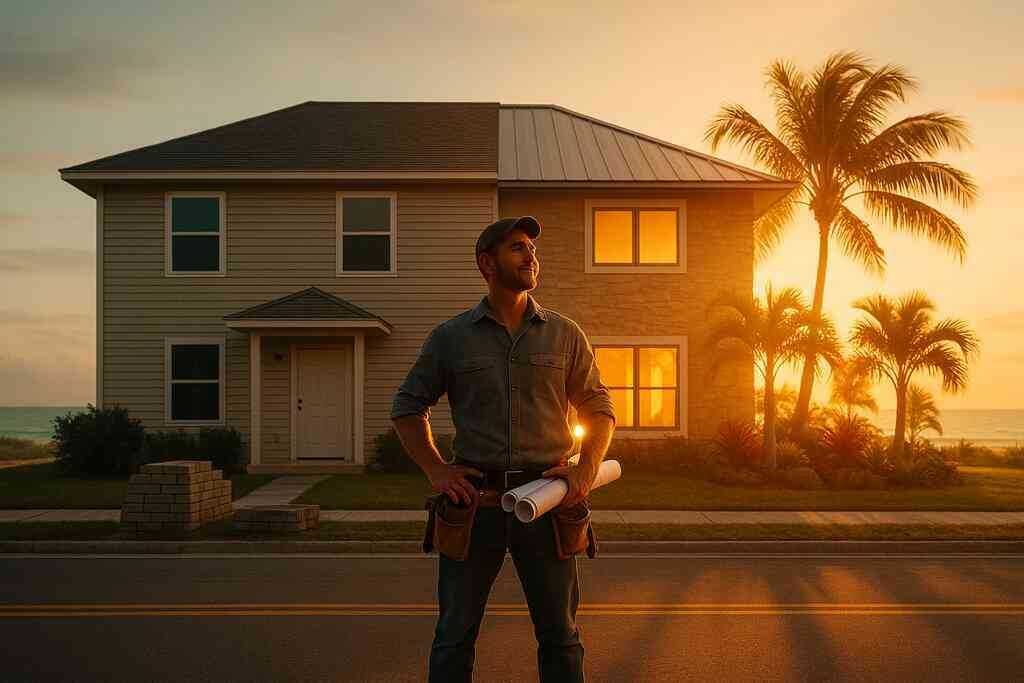
Understanding "Builder Grade" in 2025
Builder grade is the term South Florida contractors use for the lowest-cost materials and finishes that still clear the Florida Building Code. Think of it as the baseline: safe, serviceable, but focused on price and speed rather than long-term performance or design flair.
Why It Exists
- Volume builders negotiate bulk prices to keep sales prices attractive.
- Materials arrive pre-assembled or pre-finished, reducing on-site labor.
- Warranty risk remains low because items meet code, even if they wear sooner.
For buyers, the result is a home that looks complete on move-in day but begins showing age faster in South Florida’s heat, salt air, and hurricane conditions.
Where the Savings—and Tradeoffs—Hide
1. Cabinets and Countertops
Typical builder grade: particleboard boxes with thin vinyl wrap, stamped hinges, and laminate tops. Moisture can swell seams within two or three humid summers.
Upgrade impact: Stepping up to plywood boxes and quartz or solid-surface tops may add 15-20 % to kitchen material cost but can triple service life and improve resale value.
2. Windows and Exterior Doors
Typical builder grade: single-strength glass, basic impact film, standard aluminum hardware. Meets wind-load calculations but may flex, whistle, or fog after repeated storms.
Upgrade impact: Thicker laminated glass, stainless hardware, and low-e coatings boost energy efficiency, resist corrosion, and cut noise. Power bills can drop noticeably during peak summer months.
3. Roofing and Underlayment
Typical builder grade: standard architectural shingles over felt paper. Adequate for code-required uplift ratings but susceptible to UV breakdown.
Upgrade impact: Synthetic underlayment, higher-grade shingles, or metal panels extend warranty periods and help avoid costly water intrusion claims after tropical events.
4. Interior Fixtures
Typical builder grade: hollow-core doors, chrome-plated plastic faucets, and single-bulb surface lights. They function, but finishes pit or dull quickly in high humidity.
Upgrade impact: Solid doors, stainless or brass fixtures, and LED recessed lighting provide better acoustics, longer finish life, and lower maintenance.
Builder Grade vs. Custom: A Sliding Scale
South Florida contractors describe quality choices as a spectrum:
| Level | Primary Focus | Life Expectancy | Visual Variety |
|---|---|---|---|
| Builder | Lowest cost | 5–10 years before noticeable wear | Limited |
| Semi-Custom | Balanced cost and performance | 10–20 years | Moderate |
| Full Custom | Performance and aesthetics | 20 + years | Unlimited |
Labor fees often remain similar across the spectrum; material selections drive most price differences. That makes early upgrade decisions more cost-effective than post-move-in renovations, where demolition and rework inflate budgets.
Timing Your Upgrades
- Before contract signing – Negotiate structural changes: roof decking, wall insulation, plumbing layout. Altering these later is expensive.
- During construction – Confirm finish schedules: flooring, cabinetry, windows. Adding premium items now folds their cost into the mortgage at generally lower rates than personal loans or credit cards.
- After closing – Handle cosmetic swaps such as cabinet hardware, light fixtures, or paint accents. These are simple DIY or weekend projects.
Hidden Costs of Waiting
- Energy drift: Cheaper windows and insulation increase cooling loads, adding monthly expenses that never end.
- Maintenance cycles: Particleboard cabinets or laminate counters may require full replacement within a decade, doubling long-term spend.
- Resale perception: Future buyers in 2030 and beyond often walk away from homes that still show original builder-grade finishes; the discount they demand can exceed the cost of upgrading today.
How Contractors Evaluate Builder Grade in 2025
South Florida professionals look at three criteria:
- Code Compliance – All materials must satisfy 2025 Florida Building Code wind-load, impact, and energy rules.
- Climate Resilience – Salt spray, UV exposure, and hurricane cycles accelerate deterioration. Higher grades resist these stressors.
- Lifecycle Value – The best choice balances upfront cost with replacement intervals, insurance premiums, and utility savings.
Quick Checklist Before You Sign
- Request the full specification sheet, not just the decorated model tour.
- Identify which items are easiest to upgrade later (light fixtures) and which are not (windows, roof underlayment).
- Calculate operating costs, not just purchase price. A slightly higher mortgage can be cheaper than ten years of elevated electric bills.
- Ask about manufacturer warranties: some builders extend coverage when higher-quality products are installed at the factory stage.
Key Takeaways
- Builder grade is safe but minimal; it keeps prices low by prioritizing code compliance over longevity.
- South Florida’s harsh climate magnifies the drawbacks—especially for windows, roofing, and cabinets.
- Upgrading during construction delivers the best return because labor is already on-site and warranty coverage remains intact.
- Think of quality as a spectrum. Even a modest step from builder to semi-custom significantly improves comfort, energy efficiency, and resale appeal.
Making informed selections today ensures your new home feels sturdy, efficient, and stylish well past its first hurricane season.
What Is Builder Grade According to South Florida Contractors


Comments
Post a Comment