Designing Energy Efficient Homes in South Florida | 2025
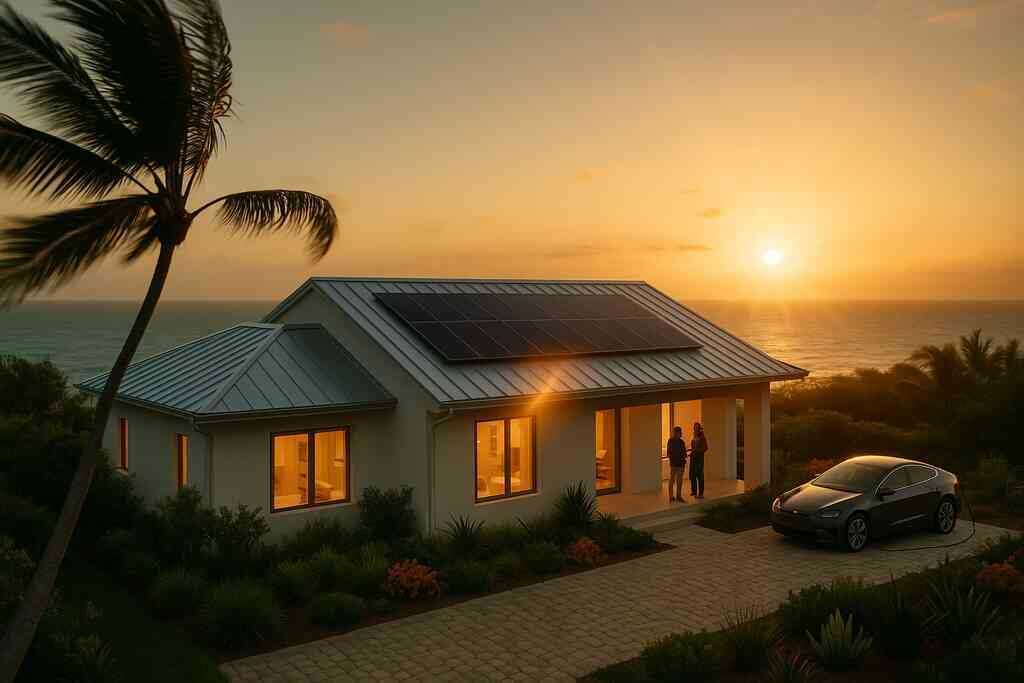
Launching a Net-Zero Mindset for Coastal Living
South Florida’s sunshine, humidity, and hurricane activity make energy efficiency more than a lifestyle choice—it is a survival strategy. This guide explains how thoughtful design and technology cut cooling loads, protect health, and boost property value, all while easing demand on an over-stressed grid.
Why Efficiency Matters in a Tropical Marine Climate
- High heat and year-round humidity mean air-conditioning runs almost nonstop. Every avoided kilowatt trims monthly bills and lengthens HVAC life.
- Salty air accelerates corrosion. Tight envelopes keep moist, salty air outdoors, protecting structural metal and electronics.
- Hurricanes create pressure shifts that can implode poorly sealed buildings. A reinforced, airtight shell doubles as storm armor.
- Utilities face peak demand on the hottest afternoons. Reducing load helps stabilize the grid during hurricane recovery periods.
- Insurance discounts often apply to hardened, energy-rated construction, improving long-term affordability.
Three Core Principles of Passive Cooling
1. Orientation and Shading
Position primary glazed areas to capture prevailing east-west breezes while limiting direct southern exposure. Combine this with:
- Deep roof overhangs or pergolas that block high summer sun but allow lower winter rays.
- Light-colored, reflective roofing that repels infrared gain.
- Native landscaping—palms, sea grapes, and gumbo-limbo—planted strategically to cool incoming air before it meets the façade.
2. High-Performance Insulation
Closed-cell spray foam provides R-value and structural rigidity. It adheres directly to roof decking and wall sheathing, creating an unbroken air seal. Benefits include:
- Up to 40 % fewer cooling BTUs required when combined with reflective roofing and low-e glazing.
- Additional racking strength that helps the structure meet stringent hurricane codes.
- Reduced risk of mold growth because humid outdoor air no longer infiltrates cavities.
3. Balanced Ventilation
Airtight construction demands a controlled fresh-air path. Energy Recovery Ventilators (ERVs) exchange stale indoor air with filtered outdoor air while transferring sensible and latent heat. Smart controls adjust airflow based on both temperature and relative humidity, maintaining comfort without wasting conditioned air.
Envelope Innovations That Withstand Wind and Heat
- Hurricane-rated insulated concrete forms (ICFs). Foam-lined concrete walls resist debris impacts and offer continuous insulation.
- Multi-point impact windows. Laminated glass panes in thermal-break frames stop solar gain and wind-borne objects alike.
- Sealed attic assemblies. By relocating ductwork into conditioned space and foaming the roof deck, attic temperatures stay within 5 °F of living areas, cutting duct losses dramatically.
- Advanced fluid-applied air barriers. These elastomeric coatings bridge gaps traditional tapes miss, preserving airtightness even after minor storm movement.
Mechanical Systems Sized for Efficiency
Once the shell blocks heat, mechanical loads shrink. That allows smaller, smarter equipment:
- Variable-speed heat pumps with SEER2 ratings above 20 ramp output up or down to match latent and sensible loads precisely.
- Dedicated dehumidifiers run during shoulder seasons when air-conditioning demand is low but humidity remains high.
- Smart thermostats monitor indoor RH and learn occupancy patterns, further trimming runtime.
- Solar-ready electrical panels make future PV installation a plug-and-play upgrade rather than a service-panel overhaul.
Renewable Power: Finishing the Net-Zero Equation
Generous sun hours mean most single-family roofs can offset annual consumption with a 6- to 8-kW photovoltaic array, provided loads are first reduced through envelope and equipment improvements. Battery storage keeps medical equipment, refrigeration, and communications powered through utility outages, which are common after landfall events.
Practical Steps for a Homeowner Retrofit Plan
- Schedule an energy audit. A blower-door test and infrared scan reveal hidden leaks, insulation voids, and duct losses.
- Prioritize air sealing. Caulk, weather-strip, or foam the identified gaps. Air tightness is the foundation of every other upgrade.
- Improve insulation and windows. Focus on the attic deck first, then walls and impact-rated glazing.
- Upgrade HVAC and ventilation. Right-size new equipment to the lower load; oversizing leads to short cycling and poor humidity control.
- Evaluate renewables and storage. Once load profiles are known, a solar professional can design a system that brings the home to net zero.
- Document improvements for incentives. Keep receipts, photos, and AHRI certificates to streamline local rebate or insurance applications.
Working With Local Specialists
South Florida’s permitting environment is strict. Collaborating with contractors experienced in both energy modeling and hurricane codes prevents costly redesigns. Look for professionals who:
- Hold active state or county licenses with no recent violations.
- Provide blower-door and duct-leakage testing as part of their scope.
- Can show past projects that merged impact resistance with net-zero targets.
- Stay current on municipal incentive programs and utility rebates.
Key Takeaways
- A well-sealed, well-insulated envelope can cut cooling loads by up to 40 % in South Florida’s climate.
- Closed-cell spray foam, impact windows, and ERVs work together to manage heat, humidity, and hurricane pressure differentials.
- Smaller, variable-speed HVAC paired with solar PV and battery storage finishes the journey to net-zero operation.
- An organized, audit-led retrofit plan prevents mis-sized equipment and maximizes each dollar invested.
South Florida’s coastal environment is demanding, yet it also offers abundant resources for passive and renewable design. By focusing first on orientation, insulation, and airtightness, homeowners and builders create resilient sanctuaries that remain comfortable, affordable, and storm-ready for decades to come.
Ultimate Guide to Energy Efficient Buildings in South Florida


Comments
Post a Comment