Essential Contractor Insights for 2025 South Florida Builds
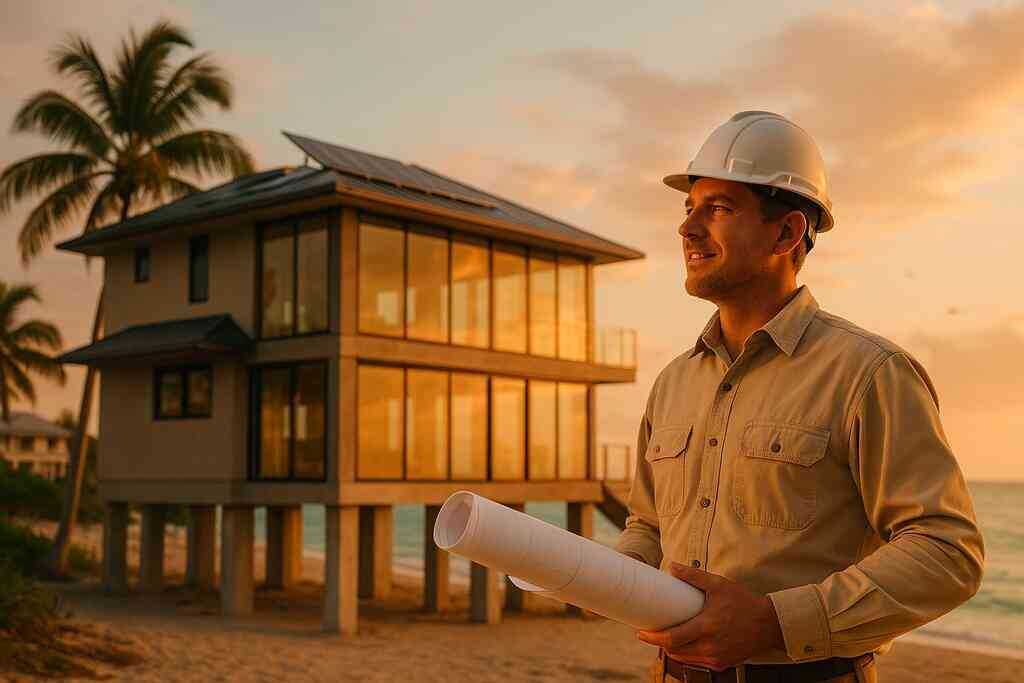
Building Smarter in South Florida
South Florida rewards bold architecture but punishes guesswork. Salt spray, hurricane winds, and tight permitting windows create challenges that differ sharply from inland projects. The five insights below come from local builders, engineers, and project managers who navigate these realities every day.
1. Coastal Jobsite Realities Start at Ground Level
Coastal lots may look flat, yet the soil profile is rarely straightforward. Organic beach deposits force crews to over-excavate or switch to helical piles. Add in tidal groundwater and even a shallow footing can become a sump.
Practical tips
- Order a geotechnical report before design development, not after. It will guide foundation type and elevation benchmarks.
- Specify stainless or hot-dipped galvanized connectors. The initial premium is lower than repeated hardware replacement.
- Budget extra for exterior coatings with high solids. UV, sand, and salt act together as sandpaper.
Getting these elements right prevents scope creep later, when change orders are costlier and schedules are tight.
2. Hurricane-Ready Design Is the New Baseline
The 2025 Florida Building Code assumes wind speeds above 180 mph in many coastal zip codes. That makes hurricane performance a design driver, not an upgrade.
Key considerations
- Roof diaphragm continuity: every truss, strap, and sheathing nail pattern is calculated to keep suction forces from peeling the lid off.
- Opening protection: impact-rated glass or shutters are mandatory, but homeowners often forget garage doors. A failed door can equal a failed house.
- Secondary water barriers: peel-and-stick membranes under the primary roof covering add minutes of labor but can save interiors during storm damage.
Insurance carriers have noticed. Many are tying premium discounts to documented compliance, so resilient detailing can pay back faster than energy upgrades.
3. Digital Directories Compress the Subcontractor Hunt
Finding licensed trades used to involve weeks of calls and recommendations. Regional contractor directories now filter by license class, insurance status, and trade specialty in seconds. For a custom home that needs framers next week and a terrazzo crew a month later, that speed is gold.
Why it matters
- Early trade input reduces redesign. Framers can flag a tough connection while plans are still flexible.
- Verified license data cuts administrative lag. Compliance officers no longer chase state databases for each subcontractor.
- Mapping tools show drive times, helping superintendents group crews geographically and trim downtime.
The result: shorter bid cycles and leaner construction calendars—exactly what lenders and owners like to see.
4. Fixed-Price Contracts Thrive on Clear Scope
Many South Florida remodels still run cost-plus, yet fixed-price agreements can stabilize financing and protect relationships—when the documents are complete.
When a lump sum works
- The plans are sealed, finishes selected, and allowances minimal.
- Permit comments have been cleared, eliminating late compliance surprises.
- The owner agrees that change orders will follow a defined protocol.
With those pieces in place, contractors can lock material pricing with suppliers and hedge against market swings in copper, glass, or asphalt. Homeowners gain predictability; builders protect margins.
5. Schedule Around South Florida’s Microclimates
Morning sun, afternoon squalls, and near-daily thunderstorms from June through September influence every trade’s start time.
Scheduling strategies
- Start early, finish early. Concrete pours should wrap by noon to avoid rapid moisture loss and pop-up storms.
- Stack interiors during wet season. Drywall, millwork, and MEP trim work proceed inside while exteriors wait for calmer weather.
- Reserve contingency days. Even the best superintendent loses time to lightning shut-downs. Buffer days keep the critical path intact.
Overlooking weather patterns is a silent budget killer. Crews sitting idle accrue hourly costs that may not be recoverable.
Takeaway
South Florida rewards proactive builders—those who treat soil reports, wind science, and digital tools as early-stage essentials. Apply the five insights above and projects in Miami-Dade, Broward, and Palm Beach gain smoother permitting, tighter budgets, and stronger homes prepared for the next Atlantic season.
Staying ahead of coastal challenges is easier when expertise, data, and planning intersect long before breaking ground.
Top 5 Contractor Insights for South Florida Homebuilders
Comments
Post a Comment