Guide to Forecasting Boynton Beach Construction Costs
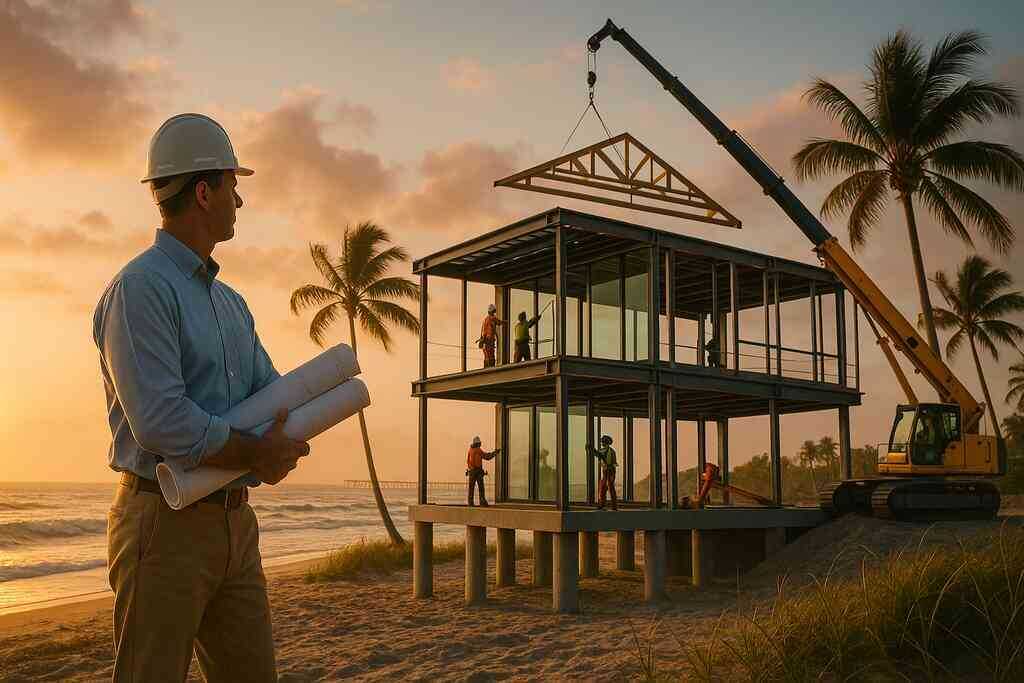
Forecasting Construction Costs in Boynton Beach
South Florida’s shoreline looks relaxed, yet budgeting for a project here is anything but laid-back. Labor rates, salt-air material upgrades, and strict hurricane codes push Boynton Beach pricing well above broad Florida averages. This overview explains how experienced contractors build realistic budgets in 2025 and what homeowners, investors, and lenders should watch for before the first demolition hammer swings.
Why Hyper-Local Cost Indexes Matter
Many owners start by browsing statewide cost charts. Those numbers are useful directionally, but they hide the small geographic surcharges that make or break a budget along the Intracoastal. Reputable builders begin with a cost index built from recent bids within Boynton Beach’s zip codes. Line items shift block by block:
- Municipal permit and impact fees
- Insurance multipliers tied to wind-borne debris zones
- Transportation surcharges for materials crossing the Intracoastal bridges
Using a local index protects the project team from sticker shock later. It also arms project managers with hard evidence when an appraiser or lender questions a seemingly high preliminary estimate.
Square-Foot Pricing on the Barrier Islands
A 2,000-square-foot inland remodel may use rule-of-thumb pricing of, for example, $200 per square foot. Bring that same scope to Ocean Avenue and the number often jumps 15–25 percent. Several hidden forces drive the gap:
- Hurricane code upgrades – Additional steel strapping, impact-rated windows, and thicker roof decking add structural cost per square foot.
- Waterfront mechanicals – Plumbing and electrical lines need corrosion-resistant piping, marine-grade fittings, and sealed outdoor panels.
- Limited staging space – Tight coastal lots force more off-site storage and just-in-time deliveries, raising handling labor.
Contractors present these premiums line by line so clients see exactly why a Boynton Beach kitchen can outprice an inland counterpart even when finishes look identical.
Seasonal Price Swings You Can Plan Around
South Florida has two invisible ‘seasons’ for construction costs: the summer humidity window and the holiday deadline rush.
Humidity and Storm Logistics (June – September)
High ambient moisture slows drywall and stucco curing. Schedules stretch, which lengthens general conditions such as site supervision and rental toilets. Crews also face frequent storm shutdowns, so builders often stockpile roofing and plywood ahead of time. That proactive purchasing ties up cash but prevents costly delays after a tropical system passes.
Holiday Finish Lines (October – December)
Families love unveiling a new kitchen before Thanksgiving. Trades know it, so overtime premiums and material mark-ups rise as the calendar fills. Savvy estimators lock commitments by midsummer, giving electricians and cabinetmakers fewer opportunities to charge holiday surcharges. Owners who miss that window should either accept a spring finish date or add a contingency of five to ten percent for seasonal labor spikes.
Watching the Material Markets
Hurricane-Rated Roofing and Impact Glass
After every named storm, demand for wind-tested shingles and laminated glass skyrockets. Prices can climb overnight when a factory halts production or port traffic backs up. Experienced estimators therefore:
- Track global commodity indices for asphalt, aluminum, and resin
- Write escalation clauses that tie future price changes to published indexes instead of vague “to be determined” notes
- Release purchase orders early and warehouse big-ticket items in climate-controlled storage
Those tactics flatten the roller-coaster and keep draw schedules predictable for both owners and lenders.
Durable Materials for Salt-Air Living
Salt crystals begin corroding untreated hardware within months. Upgrades such as stainless fasteners, fiber-cement siding, and mineral-based exterior paints cost more on day one yet prevent costly mid-life repairs. Contractors now evaluate materials through two lenses:
- Life-cycle cost – What will the component cost to replace, including demolition and disposal, before the mortgage is paid off?
- Carbon footprint over 30 years – Durable products often carry lower embodied carbon because they avoid repeated manufacturing and transport.
An owner focused on long-term value usually accepts a higher initial bid in exchange for fewer maintenance calls and a sturdier appraisal.
Labor Market Reality Check
South Florida draws a deep talent pool, but specialty trades familiar with high-velocity wind zones remain in short supply. Electricians who regularly rough-in backup generators and roofers certified for 180-mph underlayment install faster and with fewer callbacks. They also command premium hourly rates.
Contractors budget these rates rather than chasing the lowest bid, because fixing failed waterproofing or mis-installed shutters after a storm costs far more than paying the right crew up front.
Practical Tips for Owners Budgeting in 2025
- Request a hyper-local benchmark sheet showing three recent projects within five miles of your address.
- Ask how wind-zone requirements change structural, glazing, and mechanical allowances.
- Review the schedule against seasonal risk. Is the critical path heavy on exterior work during peak storm months? Are there realistic buffer days?
- Seek material escalation language that references published indexes. This keeps potential change orders objective, not arbitrary.
- Set aside at least ten percent contingency for remodels involving structural openings—hidden corrosion behind stucco is common near the ocean.
The Bottom Line
Forecasting Boynton Beach construction costs is a data-driven, hyper-local exercise. Builders start with neighborhood bid histories, layer on wind-zone engineering, and time their material purchases around both weather patterns and global supply swings. Homeowners who understand these variables enter contracts with realistic expectations, sturdier financing packages, and far fewer surprises once work begins.
A clear, well-structured estimate is more than a price tag; it is a roadmap that steers a project through South Florida’s unique climate, regulatory pressures, and market cycles—ultimately protecting both property value and peace of mind.
How South Florida Contractors Forecast Boynton Beach Costs


Comments
Post a Comment