Net-Zero Construction: What It Means for South Florida Pros
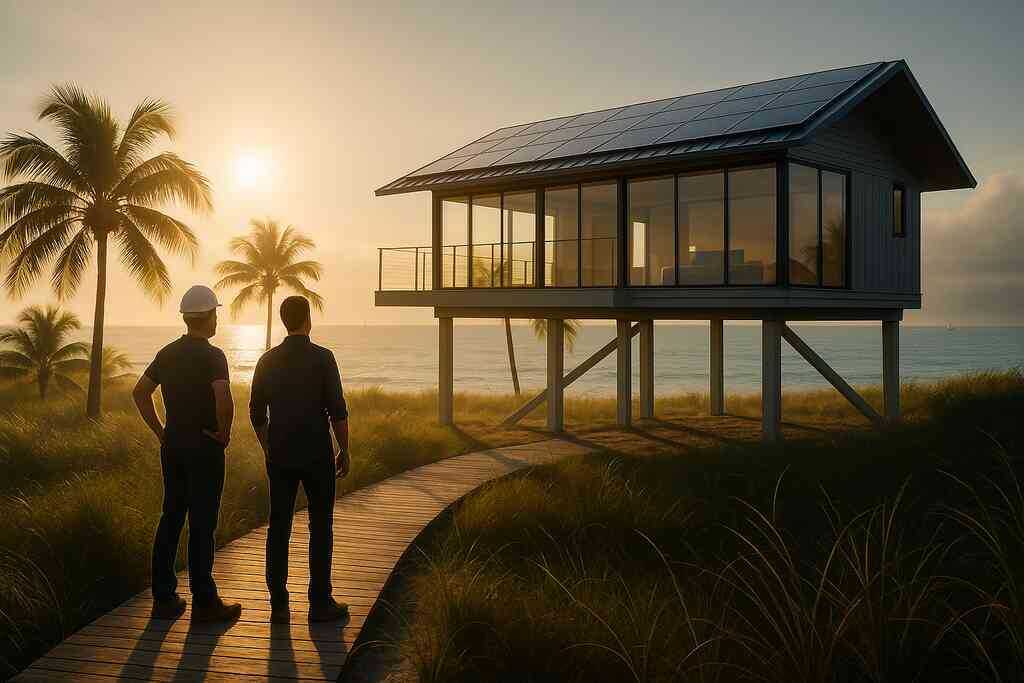
Net-Zero Construction in 2025
South Florida contractors now sit at the front line of the climate conversation. Rising insurance premiums, longer heat waves, and codes that tighten every three years are shifting the definition of a successful project. Schedule and budget still matter, yet owners also expect buildings that approach net-zero energy and withstand hurricanes without major repairs.
This overview breaks down why the shift is happening, how it reshapes day-to-day decisions on site, and the practical steps local builders, remodelers, and trade partners can take to stay competitive.
1. Every Job Site Is a Climate Stakeholder
Coastal humidity and relentless sunshine create energy costs that can dwarf a mortgage over a 30-year term. When a plumber specifies a heat-pump water heater or an electrician designs a solar-ready panel schedule, those choices lock in carbon and cash impacts for decades. That makes every subcontractor a stakeholder in lifetime building performance.
Key actions happening on South Florida sites today:
- Framing crews detail sill plates with two beads of sealant to hit blower-door targets.
- Concrete suppliers offer mix designs with 20-30 % supplementary cementitious materials to cut embodied carbon.
- Demolition teams separate metal, drywall, and clean wood for recycling instead of tossing everything into a single dumpster.
The project manager who understands these touches can speak confidently to architects and owners, strengthening trust while avoiding late-stage redesigns.
2. Market Signals You Can’t Ignore
Luxury buyers in Boca Raton still love marble counters, yet they now ask for induction cooktops and low-E glass in the same breath. Lenders follow suit, bundling efficiency upgrades into preferred mortgage products. Appraisers are finally crediting tight envelopes, which means a blower-door score can raise resale value just like a new pool once did.
What this means for contractors:
- Performance upgrades move from swaps to standard scope. If you do not price a heat-pump HVAC option, someone else will.
- Documentation matters. A short commissioning report or HERS rating can turn a satisfied client into a vocal advocate at the yacht club.
- Marketing budget shifts from glossy project photos to case studies that show kilowatt-hour savings.
3. Resilience and Efficiency—Two Sides of the Same Coin
Hurricane readiness used to focus on shutters and straps. In 2025, resilient design also includes continuous exterior insulation, high-R impact windows, and cool roofing membranes. The same assembly that stops wind-driven rain also lowers peak cooling load, which means smaller generators and smaller battery banks.
Pairing rooftop solar with a 10–20 kWh storage system now fits neatly into many remodel budgets. The upside is threefold:
- Owners ride out outages in relative comfort.
- Lower peak demand helps the grid recover faster after storms.
- Insurance carriers may offer premium discounts for projects with documented resilience measures.
4. The Business Case for Net-Zero Builders
Margins in residential construction remain tight, yet firms that can guarantee operating cost savings command healthier mark-ups. A clear cost-of-ownership worksheet often shows that a modest mortgage increase is canceled out by lower energy bills on day one.
Additional revenue levers include:
- Federal and state tax incentives for solar, storage, and efficient equipment.
- Utility rebates for envelope upgrades that hit specific kWh reduction thresholds.
- Commercial demand from schools, resorts, and health systems chasing organizational carbon goals.
Early adopters also insulate themselves from commodity price races to the bottom. Clients hire them for expertise, not the lowest dollar per square foot.
5. Navigating Florida’s Evolving Codes
The latest Florida Energy Conservation Code tightens air-leakage limits and requires mechanical ventilation on nearly every occupancy. Inspectors may ask for photographic evidence of sealant behind electrical boxes or request on-site blower-door confirmation before drywall goes up.
To avoid delays:
- Host a short tailgate talk with each trade before rough-in begins.
- Use a single point of responsibility—often the superintendent—to sign off on every penetration through the air barrier.
- Track upcoming code amendments at least one cycle ahead so you can budget appropriately.
Remember, demonstrating competence in code compliance is a sales tool. Owners worry about future retrofit costs; you can show them you have it covered.
6. Quick-Start Checklist for Contractors
Audit Your Standard Specs
- Swap any remaining incandescent or halogen fixtures for LED.
- List heat-pump alternatives for water heating and space conditioning.
Train the Field Crew
- A one-hour session on proper tape application at sheathing joints pays for itself the first time you pass a blower-door test on the first attempt.
Build a Preferred Vendor List
- Include suppliers who can provide Environmental Product Declarations (EPDs) or low-carbon mix designs.
Offer a Solar-Ready Package
- Even if owners delay panels, running conduit and upsizing roof framing today saves thousands later.
Document and Share
- Collect before-and-after utility bills with permission. Nothing sells like proof.
7. Looking Ahead
Net-zero goals may feel ambitious, yet the trend lines are clear: stricter codes, discerning clients, and an insurance market punishing outdated construction. Contractors who invest in building-science literacy and forge partnerships with energy modelers will not just survive; they will lead the next era of coastal construction.
The South Florida climate rewards those who respect it. By embracing high-performance envelopes, efficient systems, and resilient power strategies, local builders can deliver projects that stay cool, dry, and valuable—no matter what the forecast holds.
What Does Net Zero Mean for South Florida Contractors


Comments
Post a Comment