South Florida Building Market: Contractors, Codes & Trends
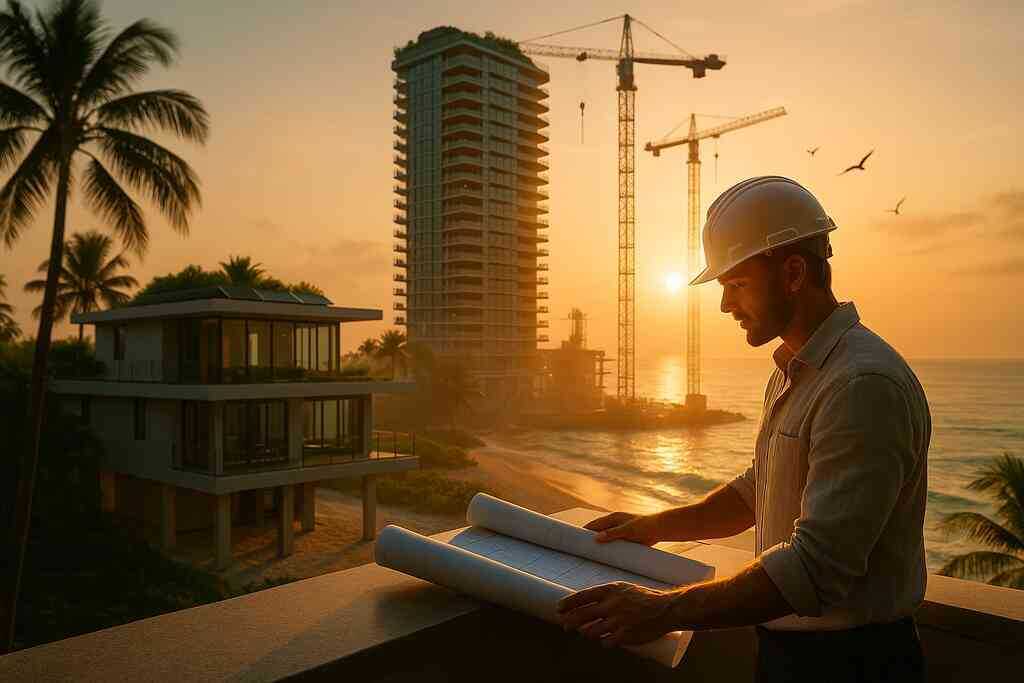
South Florida’s Construction Landscape at a Glance
South Florida’s building market continues to surge, fueled by population growth, high-end tourism, and year-round demand for lifestyle upgrades. From custom waterfront estates to adaptive reuse in urban corridors, the region challenges builders to balance speed, resilience, and design flair. This overview breaks down the forces shaping the market, how residents locate a reliable South Florida contractor, and the regulations every project team must respect in 2025.
The Modern Way to Find a Contractor Near You
The days of scrolling through unverified search results or chasing voicemail tags are fading. Regional contractor directories now act as virtual storefronts, giving homeowners and developers an instant snapshot of licensed and insured professionals.
Key advantages of a vetted directory:
- Zip-code accuracy lets users filter by neighborhood, reducing travel charges and wait times.
- Credential transparency displays state licenses, insurance certificates, and specialties side-by-side.
- Portfolio galleries help clients gauge craftsmanship without scheduling multiple site visits.
- Real-time contact buttons route inquiries directly to the office, trimming days from the typical outreach cycle.
Because the directory screens for minimum compliance, a contractor in South Florida gains warmer leads while property owners cut the risk of hiring unqualified crews. The result is a leaner, more predictable pre-construction stage.
A Snapshot of the Development Pipeline
Boca Raton: Luxury Remodels on a Fast Clock
Boca Raton’s high-net-worth residents rarely wait for trends to trickle down from design magazines. They expect top-tier finishes, coastal durability, and discreet crews that respect gated-community rules. General contractors report continued demand for:
- Whole-home smart lighting retrofits
- Outdoor kitchens that rival indoor chef suites
- Structural improvements to raise existing floor levels against future flood projections
Aggressive scheduling is the norm. Designers and trades meet weekly to reconcile custom millwork lead times with strict HOA guidelines, keeping renovation timelines on track.
West Palm Beach: Adaptive Reuse Takes Center Stage
Thirty minutes north, West Palm Beach is converting aging warehouses into mixed-use lofts. Developers emphasize walkability, ground-floor retail, and rooftop amenities that capture skyline views. Concrete pours at sunrise segue into glass-rail installations by dusk. Permit offices remain swamped, but seasoned South Florida general contractor teams mitigate delays by pre-filing impact studies and trade affidavits well before demolition starts.
Lifestyle Upgrades in Boynton Beach and Beyond
Farther up the coast, remodelers point to a spike in requests for pool deck resurfacing, pergola shading, and artificial-turf play areas. The common thread is outdoor living tailored to a subtropical climate: slip-resistant finishes, integrated drainage, and UV-stable materials that keep backyards comfortable even when heat indexes soar.
Climate-Adaptive Architecture Moves From Trend to Baseline
Rising sea levels, salt intrusion, and 175-mph wind zones make resilience non-negotiable.
Hallmarks of the 2025 Climate-Smart Home
- Elevated slabs or pier foundations that clear projected flood elevations by at least one foot.
- Miami-Dade impact windows rated for large-missile debris, complete with stainless-steel anchoring systems.
- Hurricane-rated roofing that exceeds code-minimum uplift resistance.
- Corrosion-resistant fasteners and hardware to slow salt-air degradation.
- Passive cooling orientation so prevailing breezes reduce HVAC loads.
- Solar-ready conduits and battery backup spaces sized for future installs.
Many builders now bundle these features into standard spec sheets rather than premium upgrades. Clients view them as necessary risk management, and insurers often reward compliant homes with lower premiums.
Navigating Florida’s Regulatory Currents
Miami-Dade Impact Window Requirements in Plain English
Local code officials enforce some of the strictest glazing standards in the nation. To pass inspection, a window assembly must survive:
- Small-missile tests (fired steel balls) for inland exposure zones.
- Large-missile tests (two-by-four lumber shot at 50 feet per second) for coastal or high-velocity wind areas.
- Cyclic pressure loading that mimics hurricane gusts against both faces of the glass.
Submittal packages include laboratory reports, product approval sheets, and anchoring diagrams. A misfiled document can halt drywall installation for weeks, so experienced contractors build extra review time into the critical path schedule.
Permitting Tips That Save Time
- Start with a complete digital set: structural, MEP, energy calculations, and truss engineering.
- Verify flood-zone elevations before foundation design to avoid mid-review revisions.
- Batch trade permits whenever possible so inspections can be grouped, reducing call-out fees and project downtime.
Budget Trends: What Owners Should Expect in 2025
Material pricing has stabilized compared to the volatility of recent years, yet labor remains tight. On average:
- Full-home luxury renovations run between $250 and $400 per finished square foot, depending on coastal exposure and designer selections.
- Impact window replacements average $65 to $85 per square foot of opening, installed.
- Outdoor living additions (pool, decking, kitchen, shade structure) start near $150,000 and scale quickly with custom stone and appliances.
Transparent cost frameworks help align expectations early, reducing the scope creep that so often plagues South Florida projects.
Working Effectively With a South Florida General Contractor
- Define priorities first. Is wind resistance more important than imported tile? Clear guidance controls budget migrations.
- Request a milestone schedule. Key dates for permits, rough inspections, and finish deliveries keep every party accountable.
- Embrace change-order discipline. Formal paperwork protects timelines and clarifies cost adders before work proceeds.
- Plan for weather contingencies. Afternoon thunderstorms can derail exterior work; smart builders buffer float days during the rainy season.
Final Thoughts
South Florida offers one of the nation’s most dynamic construction arenas. Robust demand, strict codes, and an unforgiving climate require an integrated approach—from directory-based contractor selection to climate-adaptive design and meticulous permitting. By understanding the factors outlined in this guide, property owners and industry professionals can navigate the market with confidence and deliver projects that stand strong against both hurricanes and shifting economic tides.
Exploring the Intricacies of South Florida's Building Market


Comments
Post a Comment