South Florida Contractor Dynamics: Homeowner Guide 2025
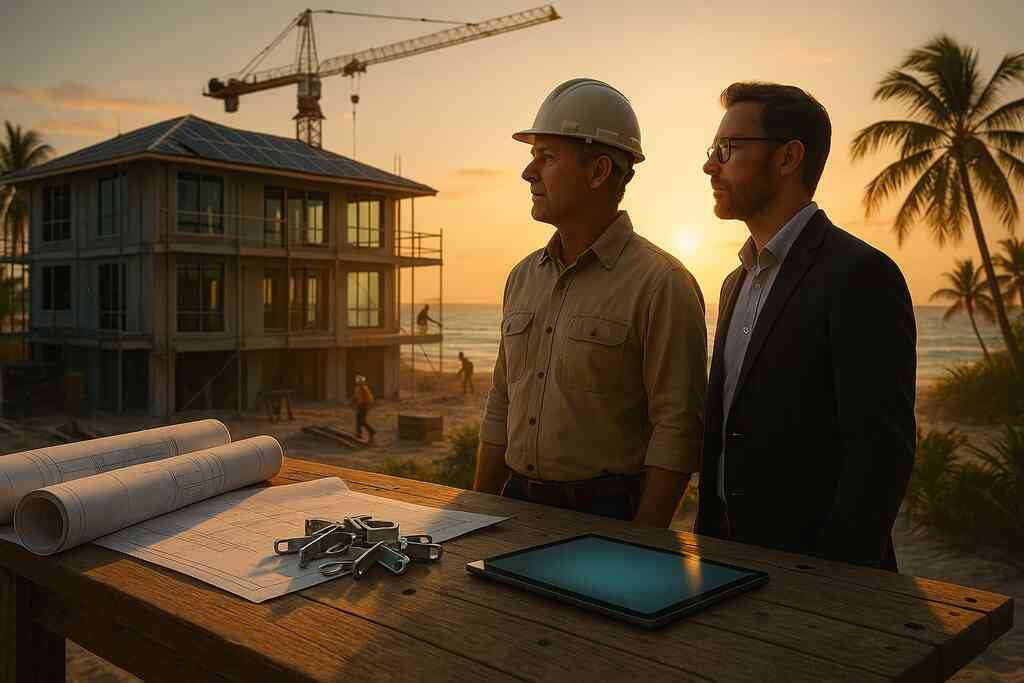
Why Contractor Dynamics Matter in South Florida
Construction in South Florida is unlike anywhere else in the country. Tight hurricane-resistant codes, rapid population growth, and limited buildable land all converge on every project, from a modest bathroom update to a 40-story condo tower. Understanding how local contractors navigate these pressures helps homeowners plan realistic budgets, avoid delays, and protect property value.
This guide breaks down current market forces, collaboration best practices, and seasonal timing tips so you can approach any 2025 renovation or new build with confidence.
The Shifting Landscape of General Contractors
Population growth and vertical builds
South Florida municipalities keep approving high-density projects because vacant lots are scarce. General contractors now specialize in vertical construction techniques, heavy structural work in tight footprints, and complex logistics for downtown sites. Even single-family remodelers feel the squeeze as skilled labor shifts toward high-rise developments, raising hourly rates across the region.
Code compliance and hurricane readiness
Building departments in Miami-Dade, Broward, and Palm Beach counties continue to update wind-load and flood-zone requirements. Reputable general contractors in South Florida invest in continuing education and detailed documentation so plans clear review on the first pass. Faster approvals mean fewer rental extension costs for homeowners waiting to move back in.
Technology adoption
Digital project management platforms are no longer optional. Cloud-based schedule trackers, photo logs, and e-signature change orders allow teams to collaborate in real time. Homeowners gain transparent visibility into progress and spending, while contractors cut lost time hunting for paperwork.
Collaboration: From Transactional to Strategic Partnership
Successful projects are built on proactive communication, not just signed contracts. Below are practical steps for homeowners and pros to stay aligned.
Write a crystal-clear scope
- Detail every finish, from cabinet door style to outlet cover color.
- List all allowances so overruns do not become surprises.
- Include labor for permit revisions, debris removal, and final cleaning—items often glossed over in smaller proposals.
Vet credentials thoroughly
- Confirm active state license and matching corporate name.
- Request certificates of insurance naming the homeowner as additional insured.
- Review at least three completed projects with hurricane-rated windows or roofing similar to yours.
Establish a communication rhythm
- Hold a kickoff meeting with the GC, lead carpenter, and key subcontractors.
- Schedule weekly site walks or video calls with a shared punch-list app.
- Document every decision in writing—text string, email, or change order—to preserve clarity if disputes arise.
Pre-define change-order procedures
- Agree on markup percentage before demolition starts.
- Require written approval for any cost or scope shift.
- Set a maximum cumulative contingency so the budget stays in check even if minor issues pile up.
Timing Your Project for Maximum Efficiency
Winter: The sweet spot for exterior work
Milder temperatures mean stucco cures without hairline cracks, driveway pavers set evenly, and roofing crews avoid heat-stroke breaks. Suppliers also tend to discount patio slabs, decking, and HVAC equipment during the post-holiday lull.
Summer: Interior focus and condo rules
Rain and the threat of tropical storms push many contractors indoors. High-rise associations often restrict noisy tasks to May–September when seasonal residents head north. Plan interior renovations accordingly, and remember elevator reservations and loading dock schedules fill quickly.
Ordering materials early
Global supply chains are more stable than in past years, yet lead times for custom cabinets, impact glass, and European fixtures still stretch 10–16 weeks. Lock in selections before demolition begins to keep crews productive instead of waiting.
Spotlight on Regional Hubs
Boca Raton: Luxury meets strict wind code
Homeowners in coastal zip codes demand high-end finishes and flawless fit-and-finish, but local inspectors focus first on structure and fastening schedules. Leading remodelers assign a dedicated liaison who balances both priorities. Their material logistics teams often place international orders months early to guarantee on-time delivery of Italian tile or German appliances.
Fort Lauderdale: Adaptive reuse and marina builds
With limited vacant land, many builders convert old warehouses into modern lofts or repair seawall-anchored properties. Contractors here excel at permitting variances, addressing salt-spray corrosion, and coordinating with marine engineers for dock additions.
West Palm Beach: Historic charm and elevation upgrades
Historic districts require sympathetic restorations while meeting today’s flood elevations. GC teams experienced with the local Historic Preservation Board prepare dual plan sets: one for aesthetic review, one for structural code. This dual approach avoids re-submittals that can stall a project for weeks.
Budgeting Realities in 2025
- Skilled labor rates rose about 6–8 % region-wide due to ongoing shortages.
- Impact-rated window packages start near $55 per square foot installed, depending on design pressure ratings.
- Concrete and rebar remain volatile, so smart contracts include an escalation clause tied to published commodity indices.
A tiered specification outline—entry, midrange, premium—helps homeowners weigh where splurges deliver the most resale value. For example, investing in a high-SEER ducted mini-split system often yields faster payback than exotic countertop materials.
Practical Checklist Before You Sign
- Verify license, insurance, and lien release process.
- Require a detailed schedule identifying long-lead items.
- Hold a pre-construction meeting with neighbors if access or noise may affect them.
- Confirm payment schedule aligns with completed milestones, not calendar dates.
- Store all documents—including daily photo logs—in one cloud folder accessible to both parties.
Looking Ahead
South Florida contractor dynamics will keep evolving as codes tighten, land prices rise, and smart-home technology becomes standard. Homeowners who treat builders as strategic partners, plan for realistic timelines, and insist on transparent documentation will see smoother projects and stronger long-term value.
By applying the insights in this guide—clear scopes, vetted credentials, seasonal timing, and proactive communication—you can move from nervous client to informed collaborator. The result is a finished space ready to withstand 2025’s storms, welcome guests in style, and reward your investment for years to come.
Understanding Contractor Dynamics with South Florida Leaders


Comments
Post a Comment