South Florida HVAC Innovations: Energy-Smart Cooling Guide
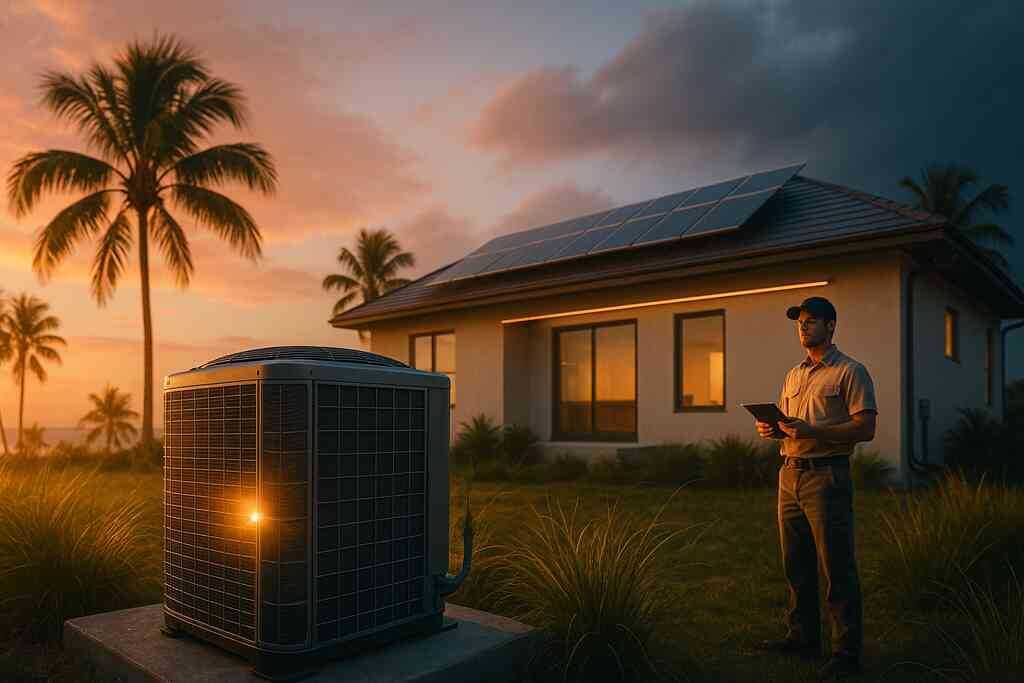
Exploring Next-Generation HVAC for South Florida Homes
South Florida’s heat and humidity are legendary. Designing an air-conditioning system that survives salt air, sudden downpours, and relentless moisture is an engineering challenge. This guide explains how modern HVAC technology answers that challenge and what homeowners, builders, and remodelers need to know in 2025.
Why the Region Pushes HVAC Design Forward
Walking outside in midsummer feels like stepping into warm fog. Temperatures climb past 90 °F and relative humidity often hovers near 70 percent. In these conditions, three issues dominate HVAC planning:
- Rapid heat removal – Indoor temperatures must drop quickly when doors open to the patio.
- Precise dehumidification – Mold thrives when indoor humidity stays above 60 percent for long stretches.
- Corrosion resistance – Coastal salt spray can eat through unprotected coils within a few seasons.
Innovations focus on those pain points. Variable-speed compressors throttle output in tiny increments, matching sensible and latent loads minute by minute. Epoxy-coated condenser fins, stainless-steel fasteners, and elevated equipment pads help equipment survive coastal storms and king-tide flooding.
Tracking the Efficiency Climb
Seasonal Energy Efficiency Ratio (SEER) measures cooling output per watt consumed over an average season. Early central systems in this region stumbled along at SEER 8-10. Modern split heat pumps now reach SEER2 ratings above 20 while also providing heat on rare chilly nights. Three advances made the difference:
- High-density microchannel coils – More heat transfer surface in a smaller footprint.
- Electronically commutated (ECM) fan motors – Lower watt draw and better static-pressure performance.
- Predictive control algorithms – Boards that read outdoor temperature, indoor humidity, and even local weather forecasts to adjust staging before discomfort appears.
Homeowners feel the impact as smoother temperatures, shorter run times, and electric bills trimmed by 30 percent or more compared with legacy equipment of the same tonnage.
Humidity: The Invisible Energy Hog
Cooling air from 78 °F to 74 °F requires far less energy than wringing two or three grains of moisture per pound out of that air. South Florida homes therefore need equipment that treats moisture as seriously as temperature. Key upgrades include:
- Dedicated dehumidification modes – Some inverter systems slow the blower while ramping the compressor to pull additional moisture without over-cooling the space.
- Whole-home ventilating dehumidifiers – These tie into return ductwork and add a small amount of fresh air while maintaining dew point.
- Smart thermostats with humidistats – Occupants set a humidity target the same way they set temperature.
The payoff is fewer musty odors, longer life for paint and drywall, and less dust-mite activity—a health win for anyone with asthma or allergies.
Hurricane-Ready Mechanical Rooms
From June through November, HVAC gear faces wind-blown debris, voltage spikes, and potential flooding. Today’s storm-responsive designs often include:
- Wind-rated condenser cages secured to reinforced slabs.
- Surge-protection devices inside the disconnect box and electrical panel.
- Elevated air-handler stands in first-floor closets or garages to stay above flood line.
- Automatic shutoff sensors that disable the system if condensate pans fill beyond safe limits.
During an approaching storm, some smart systems even pre-cool the home to 70 °F. If the grid fails afterward, interior temperatures climb more slowly, buying several comfortable hours while generators or battery backups engage.
Builders as Catalysts for Change
Custom and production builders influence HVAC performance long before drywall goes up. When mechanical contractors join design meetings early, three things usually improve:
- Duct layout – Fewer sharp turns and properly sized return paths reduce static pressure, letting smaller blowers move the same air.
- Equipment placement – Condensers moved away from pool heaters and direct sun gain capacity; air handlers located in conditioned spaces avoid attic heat soak.
- Envelope integrity – Better sealing means smaller loads, allowing builders to spec a two-ton inverter instead of a three-ton single-stage unit.
Energy-rating programs reward these choices with higher Home Energy Rating System (HERS) scores, boosting resale appeal and justifying incremental construction cost.
Materials Built for the Coast
Hardware upgrades may look minor on a parts list, yet they decide whether a system lasts five years or fifteen:
- Copper-nickel evaporator coils resist formicary corrosion.
- Powder-coated cabinet panels shield steel from salt spray.
- UV-resistant insulation on refrigerant lines stops premature cracking.
- Antimicrobial drain pans discourage biofilm growth that can clog lines and trigger odors.
Selecting these components during a remodel protects the larger investment in drywall, flooring, and finishes.
Smart Controls: Beyond the Thermostat
A modern control board is closer to a tiny weather station than a simple switch. Popular features include:
- Cloud-linked analytics that compare today’s runtime against historical averages and send maintenance alerts when efficiency drifts.
- Time-of-use responsiveness that precools during off-peak rates, easing the load when electricity is most expensive.
- Occupancy sensing via motion detectors or smartphone geofencing so the system idles when everyone is out and ramps up before anyone returns.
Because data flows both ways, HVAC contractors can diagnose performance remotely, reducing emergency service visits and downtime.
Practical Tips for Homeowners in 2025
- Request a Manual J load calculation before replacing any system; square-footage rules of thumb almost always oversize equipment.
- Verify that proposed equipment carries a SEER2 rating of at least 18 and an Energy Star label.
- In salt-spray zones within three miles of the coast, insist on coated coils and stainless hardware.
- Pair new systems with a high-MERV pleated filter and keep spare filters on hand; airflow restriction undermines even the best design.
- Schedule a preseason tune-up each spring that includes coil washing, refrigerant charge verification, and float-switch testing.
Looking Ahead
Research labs are testing heat pumps that use advanced refrigerants with ultra-low global-warming potential, alongside photovoltaic-powered condensers that could run partially off their own solar panels. For now, variable-speed compressors, intelligent controls, and hurricane-hardening strategies represent the most accessible path to comfort and savings in South Florida’s punishing climate.
Understanding these innovations empowers homeowners and builders alike to make informed choices. Equipped with the right system, a South Florida home can stay calm, dry, and energy-efficient—no matter how hot the afternoon or how fierce the storm outside.
The Ultimate Review of South Florida HVAC Innovations


Comments
Post a Comment