Builder Grade vs Custom Homes: Guide for South Florida Buyers
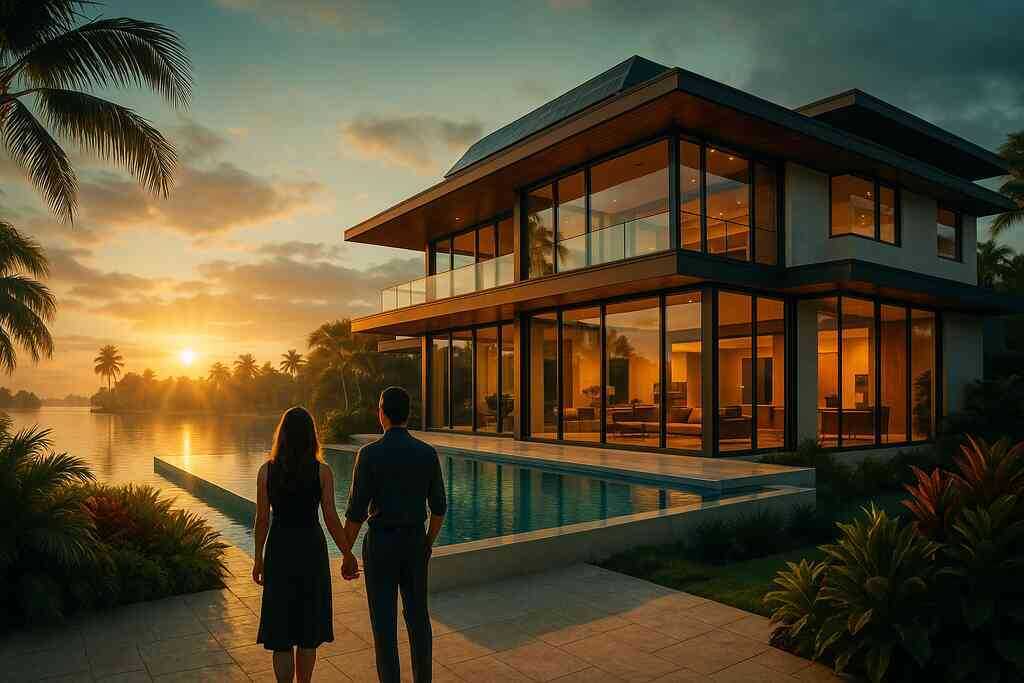
Builder Grade vs. Custom Homes in South Florida
South Florida contractors often present two clear paths: a builder grade package or a fully custom home. Both can look similar on a glossy brochure, yet they differ sharply in materials, longevity, and design freedom. This guide walks through the practical trade-offs so you can choose the right fit for coastal living in 2026.
What “Builder Grade” Really Means
Builder grade is shorthand for mass-produced components selected to meet code at the lowest acceptable cost.
- Prefabricated trusses and commodity windows arrive on site ready to install.
- Interior finishes—standard tile, hollow-core doors, laminate counters—speed up construction but rarely account for salt spray or intense UV.
- Mechanical systems meet minimum efficiency ratings but seldom exceed them.
In a mild climate these choices may last a decade or more. South Florida’s heat, humidity, and wind load shorten that timeline. Roof shingles with light coastal ratings fade quickly, galvanized fasteners rust, and low-grade stucco can hairline crack after the first rainy season. The home is still safe, yet maintenance starts sooner and personalization is limited to surface décor.
Hidden Costs Over Time
- Roof Replacement – Cheaper asphalt may need a full tear-off in as little as 10 years.
- Window Upgrades – Non-impact sliders require shutters or panels, adding storage headaches and annual installation fees.
- Energy Bills – Minimal insulation and builder grade HVAC struggle against tropical heat, pushing monthly costs higher.
- Resale Value – Future buyers along the Intracoastal increasingly expect hurricane glass, higher ceilings, and smart wiring. Retrofits are pricier than including them up front.
The Custom Home Alternative
Custom construction turns the process around: lifestyle first, specifications second. A design team studies your lot’s wind exposure, sun path, and elevation before a single line is drawn.
Key Advantages
- Material Freedom – From marine-grade stainless hardware to limestone floors quarried for slip resistance, selections target the coastal environment.
- Structural Flexibility – Want a glass bridge or a cantilevered balcony? Engineers can shape the frame to match the vision while meeting current hurricane codes.
- Long-Term Efficiency – Spray-foam insulation, high-SEER variable-speed HVAC, and low-emissivity impact glazing combine to lower cooling loads.
- Personalized Flow – Ceiling heights, window wall placement, and even garage orientation revolve around how you entertain, store gear, and enjoy sunsets.
A custom build often costs more per square foot, yet many expenses shift from future repairs into front-loaded quality. Impact glass, for example, reduces insurance premiums each year, offsetting part of the initial outlay.
Code Evolution and Coastal Resilience
Florida’s hurricane standard is a moving target. Uplift connectors, wind-borne debris requirements, and flood-zone electrical rules tighten every few years. Production builders adopt changes when the code requires them. Custom teams frequently incorporate the next revision early, viewing resilience as a design feature.
Roof Assemblies
- Secondary Water Barriers – A self-adhered membrane beneath tile or metal forms the last line of defense against wind-driven rain.
- Steel Straps and Clips – Tying rafters to walls and walls to foundations creates a continuous load path that resists uplift.
- Ventilation Strategy – Balanced intake and exhaust prevent moisture buildup without compromising impact resistance.
Elevation and Drainage
Custom architects examine neighborhood flood maps, then raise finished floor heights, engineer proper grading, and specify backflow prevention. These details reduce the chance of storm surge entering living spaces—critical for barrier-island lots.
Foundations, Driveways, and Other Overlooked Details
A slab poured at 2,500 psi passes inspection, yet a 4,000 psi mix with fiber reinforcement shrugs off delivery trucks and shifting soils. Similar thinking applies to:
- Pavers vs. Plain Concrete – Interlocking pavers allow easier spot repairs after heavy equipment leaves rust stains.
- Rebar Placement – Correct spacing and cover depth fight corrosion from salt-laden groundwater.
- Control Joints – Properly tooled joints guide inevitable cracking, keeping surfaces even.
Production sites often standardize these elements for speed. A custom crew evaluates soil reports and tailors the recipe.
Budgeting: Beyond Price per Square Foot
Comparing a $250 per-foot builder grade quote to a $450 custom estimate can feel jarring. Consider the whole picture:
| Category | Builder Grade | Custom |
|---|---|---|
| Upfront Cost | Lower | Higher |
| Personalization | Limited to finishes | Full architectural control |
| Expected Maintenance (10 yrs) | High | Moderate |
| Insurance Credits | Few | Significant for impact glass, roof upgrades |
| Resale Appeal | Standard | Premium |
When maintenance, energy, and insurance are added to the spreadsheet, the cost gap narrows—especially for homeowners planning to hold the property longer than five years.
Choosing the Right South Florida Contractor
- Check License and Insurance – Verify state license status and confirm general liability limits match project size.
- Ask About Coastal Experience – Builders who routinely work from Jupiter to Miami understand salt corrosion, king tides, and wind exposure.
- Review Spec Sheets Line by Line – Insist on itemized materials, from fasteners to window ratings, before signing.
- Tour Finished Homes – See how products have aged. Pay attention to door alignment, caulk lines, and roof edges.
- Evaluate Communication Style – Custom work requires ongoing decisions. A builder who explains options clearly saves headaches later.
Final Thoughts
Both pathways—builder grade and custom—can produce safe, attractive homes, but the coastal climate punishes shortcuts. For first-time buyers watching the budget, a well-chosen production model can work if upgrades like impact glazing and roof enhancements are negotiated early. For those seeking a legacy property or a statement of personal style, true custom construction delivers durability, efficiency, and daily enjoyment that commodity plans rarely match.
Weigh the long-term maintenance curve, insurance savings, and the satisfaction of living in a space designed around your routines. The right South Florida contractor will translate those priorities into a home that stands firm against sun, salt, and storm for decades to come.
Builder Grade Or Custom Homes With South Florida Contractors


Comments
Post a Comment