Five Essential HVAC Fixes South Florida Homeowners Need
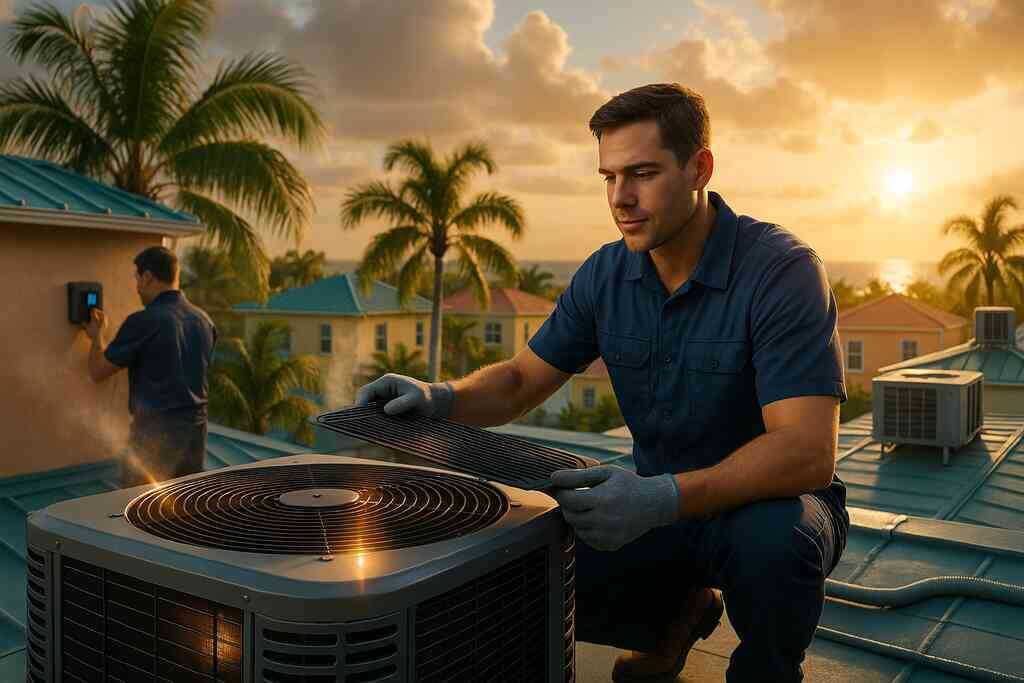
Staying Cool in South Florida’s Heat
South Florida’s tropical climate puts any air-conditioning system under constant strain. High humidity, long cooling seasons, and salt-laden coastal air all shorten equipment life if small issues are ignored. This guide walks through five practical HVAC fixes local contractors tackle every day. Each one protects comfort, lowers energy costs, and helps a system survive the region’s relentless heat.
1. Precise Thermostat Calibration
The quickest way to waste electricity is letting a thermostat misread the room by even two degrees. Professional calibration verifies three points:
- Sensor accuracy – Contractors compare the displayed temperature against a high-grade digital reference meter.
- Wiring integrity – Loose, corroded, or incorrectly landed wires can send bad signals to the air handler.
- Control board response – Modern thermostats communicate with circuit boards; confirming correct voltage prevents erratic starts.
A correctly calibrated thermostat shortens run times, smooths cycling, and keeps humidity closer to the recommended 50–55 percent range. Many contractors pair calibration with a fresh air-filter change because clogged filters skew temperature readings and airflow.
2. Smart Thermostat Upgrades
Once the existing thermostat is dialed in, a smart model adds brainpower. Popular benefits include:
- Adaptive scheduling that learns when occupants come and go.
- Remote adjustments through a phone app, useful for weekend trips or late workdays.
- Humidity optimization that lowers fan speed at night to wring extra moisture from the air.
- Maintenance alerts that count compressor cycles and notify the homeowner when service is due.
Installation is more than swapping wires. South Florida technicians confirm Wi-Fi strength near the mounting location, set up geofencing, and walk the household through energy-saving modes. A short tutorial ensures features such as vacation hold, voice commands, and utility rebate settings are actually used rather than forgotten.
3. Seasonal Energy-Saving Tune-Ups
Even with smart controls, condensers still need hands-on care. A well-rounded tune-up focuses on three areas that directly influence energy consumption:
Coil Cleaning
Salt, pollen, and dust glue themselves to outdoor condenser fins. Removing that film with low-pressure water and a non-acidic cleaner restores airflow and drops head pressure, trimming five to ten percent off cooling costs.
Refrigerant Charge Verification
South Florida heat pumps rarely shut down for long, so a tiny leak can lower charge before anyone notices frost. Technicians compare superheat and subcool readings against manufacturer charts to confirm the system is neither over- nor under-charged.
Fan Speed Optimization
Air handlers often leave the factory set for dry, mild climates. Adjusting blower speed for high humidity allows the coil to stay colder longer, extracting extra moisture without overcooling the space.
A documented tune-up checklist creates a year-over-year snapshot. Tracking amperage, static pressure, and temperature split makes it easier to spot declining performance early.
4. Fixing Short Cycling Through Airflow Balancing
Short cycling—rapid starts and stops—burns out compressor contacts and skyrockets bills. In South Florida homes it usually traces back to poor airflow rather than a bad thermostat. Contractors troubleshoot in stages:
- Capacitor and contactor test to rule out electrical glitches.
- Static pressure measurement inside supply and return trunks.
- Room-by-room airflow audit using anemometers at each register.
Common corrections include opening dampers that were accidentally closed during renovations, adding return grilles in stuffy bedrooms, or enlarging undersized duct sections. Once airflow matches equipment capacity, runtimes lengthen, humidity control improves, and the compressor finally takes fewer breathless sprints.
5. Detecting and Repairing Refrigerant Leaks
Few problems doom an HVAC system faster than refrigerant loss. Low charge forces the compressor to run hotter, pulling oil away from bearings and risking an early burnout. South Florida contractors follow a strict protocol:
- Electronic leak detection around service valves, evaporator joints, and flare connections.
- Nitrogen pressure testing if an elusive micro-leak hides under insulation.
- UV dye or bubble solution for visual confirmation before opening any sealed component.
After the leak is sealed, technicians weigh in an exact charge of R-410A (or the system-specified refrigerant), confirm superheat/subcool readings, and log the final data on the service invoice. Proper documentation establishes a baseline for future checkups.
Eco-Friendly Considerations
When a system is nearing the end of its life, many homeowners worry about environmental impact. Qualified contractors can recover and recycle old refrigerant, then recommend high-efficiency replacements that use lower-GWP blends. Choosing equipment with a high Seasonal Energy Efficiency Ratio (SEER2) further reduces the home’s carbon footprint while slashing monthly bills.
Proactive Steps Between Service Visits
While the fixes above require professional tools, homeowners can support system health with a few simple habits:
- Replace or wash filters every 30–60 days, more often during peak pollen season.
- Keep shrubs trimmed at least two feet away from the outdoor condenser.
- Pour a cup of distilled vinegar into the condensate drain line each quarter to discourage algae buildup.
- Review thermostat schedules after household routines change—school vacations, remote work shifts, new pets, and similar life events can throw off energy-saving settings.
Final Thoughts
South Florida’s climate is tough on HVAC equipment, but routine attention to calibration, smart controls, preventive tune-ups, airflow balancing, and leak detection pays off quickly. Many problems show subtle warning signs long before an uncomfortable breakdown occurs. Addressing those signs with the five fixes outlined here keeps indoor spaces cool, humidity in check, and energy bills predictable all year long.
Top Five HVAC Fixes From South Florida Contractors Near You


Comments
Post a Comment