Smart Plumbing Trends South Florida Contractors Need
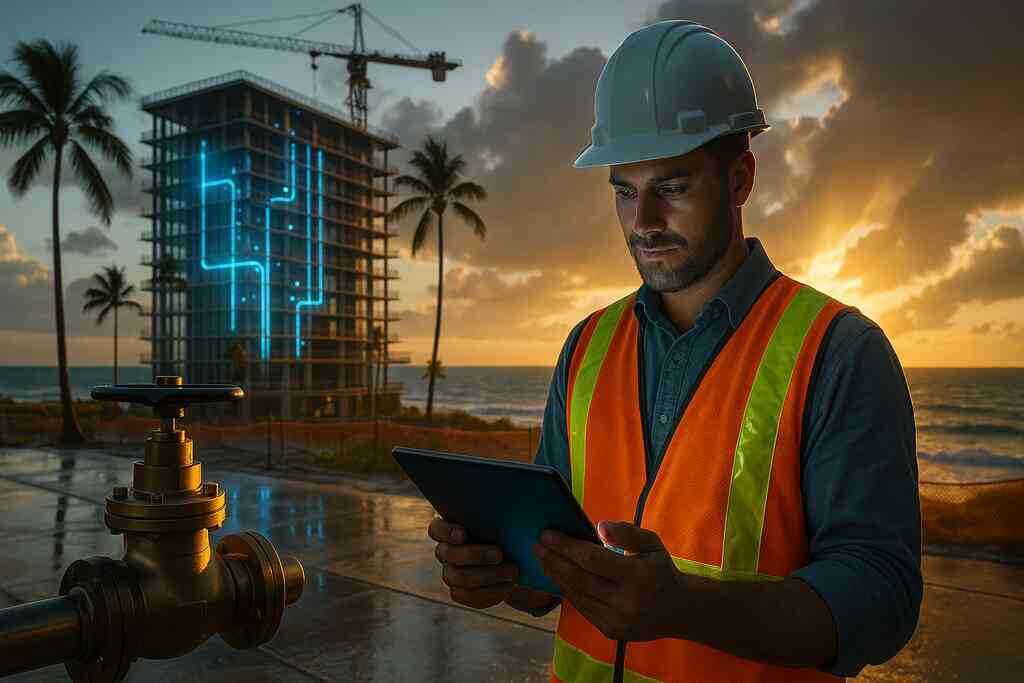
From Copper Lines to Connected Valves
South Florida’s construction scene is moving rapidly from traditional copper runs to cloud-connected, sensor-rich systems. This overview explains what “smart plumbing” now means for builders, remodelers, and service contractors operating from Miami-Dade through the Treasure Coast.
Why Intelligent Water Systems Are No Longer Optional
- Developers demand data. Multifamily investors want real-time consumption dashboards to verify operating costs and utility allocations.
- Homeowners expect convenience. Voice-activated faucets, phone alerts, and automatic shut-off valves are turning into standard upgrade requests.
- Liability is rising. Quick leak detection can prevent six-figure flood claims during hurricane season or even a routine service call. Contractors who deliver preventive tech reduce their insurance exposure.
Failing to offer these capabilities can push bids to the bottom of the pile and erode referral business in 2026 and beyond.
Core Components of a Smart Plumbing Package
1. Smart Meters and Flow Sensors
Installed at each unit or branch line, these devices send continuous flow and temperature data to a secure cloud portal. Contractors can verify performance before final inspection and hand over a digital commissioning report instead of a paper punch list.
2. Remote Shut-Off Valves
Motorized ball valves triggered by pressure anomalies close in seconds—even when power is out—thanks to battery backup modules. In hurricane-prone regions, they are quickly becoming a line-item in insurance underwriting checklists.
3. Predictive Leak Analytics
Algorithms compare baseline flow signatures with live readings to flag pinhole leaks, slab seepage, or excessive irrigation cycles long before they reach a visible stage. Maintenance teams receive alerts on their phones, allowing repairs during regular hours instead of emergency overtime.
4. Connected Water Heaters
Heat-pump or hybrid units with Wi-Fi modules let property managers adjust set points remotely, monitor anode rod life, and track energy use. These insights help achieve LEED point thresholds and meet Florida Green Building Coalition benchmarks without guesswork.
5. Integrated Irrigation Controls
Smart controllers tie local weather data to zone-by-zone flow feedback, trimming outdoor water use by up to 40 %. Landscapers appreciate fewer callbacks for brown spots, while building owners reduce utility overhead.
Designing for Humidity, Salt, and Storms
South Florida’s climate punishes standard materials. Incorporate the following to keep systems reliable:
- Corrosion-resistant piping: PEX-a with UV-resistant sleeves or copper treated with anti-dezincification alloys.
- Smart coatings on hangers and brackets: Prevent galvanic reaction where mixed metals meet.
- Flexible manifold layouts: Allow pipes to move during wind events, reducing fracture risk.
- Battery-powered gateways: Maintain sensor connectivity if grid power drops for days after a tropical storm.
Meeting Sustainable Building Codes
Building departments increasingly tie permits to measurable performance, not just fixture labels. A compliance-ready smart plumbing design should include:
- Low-flow fixtures monitored in real time to confirm they actually reach listed gallons-per-minute rates during commissioning.
- Demand-recirculation pumps that learn occupant patterns and cut standby losses.
- Rainwater harvesting tanks integrated with the same monitoring platform so property managers can prove reused-water volumes when seeking rebates.
- Solar-assisted water heaters feeding live production data to the building automation system.
By providing usage reports at the touch of a button, contractors reduce inspector pushback and streamline rebate paperwork.
Implementation Tips for Field Teams
Start With a Digital Riser Diagram
Model the entire potable water and drain-waste-vent system in a collaborative BIM platform. Sensor and valve locations become part of the virtual asset registry, simplifying future service calls.
Use Modular Manifolds
Headers with quick-connect fittings let crews add or swap circuits without cutting walls. This approach aligns with South Florida’s renovation-heavy market where units turn over frequently.
Pre-Configure Gateways Off-Site
Pair sensors, assign naming conventions, and verify firmware before equipment reaches the job trailer. On-site labor then focuses on physical installation instead of Wi-Fi troubleshooting in a blistering parking lot.
Provide a Clear Handoff Packet
Include QR codes on each fixture that link to digital O&M manuals, warranty timelines, and recommended maintenance intervals. Building engineers appreciate having everything tied to the exact valve or heater in question.
Cost Considerations—and Savings
While a whole-building smart plumbing system can add three to seven percent to material budgets, insurance premium credits, water savings, and avoided flood damage routinely offset the investment in less than three years. Contractors who can document these numbers often find owners eager to approve the upgrade.
The Competitive Edge for 2026
Smart plumbing is no longer a novelty demoed at trade shows. In South Florida it has become a baseline expectation similar to impact-rated windows or elevated HVAC platforms. Contractors who embed connected water technology into their workflows position themselves as risk-mitigation partners rather than commodity bidders.
Key Takeaways
- Real-time water data protects budgets and buildings.
- Remote shut-off valves are shifting from upscale option to code-driven requirement.
- Sustainable plumbing credits rely on verifiable usage metrics.
- Up-front costs are balanced by insurance and utility savings.
- Providing digital O&M documentation cements long-term client loyalty.
Staying ahead of these trends keeps South Florida contractors relevant, profitable, and ready for whatever the next hurricane—or building code cycle—brings.
What Does Smart Plumbing Mean to South Florida Contractors


Comments
Post a Comment