South Florida Contractors: 10 Smart Efficiency Tips 2026
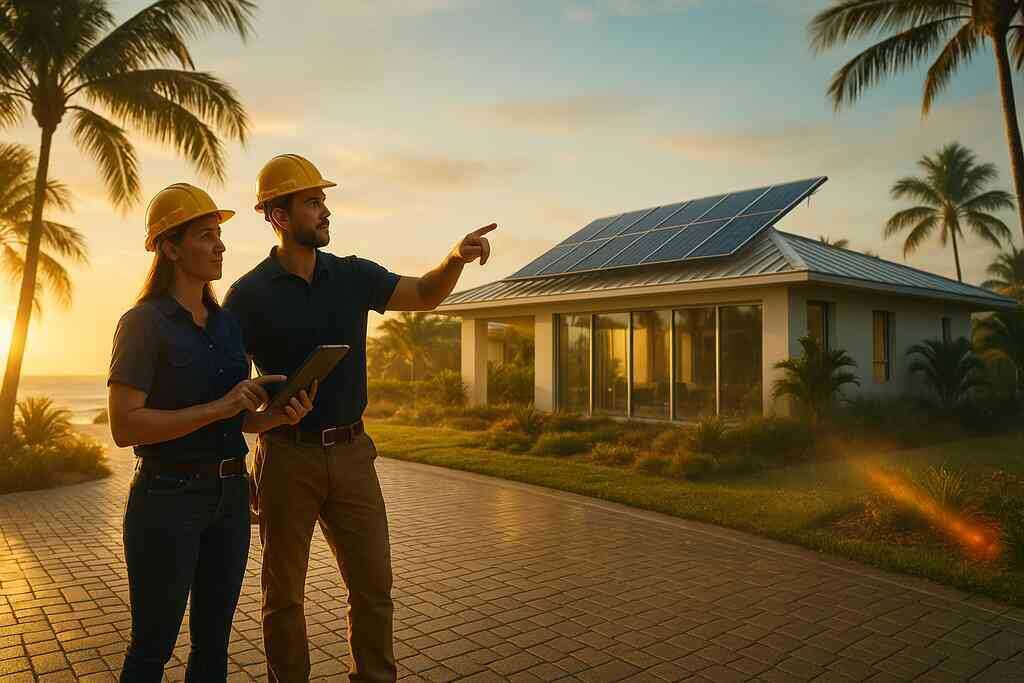
Building Smarter on the Atlantic Coast
South Florida construction moves fast. Rising labor costs, material volatility, and strict hurricane codes push every project team to squeeze more value from each hour and each dollar. The ten strategies below come straight from field-tested practices that local builders say cut waste, shorten punch lists, and lower long-term operating costs—without limiting creativity.
1. Design for the Climate on Day One
Putting the coastal climate at the center of schematic design keeps later change orders to a minimum. Early wind-load modeling, sun-path studies, and humidity mapping reveal where deeper overhangs, impact glass, and balanced ventilation will matter most. When those elements show up in the permit set, the contractor stays off the defensive and the client sees a clear performance narrative from the start.
2. Specify Durable, Corrosion-Resistant Fasteners
Salt spray reaches construction sites miles from the shoreline. Standard plated hardware often pits within the first season, leading to callbacks and warranty costs. Stainless screws, hot-dipped galvanized straps, and polymer-coated nails cost pennies more up front yet prevent thousands in hidden repairs. Field supervisors who track fastener SKUs consistently report cleaner inspection reports year after year.
3. Right-Size Mechanical Systems With Load Calcs, Not Rules of Thumb
Oversized HVAC units short-cycle in humid air, leaving moisture on walls and running up energy bills. Smart contractors insist on Manual J, S, and D calculations before approving any equipment order. Combining variable-speed condensers with properly sealed ducts reduces blower runtime by as much as thirty percent while keeping indoor relative humidity below fifty percent—an important threshold for mold prevention.
4. Layer Insulation and Air Barriers, Especially at the Roof Deck
A spray-foam roof deck paired with a radiant barrier keeps attic temperatures within ten degrees of conditioned space. That stability means ducts no longer cook in a 140-degree attic, and insulation crews can safely eliminate unnecessary soffit baffles. The result is a tighter envelope, smaller HVAC loads, and fewer comfort complaints from owners.
5. Schedule Deliveries Just in Time, Not Just in Case
Storage space is limited on infill lots, and afternoon storms can ruin exposed lumber in minutes. Project managers who confirm framing drops the same morning the crane arrives avoid warped studs and crowded job sites. The practice also lowers theft risk and helps local suppliers forecast demand more accurately, strengthening relationships in a tight labor market.
6. Pre-Fab Where It Adds Value, Not Everywhere
Factory-built wall panels and modular bathroom pods shine on repetitive multifamily projects, but they are not a cure-all. The most efficient South Florida teams analyze drawings for areas with high geometric repetition, then pre-fabricate only those portions. Hybrid framing—site-built first floor, panelized upper stories—often delivers the best balance between speed and flexibility when custom decks or lanais are involved.
7. Embed Solar-Ready Conduit During Rough-In
Even if the homeowner delays panel installation, running an empty conduit from the main service panel to the roof during rough-in costs less than fifty dollars. That simple step preserves sheathing integrity, keeps electrical runs hidden, and positions the property for future net-metering incentives. Inspectors welcome the foresight because it avoids haphazard roof penetrations down the road.
8. Protect Indoor Air With Balanced Ventilation
Range hoods and bathroom fans that only exhaust can create negative pressure, drawing moist air through wall cavities. Balanced ERV or HRV units supply tempered makeup air while recovering energy, stabilizing humidity and improving occupant health. Builders who integrate these systems into millwork show that high performance can remain invisible to the eye.
9. Use Digital Quality Checks Before Drywall
Tablet-based inspection apps let supers photograph framing, plumbing, and wiring details, then auto-tag them to plan locations. The software flags missing nail plates or under-sized blocking before walls close up. Contractors report punch lists shrinking by nearly half because issues caught digitally do not become hidden defects.
10. Keep a Continuous Feedback Loop After Handover
True efficiency shows up months after ribbon cutting. The most respected South Florida contractors place inexpensive data loggers in mechanical rooms and track temperature swings, humidity, and energy consumption for the first year. Quarterly reviews with the owner translate findings into minor tweaks—thermostat schedules, irrigation timing, or filter changes—that add tangible comfort and savings. Those measurable wins often lead to repeat work and referrals.
Key Takeaways at a Glance
- Coastal climate data should guide every major design decision.
- Small material upgrades—stainless fasteners, spray foam, ERVs—pay back quickly in harsh salt air.
- Digital tools, from load calcs to quality-check apps, cut waste without slowing crews.
- Post-occupancy monitoring turns one-time projects into long-term partnerships.
Closing Thoughts
Efficiency in 2026 is bigger than faster schedules or lower energy bills. It is an entire mindset that blends resilient detailing, smart technology, and proactive communication. South Florida contractors who adopt the practices above protect their margins, their reputations, and the homes that shape this unique coastal region.
Top 10 Efficient Tips by South Florida Contractors 2026
Comments
Post a Comment