Winter HVAC Tips for Energy-Smart Homes in South Florida
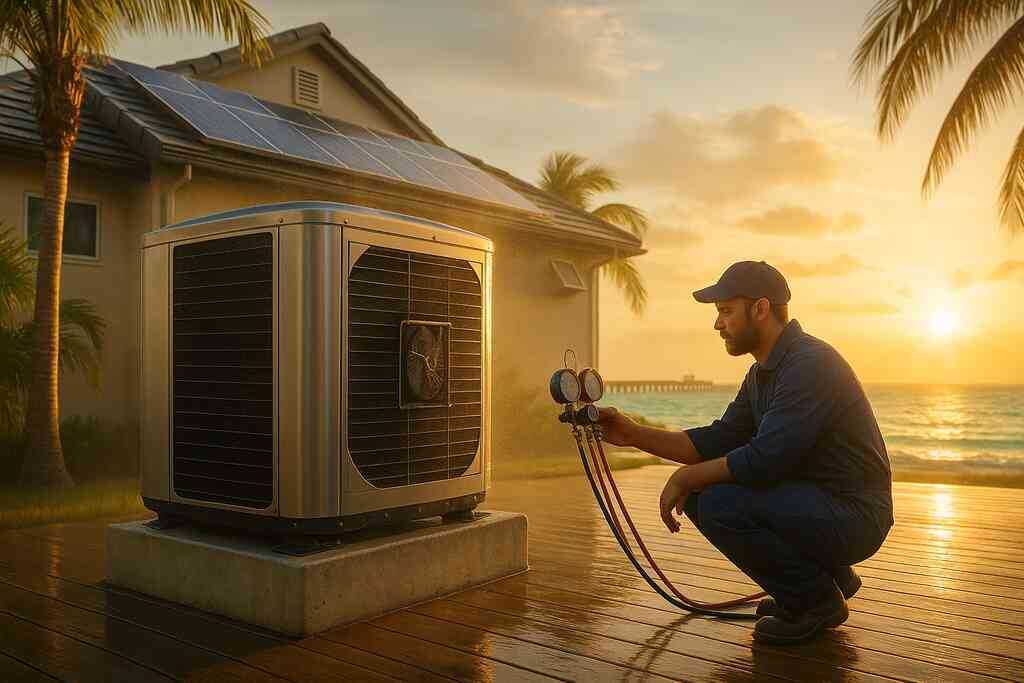
Keeping Comfortable When the Thermostat Barely Moves
South Florida rarely sees a true cold snap, yet even a five-degree dip can send heat pumps into overdrive and nudge electric bills higher. This guide breaks down how local contractors fine-tune residential and light-commercial systems for a climate where humidity, not frost, is the greater foe.
1. Match Equipment Size to Mild Loads
A heater sized for New England will short-cycle in Boca Raton. Reputable contractors rely on Manual J calculations that emphasize latent (moisture) removal more than raw heating output. The result is a smaller, inverter-driven heat pump that coasts at low speed most of the day, saving kilowatts and reducing wear.
Key checkpoints during a load calculation:
- Wall and roof insulation levels, especially any recent spray-foam upgrades.
- Orientation of glass and shading from trees or lanais.
- Air-sealing results from a blower-door test.
2. Program the Thermostat for Coastal Reality
Many homes still run factory defaults that assume a frozen winter morning. South Florida pros adjust schedules so the setpoint eases down a few degrees overnight and recovers slowly after sunrise. A variable-speed air handler handles this curve without a noticeable chill, and the compressor avoids an energy-hungry sprint.
Suggested winter schedule:
- 10 p.m.–6 a.m.: 72 °F
- 6 a.m.–9 a.m.: 74 °F (gradual ramp)
- 9 a.m.–5 p.m.: 74 °F only if the home is occupied; otherwise 76 °F
- 5 p.m.–10 p.m.: 73 °F
Small tweaks—often two degrees or less—can reduce seasonal consumption by 5–8 percent.
3. Tackle Humidity First, Heat Second
Even in January, outdoor dew points hover near 60 °F. If indoor relative humidity (RH) creeps above 60 percent, occupants feel a clammy chill that triggers extra heating cycles. Contractors solve the issue with two complementary strategies:
- Tighter Ducts – Mastic-sealed supply trunks stop conditioned air from leaking into hot attics and drawing humid air indoors.
- Dedicated Dehumidification – Some variable-speed systems include a dehumidify mode that runs the blower at a slower pace, extracts moisture, and adds only minimal heat.
4. Maintain Coils and Filters Before the Cold Front Arrives
Salt-laden coastal air accelerates corrosion. A mid-autumn tune-up typically includes:
- Cleaning evaporator and condenser coils with a non-acidic foaming agent.
- Measuring refrigerant charge and verifying it against manufacturer specs.
- Inspecting for pitted contactors and rusted screws, swapping stainless hardware when needed.
- Replacing pleated filters (MERV 8–11) to keep airflow unobstructed.
A clean coil can restore up to 15 percent of lost efficiency—often the difference between a quiet, steady run and an irritating short cycle.
5. Consider a UV Light for Year-Round Indoor Air Quality
Because windows stay closed during brief cool periods, airborne spores and biofilm inside the air handler gain an advantage. A low-wattage UV-C lamp installed just downstream of the evaporator coil inhibits mold growth and keeps drain pans clear. While UV lights are not a substitute for filtration, they extend coil cleanliness between service visits and protect allergy-prone occupants.
6. Optimize Heat-Pump Controls for Salt-Air Longevity
Modern units let technicians customize compressor lockout temperatures and fan-speed ramps. In South Florida, many contractors:
- Delay Auxiliary Heat – Set strip-heat lockout around 40 °F rather than the default 60 °F. The strip rarely activates, yet remains available for the rare freeze warning.
- Lower Defrost Frequency – Coastal humidity means more moisture on outdoor coils, but actual frosting is uncommon. Extending defrost intervals reduces wasted energy and water runoff.
7. Plan HVAC Routes at the Blueprint Stage
When building or remodeling, an early meeting between the architect, general contractor, and HVAC designer pays long-term dividends:
- Short, straight duct runs lower static pressure and enable smaller air handlers.
- Mechanical closets placed near the building’s core reduce exterior wall penetrations and corrosion risk.
- Pre-planned chase spaces allow for future additions such as a solar-powered mini-split without framing surprises.
8. Keep an Eye on Refrigerant Choices
Florida code now permits lower-GWP blends like R-454B. These refrigerants operate at pressures well suited to the region’s narrow temperature swing, easing strain on compressors and shaving a few decibels off operating noise—an aesthetic win for densely built neighborhoods.
Quick Winter Checklist
- [ ] Swap the filter before the first cool evening.
- [ ] Verify thermostat schedule aligns with actual occupancy.
- [ ] Inspect exterior unit for debris and rusted fasteners.
- [ ] Confirm supply and return vents are open and unobstructed.
- [ ] Schedule a professional coil cleaning if it has been more than one year.
Final Thought
Winter may feel like a brief intermission between hurricane prep and spring allergies, yet the HVAC system never truly rests. Right-sizing equipment, controlling humidity, and adopting mild-weather thermostat profiles help South Florida homes stay comfortable while curbing kilowatt creep. A short service visit today often prevents an emergency call during that one cold morning when you least expect it.
Top Winter HVAC Tactics from South Florida Contractors


Comments
Post a Comment