Boynton Beach Remodel Cost Guide: Smart Budgeting for 2026
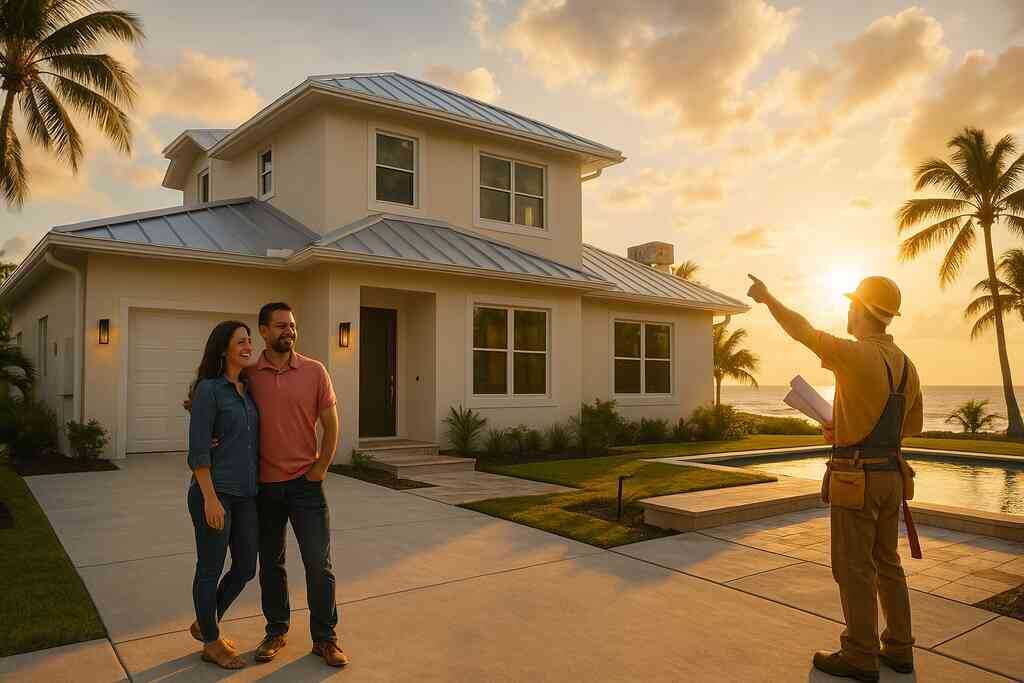
Boynton Beach Remodel Cost Guide 2026
A coastal remodel in Boynton Beach is exciting, yet the sheer number of cost variables can feel overwhelming. This guide breaks down the big drivers—labor, materials, permitting, and climate-specific upgrades—so you can build a realistic budget before calling a single contractor.
1. Know Your Local Labor Market
South Florida’s renovation scene is busy. Crews bounce between Boynton, Delray, and Boca, and that constant shuffle shapes pricing. Labor typically accounts for 35-50 % of a full-scale remodel. Three factors push rates up or down:
- Seasonal demand – Hurricane season prep work peaks from late spring through early fall. Plan interior phases then and exterior phases during cooler, drier months to find more competitive bids.
- Trade scarcity – Finish carpenters and tile setters remain in short supply. If your design relies on custom millwork or intricate stone, add extra time and a 10 % premium to be safe.
- Travel radius – A contractor based ten miles away often prices lower than one commuting from Miami-Dade. Ask where crews stage equipment and how that influences mobilization fees.
2. Coastal Codes: The Hidden Line Item
South Florida Building Code requirements for wind uplift, impact glazing, and corrosion-resistant fasteners increase material costs. Homeowners who set aside an additional 10-15 % for code compliance avoid last-minute surprises. Key examples:
- Windows & doors – Impact-rated assemblies can be 25-40 % higher than standard products, but they may unlock insurance discounts.
- Roof fastening – Simple nail patterns rarely pass inspection near the shore. Upgraded screw-shank or ring-shank systems add roughly $1.50-$2.00 per square foot of roof deck.
- Anchoring & strapping – Simpson-style hurricane ties and engineered hold-downs cost more in hardware and labor, yet skipping them can stall permits for weeks.
3. Establish a Cost-Per-Square-Foot Range
Boynton remodelers use three broad tiers when quoting whole-home projects in 2026:
| Scope | Typical $/SF | What It Covers |
|---|---|---|
| Refresh | $100–$140 | Paint, fixture swaps, basic flooring, no walls moved |
| Mid-range | $150–$220 | Limited wall changes, semi-custom cabinets, new HVAC zones |
| Extensive | $225–$300+ | Structural beams, roofline changes, luxury finishes, full system upgrades |
Start by measuring the areas you plan to touch. Multiply by a tier that matches your ambition, then compare that total to savings, equity, or renovation-loan capacity. This simple exercise often prevents scope creep long before drawings are finished.
4. Room-by-Room Benchmarks
Kitchen
- Cosmetic update – $25K–$40K covers cabinet refacing, solid-surface counters, lighting, and paint.
- Layout re-work – $60K–$110K is common when moving plumbing, adding structural beams, or selecting professional-grade appliances.
Primary Bath
- Pull-and-replace – $18K–$30K for new tile, vanities, and fixtures in the existing footprint.
- Spa-level expansion – $40K–$70K when enlarging showers, relocating drains, and installing freestanding tubs or steam systems.
Outdoor Living
- Covered patio refresh – $12K–$25K for pavers, fans, and basic electrical.
- Full summer kitchen – $35K–$75K with gas lines, stone counters, and marine-grade cabinetry.
5. Material Choices That Pay Off in Humid Climates
Boynton’s sun, salt, and humidity shorten the life of many mainland materials. Spending slightly more up front often means lower maintenance and better resale later.
- Roofing – Standing-seam aluminum with Kynar coating reflects heat and resists corrosion far longer than asphalt shingles.
- Insulation – Closed-cell spray foam seals humidity, keeping attic temperatures 15-20 °F cooler in summer.
- Cabinet boxes – Marine-grade plywood or PVC frames prevent warping in steamy kitchens and baths.
- Hardware – Stainless or powder-coated fixtures stay spot-free despite salty air.
6. Permitting and Professional Fees
Boynton Beach charges sliding permit fees based on valuation. Plan on roughly 1.5-2 % of the project cost for city review, impact fees, and inspections. Add design and engineering:
- Architectural plans – 4-8 % of construction value depending on complexity.
- Structural engineering – $2K–$5K for beam calculations or wind-load diagrams.
- Title 24 energy calculations – Often bundled with mechanical design but may add $400–$600 if filed separately.
7. Contingency: Your Safety Net
Even with thorough planning, hidden slab plumbing, termite damage, or outdated wiring can surface once walls open. A prudent contingency is 10 % of the construction contract. On an $80K scope, that $8K cushion prevents frantic change-order negotiations and keeps progress moving.
8. Scheduling to Beat Supply-Chain Volatility
Global shipping lags have eased, yet specialty items—custom windows, induction ranges, European tile—still show 12-16-week lead times. Lock major selections before demo day. Many contractors allow materials to be stored in climate-controlled warehouses for a modest fee, preserving the schedule if something backorders unexpectedly.
9. Comparing Bids Apples to Apples
When three contractors price the same job, their proposals often look different. Create a spec sheet that lists:
- Cabinet line and door style
- Appliance make and model numbers
- Flooring type and square footage
- Disposal of demo debris (on-site dumpster vs. off-site haul-away)
- Allowances for lighting and plumbing fixtures
A clear baseline lets you spot real cost differences instead of variations caused by missing items.
10. Financing Options to Bridge the Gap
- Cash-out refinance – Works well if mortgage rates stay favorable and you plan to remain in the home five or more years.
- HELOC – Flexible draw schedule; interest may be tax-deductible when used for capital improvements.
- FHA 203(k) or Fannie Mae HomeStyle® – Bundles purchase or refinance with renovation funds, ideal for buyers updating a fixer-upper.
Compare closing costs, interest rates, and early payoff penalties before choosing. A quick spreadsheet projecting monthly payments against your post-remodel home value clarifies which product aligns with long-term goals.
11. Sustainability Upgrades That Add Value
Eco-conscious buyers dominate South Florida’s 2026 market. Modest investments can separate your listing when it is time to sell.
- Variable-speed pool pumps cut energy use by up to 70 %.
- Heat-pump water heaters reduce utility bills and qualify for local rebates.
- Low-E, argon-filled glass improves comfort and meets stringent energy codes.
Document installations with photos and copies of warranties; future appraisers and buyers treat those records as proof of added worth.
12. Putting It All Together
A successful Boynton Beach remodel balances lifestyle goals against realistic costs. Start with a firm cost-per-square-foot target, account for coastal code premiums, and maintain a 10 % contingency. Confirm labor availability, order long-lead materials early, and compare bids line by line. Follow these steps and your 2026 renovation can finish on time, on budget, and ready to withstand the next Atlantic storm season.
Taking the time to plan each phase in detail pays dividends in smoother inspections, stronger resale numbers, and fewer sleepless nights once demolition begins. Use this guide as a living worksheet, update figures as quotes arrive, and enjoy watching your coastal vision become reality.
Boynton Remodel Cost Guide With South Florida Contractors


Comments
Post a Comment