How Modular Additions Work With South Florida Contractors
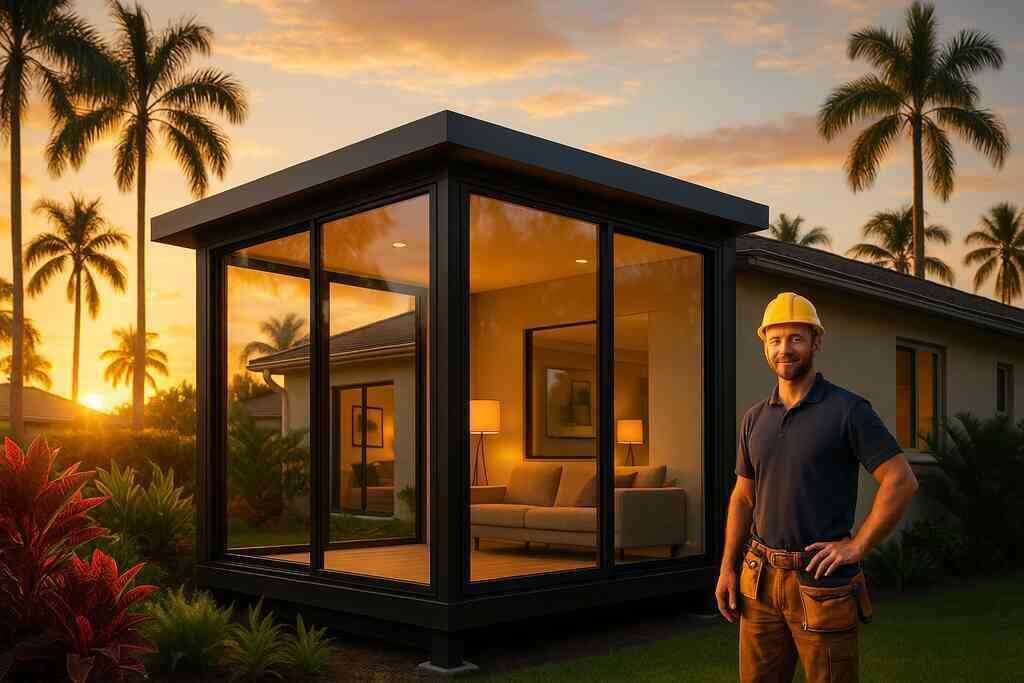
How Modular Additions Work With South Florida Contractors
Modular additions are reshaping how South Florida homeowners expand and upgrade their living spaces. This overview breaks down how modular construction works, what makes it a practical choice in the South Florida market, and what to look for when partnering with a local contractor.
What Is Modular Construction?
Modular construction uses pre-fabricated building components that are manufactured off-site in a controlled environment. Once completed, those components are transported to your property and assembled into a finished structure.
This approach is different from traditional stick-built construction, where everything is built on location from the ground up. With modular methods, the bulk of the work happens before your site is even touched.
The result is a process that is faster, more precise, and generally less wasteful than conventional building.
Why Modular Additions Are Growing in South Florida
South Florida has a unique set of conditions that make modular construction especially appealing. The climate, population density, and demand for efficient development have all contributed to its rise in 2026.
Here are a few reasons homeowners in this region are turning to modular solutions:
- Speed of completion. Modular projects typically move faster than traditional builds because fabrication and site preparation can happen simultaneously.
- Reduced on-site disruption. Less time on your property means less noise, mess, and inconvenience during construction.
- Cost predictability. Factory-controlled environments help reduce material waste and unexpected cost overruns.
- Customization options. Modern modular systems offer a wide range of design choices, from layout and finishes to energy features and structural configurations.
Common Types of Modular Additions
Modular methods can be applied to a variety of home expansion projects. Some of the most common additions include:
- Room additions such as extra bedrooms, home offices, or sunrooms
- In-law suites or accessory dwelling units
- Garage conversions or expansions
- Second-story additions
- Covered outdoor living spaces with structural components
Each of these can be designed to match your existing home's style, materials, and proportions. A well-executed modular addition should look and feel like it was always part of the original structure.
Energy Efficiency in Modular Homes
One of the strongest arguments for modular construction is its compatibility with energy-efficient design. Because components are built in a factory setting, there is greater control over insulation quality, air sealing, and material performance.
In South Florida, where cooling costs can be significant, these factors matter. Energy-efficient modular homes often feature:
- High-performance insulation systems
- Advanced HVAC integration
- Low-E windows and moisture-resistant materials
- Compatibility with solar panel installations
Over time, these features translate into lower utility bills and a more comfortable interior environment year-round.
Permits and Building Codes
Navigating permits is a necessary part of any construction project in Florida. Local municipalities have specific requirements that govern setbacks, structural standards, wind resistance, and more.
Working with an experienced South Florida contractor simplifies this process considerably. A knowledgeable professional will know which permits are required, how to prepare the documentation, and how to ensure the project meets Florida Building Code standards from the start.
Skipping this step or working with a contractor unfamiliar with local regulations can lead to costly delays, required demolition, or legal complications. It is always worth taking the time to verify that your contractor is licensed and familiar with your county's requirements.
Choosing the Right Modular Contractor
Not all contractors have experience with modular construction, so the selection process matters. When evaluating potential partners, consider the following:
- Verified licensing and insurance in the state of Florida
- Portfolio of completed modular projects in South Florida
- Transparency about the fabrication and installation process
- Clear communication about timelines and milestones
- Familiarity with local permit requirements
A good contractor will take the time to understand your goals before proposing a plan. They should be able to walk you through the design options, cost estimates, and expected timeline in plain terms.
Final Thoughts
Modular additions offer a smart, efficient path to expanding your South Florida home without the extended timelines and unpredictability of traditional construction. Whether the goal is adding square footage, improving energy performance, or creating a dedicated space for family or work, modular solutions provide a flexible framework to get there.
Understanding the process, knowing what questions to ask, and working with qualified local contractors are the keys to a successful outcome.
Modular Additions with South Florida Contractors Near You


Comments
Post a Comment