Planning Your South Florida Patio: A Guide for 2026
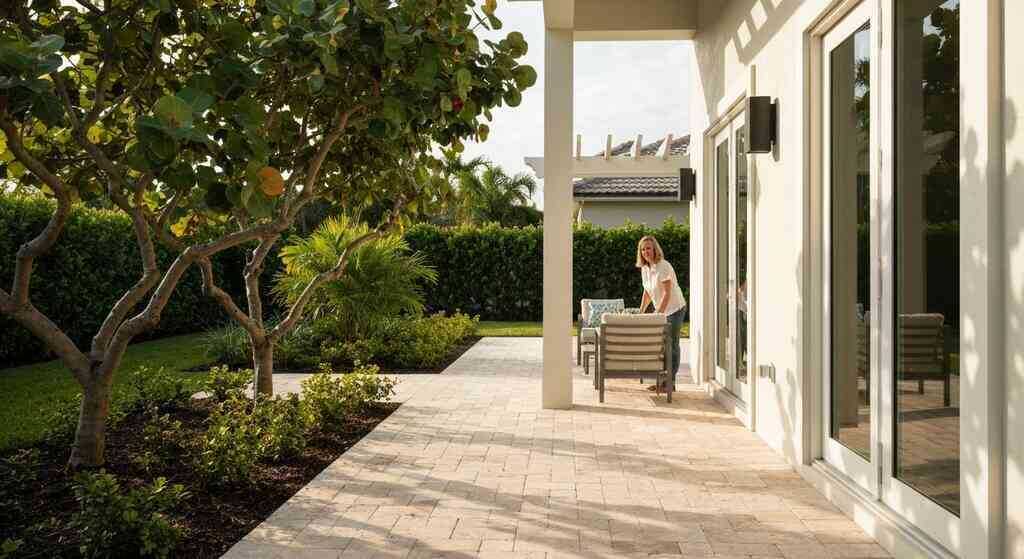
Planning Your South Florida Patio: A Guide for 2026
Are you looking to transform your backyard into a functional living space before the peak heat of summer arrives? Building a patio in South Florida requires careful timing and an understanding of our unique regional climate. By planning your project during the spring, you ensure that your outdoor area is ready for use while avoiding the challenges of working during the peak of the tropical storm season.
Why Start Your Backyard Project Now
Many homeowners wait until mid-summer to begin planning, which often leads to rushed projects and complications due to sudden weather shifts. Starting in the spring months allows for more comfortable working conditions for your construction team and ensures that materials like concrete have an ideal environment to cure properly. A well-planned backyard not only increases your property value but also provides a private sanctuary just steps from your back door.
Understanding Our Regional Climate for Design
Designing a successful outdoor living space means respecting the local environment. South Florida presents unique challenges, including intense UV exposure and frequent, heavy rain showers. Proper design accounts for these elements so your materials do not fade or crack prematurely. Experienced builders often orient a new patio to capture the prevailing breeze, which is essential for maintaining comfort during warmer afternoons. If the sun's path is ignored during the design phase, you may find your new space too hot to enjoy during the middle of the day.
Assessing Your Property for Renovation
Before breaking ground, take time to evaluate your existing landscape. Look for signs of wear, such as cracked decking or areas where grass refuses to grow due to moisture or shade. Identify any drainage issues early. If you notice water pooling after a brief shower, your site requires proper grading before any new structures are placed. Planning for these functional necessities rather than just focusing on aesthetics ensures a longer-lasting result. Engaging with professionals early helps you establish a realistic budget that covers site preparation, which is often the most critical stage of the process.
Working With South Florida Soil
Regional soil composition is often sandy or limestone-based, which presents specific challenges for foundation stability. A local expert understands how to compress the sub-base correctly to prevent your new patio from settling or shifting over time. It is crucial to use the correct fill and compaction methods tailored to this environment. Attempting to bypass these steps or hiring someone unfamiliar with local geological conditions often leads to structural repairs later. Always verify that your chosen professional has a solid reputation and relevant experience in your specific city.
Prioritizing Coastal Construction Standards
Building near the coast introduces variables such as high salt content in the air and the constant threat of hurricane-force winds. You must insist on materials and fasteners that meet current high-velocity hurricane zone standards. These requirements dictate the necessary thickness of a concrete slab and the strength of required anchor bolts. Ignoring these regional standards can lead to insurance complications or significant structural damage during a storm. A professional approach prioritizes safety and long-term durability in every fastener and material choice.
Effective Drainage Solutions
Water management is perhaps the most overlooked aspect of outdoor construction in a region prone to tropical storms. Without a clear plan, you risk water seeping into your home's foundation or turning your yard into a muddy basin. Effective backyard drainage solutions often include the integration of French drains, catch basins, or strategic grading to direct water away from your structures. It is also vital to ensure that your new patio does not change the water flow in a way that impacts your neighbors. A proactive plan keeps your landscape healthy and prevents interior water damage during the wet summer months.
The Role of a Solid Foundation
A poured concrete slab often serves as the best foundation for permanent outdoor structures in our humid climate. This rigid base helps prevent the sinking or cracking that sometimes plagues improperly supported paver systems. When discussing your project, talk about the required PSI strength and rebar reinforcement. Ensuring your contractor understands these technical requirements will help guarantee that the base can support your furniture and lifestyle needs for years to come. A properly cured concrete slab offers a flat, level surface that serves as a versatile, low-maintenance canvas for your home.
Selecting Sustainable Materials
Choosing between a paver patio and a poured concrete slab is a common decision point for homeowners. Pavers offer significant aesthetic flexibility and allow for individual unit repair if damage occurs. Conversely, poured concrete provides a seamless, monolithic appearance that is easy to maintain. When choosing materials, look for options that are rated for high UV resistance and coastal salt exposure to ensure the finish remains vibrant and intact. Taking the time to research these technical aspects during the planning phase will result in a backyard that is both beautiful and functional throughout the year.
Best Time to Build a Patio in South Florida
Comments
Post a Comment