Preconstruction Guide South Florida Contractors Recommend
Understanding Preconstruction in South Florida
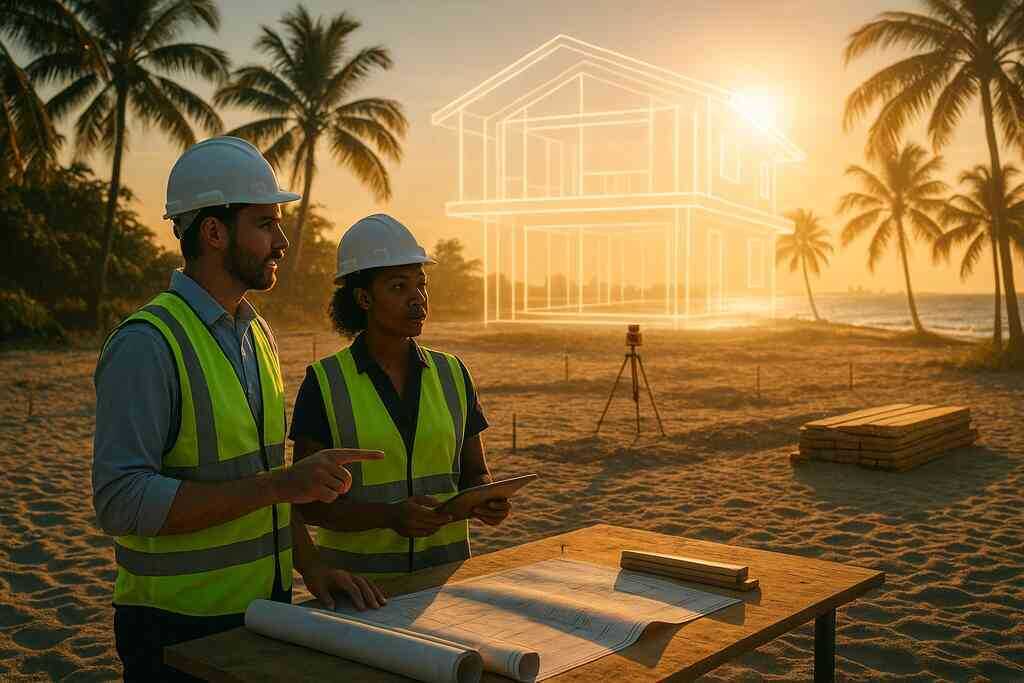
Preconstruction is the quiet phase that sets the rhythm for an entire build. Before concrete is poured or lumber is delivered, contractors, designers, and owners use this stage to agree on scope, cost, schedule, and risk. In South Florida’s hurricane-prone, high-humidity environment, skipping or rushing these conversations is the fastest route to overruns and delays. This guide breaks down why veteran South Florida contractors treat preconstruction as non-negotiable and what you, as an owner or developer, should expect from a well-run process.
Why Preconstruction Is Mission Control
- Cost Certainty – Early coordination allows teams to price materials, labor, and logistics while design changes are still inexpensive to make.
- Schedule Protection – Detailed sequencing and long-lead procurement reduce the chance that specialty glass, rooftop equipment, or site utilities hold the project hostage later.
- Risk Mitigation – Soil borings, wind-load calculations, and flood-zone reviews catch physical challenges unique to coastal Florida before they snowball into change orders.
- Stakeholder Alignment – Owners, architects, engineers, and builders meet in the same room, hash out priorities, and document clear decision-making pathways.
Goals That Drive Successful South Florida Projects
South Florida builds balance lifestyle aspirations with serious environmental demands. A robust goal-setting workshop often addresses:
- Resilience – Impact-rated glazing, elevated finished floors, and corrosion-resistant fasteners safeguard against storm surge and salty air.
- Energy Efficiency – Insulated concrete forms, reflective roofing, and high-SEER HVAC systems fight soaring utility rates.
- Aesthetics vs. Budget – Finishes such as imported stone or custom millwork get priced against durable, regionally available alternatives so owners choose with full knowledge of trade-offs.
- Long-Term Maintenance – Material service life and replacement costs are compared over a 15- to 30-year horizon rather than only the initial sticker price.
Documenting these targets gives every team member the same north star and reduces subjective debates once construction is underway.
The Step-by-Step Preconstruction Workflow
1. Feasibility & Land Due Diligence
Even seasoned developers can be surprised by wetlands, utility easements, or deed restrictions hidden in a parcel’s history. During feasibility, civil engineers, surveyors, and environmental consultants verify zoning, stormwater requirements, and soil conditions. Accurate reports help owners refine yield assumptions and lenders gauge project risk.
2. Goal Definition & Budget Alignment
With site constraints mapped, the design team meets with the contractor to turn lifestyle or program wish lists into measurable benchmarks. A working budget is paired with preliminary floor plans so square footage and performance targets stay synchronized from day one.
3. Early Contractor Involvement (ECI)
Involving a builder while drawings are still conceptual offers two major advantages:
- Constructability Reviews – The builder flags tricky details—like a slender floating stair that may require hidden structural steel—so the architect can adjust before those details reach permit drawings.
- Market-Driven Pricing – Subcontractors are invited to provide “design-assist” input, suggesting alternative assemblies or suppliers that achieve the same look for less money or lead time.
4. Detailed Scheduling & Procurement
Material lead times have tightened since 2020, and specialty products for hurricane zones can stretch even longer. During preconstruction, the scheduling team creates a milestone map that locks in order dates for impact windows, generators, or backup chillers. When a product’s lead time threatens the critical path, the group revisits selections or sequences to keep delivery on track.
5. Permit Strategy for Coastal Codes
Jurisdictions in Miami-Dade, Broward, and Palm Beach counties each enforce nuanced versions of the Florida Building Code. A preconstruction manager coordinates early plan reviews, structural peer checks, and utility sign-offs so the permit package sails through without major resubmittals. Mapping this regulatory timeline alongside construction tasks prevents the dreaded “crew on standby” scenario.
Key Deliverables You Should Expect
A well-structured preconstruction effort usually produces:
- Written scope narrative and responsibility matrix
- Detailed estimate broken into trade divisions, allowances, and contingencies
- Value-engineering log showing accepted and rejected cost-saving ideas
- Preliminary construction schedule with critical path items highlighted
- Risk register outlining permitting, supply chain, and weather exposures
- Cash-flow curve so financiers understand monthly funding needs
Receiving and reviewing these documents early gives owners leverage to make data-backed decisions rather than emotional guesses.
Common Pitfalls and How to Avoid Them
- Skipping Soil Testing – Coastal fill can hide organics or voids that later demand expensive helical piers. Always budget and schedule geotechnical borings before finalizing foundations.
- Underestimating Lead Times – Impact glass, custom aluminum, and standby generators can exceed 30 weeks. Order early or risk idled crews.
- Unclear Decision Authority – When dozens of selections are racing toward a permit deadline, knowing who signs off on colors, fixtures, or layout tweaks keeps the schedule intact.
- Token Value Engineering – If cost reviews happen after design documents are 100% complete, few changes stick. Real savings come when alternatives are explored while drawings remain flexible.
Final Thoughts
Preconstruction may not deliver the visual excitement of a finished kitchen or rooftop pool, but it is the stage where the most money is saved—and often where the most headaches are prevented. South Florida’s climate, code requirements, and coastal geology amplify the importance of rigorous front-end planning. By insisting on a comprehensive preconstruction program, owners protect profit, builders sharpen schedules, and communities gain buildings that will endure the next storm season and the one after that.
Treat the phase as mission control: invest the time, gather the right data, and align every stakeholder early. The result is a smoother build, a stronger structure, and fewer sleepless nights once the hammers finally swing.
What Is Preconstruction South Florida Contractors Recommend


Comments
Post a Comment