South Florida Custom Home Permits: A Builder’s Guide
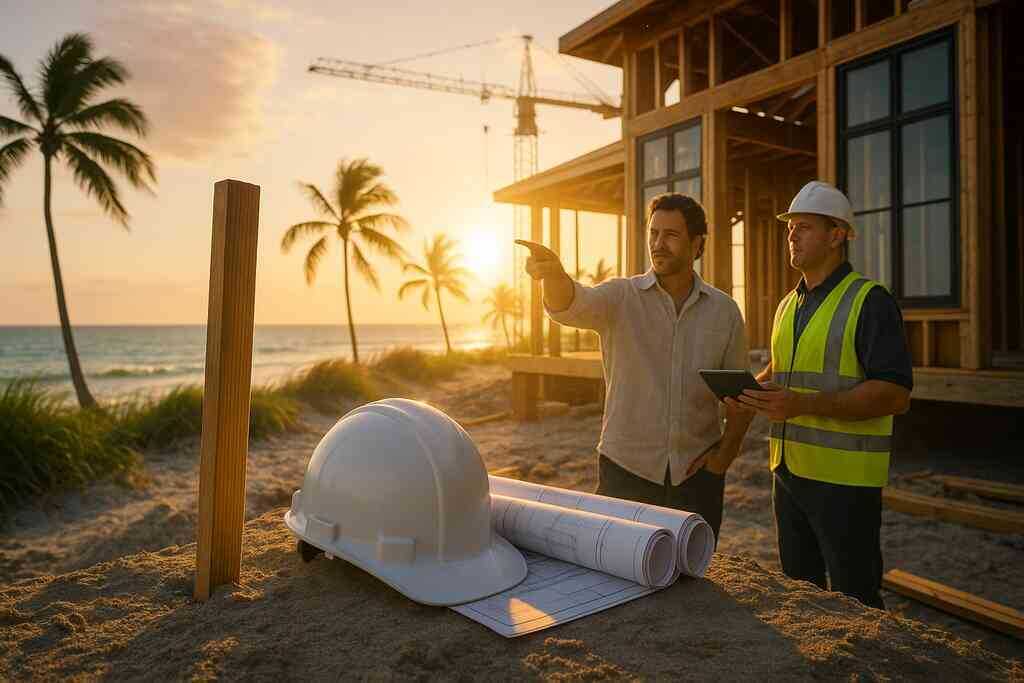
Building in Palm Beach Starts With Paperwork
Custom homes evoke images of sweeping porches and ocean breezes, yet the first real milestone is much less glamorous: a stamped permit set. This guide walks through the permit landscape unique to South Florida so owners, designers, and investors can move from concept to concrete without costly detours.
1. Treat the Permit Search Like Site Selection
Every municipality from Jupiter to Boca Raton has its own forms, fee schedules, and review calendars. Rather than hop from website to website, many owners begin with a regional contractor directory. A well-curated list lets you filter licensed builders by zip code and project type, then compare recent permit wins. Reviewing that history up front is an easy way to see who successfully navigates coastal, flood-zone, and energy reviews—the three big hurdles for a new South Florida residence.
Checklist when screening a builder:
- Confirm a current general contractor license and proof of insurance.
- Look for projects in the same wind zone as your lot.
- Ask how many permit revisions their last three custom homes required.
- Request a sample of the internal permit schedule they share with clients.
2. Understand Hurricane Code Before You Draft
Palm Beach County sits in a High-Velocity Hurricane Zone (HVHZ). The building code therefore enforces stringent rules on:
- Impact-rated windows and doors
- Roof sheathing fastening patterns
- Uplift-resistant connections from foundation to ridge
- Emergency egress sizing
Because these structural requirements dovetail with the Florida Energy Conservation Code, smart design teams submit a single plan package that addresses wind and energy performance together. Doing so prevents the “split review” many first-time applicants encounter, where plans pass structural review but stall at energy calculations and vice versa.
Pro tip: keep a laminated HVHZ checklist in every job folder and review it at each design milestone—schematic, 50 %, and 100 % construction documents. Small oversights, like a missing window label, can trigger a full resubmittal.
3. Map Setbacks Before You Sketch the First Room
Coastal parcels carry layers of zoning overlays: shoreline setbacks, dune buffers, and view corridor protections. Pull the county’s digital parcel map, overlay it in your CAD program, and highlight protected zones in a contrasting color. Add exterior elements such as stairs, trellises, or roof decks early, because each projection must clear setback limits or be called out for a variance.
If a variance is unavoidable, prepare the narrative while drafting the site plan. Citing recent approvals for comparable projects shows precedent and often shortens planning board discussions.
4. Build a Permit-First Project Schedule
Experienced South Florida contractors open a shared spreadsheet the same day concept sketches appear. Typical columns include:
- Agency submittal date
- Reviewer comments received
- Revision deadline
- Approvals secured
- Signatures outstanding
Monitoring these details turns permitting into a manageable sub-project. Crews stay productive; lenders see predictable milestones; and owners avoid the unpleasant surprise of an idle slab awaiting reviewer feedback.
5. Keep Inspectors One Step Ahead
Once the permit is issued, inspection sequencing becomes the new clock. Successful builders do the following:
- Pre-verify trade licenses. A binder with current plumbing, electrical, and HVAC licenses prevents job-site delays.
- Stage rough-in inspections logically. Framing, plumbing, and mechanical must reach 100 % internal sign-off before calling the inspector. One failed trade can red-tag the entire inspection.
- Negotiate field revisions. Minor changes—say, relocating a window—can often be approved with stamped sketches rather than a full plan reissue if the contractor maintains a respectful, proactive rapport with reviewers.
6. Budget for the Hidden Costs
Permit fees in 2026 still vary by municipality, but owners should plan for more than just the base square-foot charge. Common extras include:
- Impact fee for schools, roads, and parks
- County concurrency reviews
- Utility connection fees
- Third-party plan review surcharges when the local building department is at capacity
An experienced builder will provide a line-item estimate so these costs do not appear mid-project.
7. Digital Submittals Are the New Normal
Most coastal municipalities now require PDF uploads rather than paper rolls. Optimize file size without sacrificing clarity:
- Use vector-based line work and separate high-resolution details into referenced sheets.
- Combine structural calculations, energy forms, and product approvals into a bookmarked PDF portfolio so reviewers can navigate quickly.
- Follow the exact naming convention posted by the jurisdiction (for example, "A-001_CoverSheet.pdf"). Missing a hyphen can push a file to the end of the queue.
8. Final Thoughts
Securing a custom home permit in South Florida demands equal parts technical knowledge and project management discipline. By choosing a contractor with a documented permit track record, aligning architectural drawings with hurricane and energy codes from day one, and scheduling permitting as its own workflow, owners can trade guesswork for clarity—and move from blueprints to bulldozers on time and on budget.
Building in the tropics will always involve extra scrutiny, but the reward is a resilient home designed for both seaside living and storm-season realities. With the right preparation, the permit office becomes a checkpoint, not a choke point.
Custom Home Permit Guide From South Florida Contractors


Comments
Post a Comment