Winter HVAC Myths South Florida Homeowners Should Stop Believing
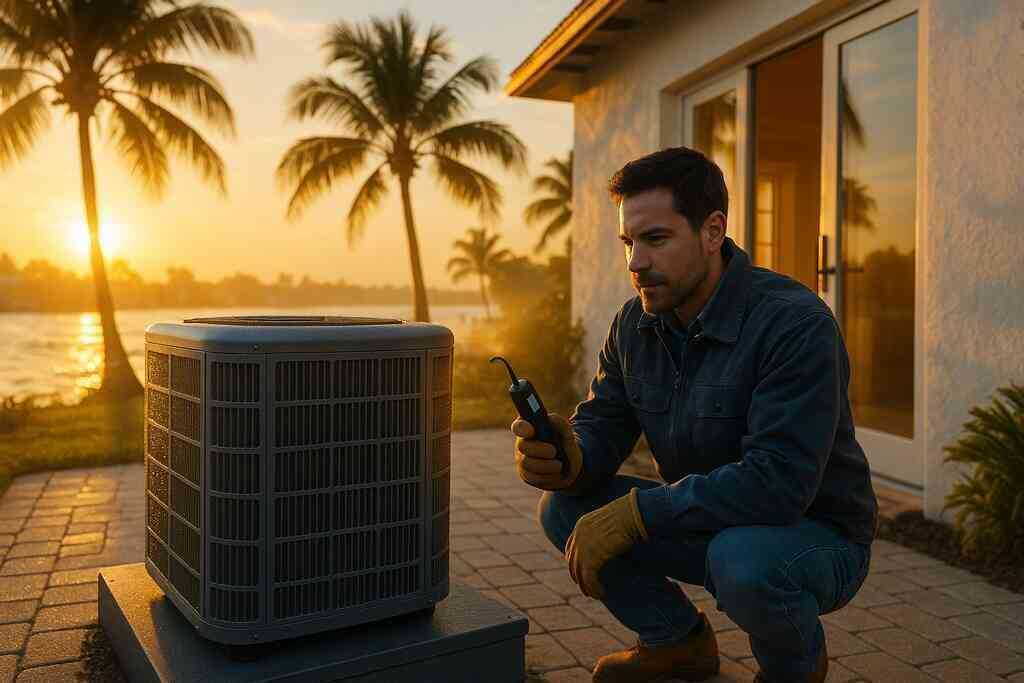
Winter HVAC Myths South Florida Homeowners Should Stop Believing
South Florida's mild winters fool a lot of homeowners into ignoring their HVAC systems until something goes wrong. This overview breaks down ten common misconceptions that local contractors encounter every season — and explains what the facts actually look like.
Why Winter HVAC Still Matters in South Florida
A dip into the fifties may not sound dramatic, but it creates real challenges indoors. Humidity swings, salt air corrosion, and poorly sealed homes all put stress on equipment that most residents assume is coasting through an easy season. Treating HVAC as a year-round priority — not just a summer concern — is the mindset that keeps systems running efficiently and repair bills manageable.
The Ten Myths, Explained
Myth 1: A Mild Climate Means You Don't Need Heating Equipment
Sixty-degree air with high humidity feels clammy and can trigger respiratory discomfort. Heat pumps running in reverse mode handle this effectively while also managing moisture. Skipping proper heating equipment often pushes residents toward inefficient space heaters, which cost more and cover less.
Myth 2: Cranking the Thermostat Up Heats the Home Faster
Setting the thermostat to a much higher temperature doesn't speed up the process — it forces the compressor into a long, high-intensity cycle. The system then overshoots the target and short-cycles back off. Gradual two-degree adjustments are more efficient and keep indoor temperatures stable.
Myth 3: Heat Pumps Can't Handle Cool Florida Nights
Modern variable-speed heat pumps work well below forty degrees Fahrenheit. They extract latent heat from humid outdoor air and deliver consistent warmth indoors without relying on electric resistance strips. When systems fail on cool nights, the problem is almost always incorrect sizing or deferred maintenance — not the technology itself.
Myth 4: Auxiliary Heat Means Your System Is Broken
Auxiliary or backup heat is a built-in feature, not a red flag. It engages when outdoor temperatures drop faster than the heat pump can recover. Frequent activation, however, does point to a real issue — usually low refrigerant, poor airflow, or a miscalibrated thermostat. A technician can identify which one quickly.
Myth 5: Ductwork Insulation Isn't Worth It in South Florida
Attic temperatures during winter can swing widely, and uninsulated ducts lose a significant amount of conditioned air before it reaches living spaces. Proper duct insulation pays for itself through lower energy consumption and more consistent room-to-room comfort.
Myth 6: You Only Need HVAC Maintenance Before Summer
Winter is actually an ideal time for maintenance. Technicians are less busy, parts are easier to schedule, and addressing small issues now prevents them from becoming expensive failures when peak cooling season arrives. Annual maintenance — not seasonal — is the professional standard.
Myth 7: Closing Vents in Unused Rooms Saves Energy
This is one of the most persistent myths in home comfort. Closed vents increase static pressure throughout the duct system, which strains the blower motor and reduces efficiency. It can also cause condensation and mold growth in sealed spaces. Leave vents open and let the system balance itself.
Myth 8: New Systems Don't Need Inspections
A new installation doesn't guarantee perfect performance. Duct leaks, improper refrigerant charge, and incorrect thermostat calibration can all exist from day one. A post-installation inspection confirms the system is actually performing at its rated efficiency.
Myth 9: Humidity Control Is Only a Summer Problem
Winter in South Florida still brings humid air, especially along the coast. Short-cycling systems during cooler months fail to run long enough to remove moisture effectively. Low-speed, longer run cycles dry the air gently and prevent condensation on windows, walls, and ductwork.
Myth 10: Smart Thermostats Are Just a Luxury Upgrade
Programmable and smart thermostats actively reduce energy waste by adjusting set points based on occupancy and time of day. In a climate with mild winter swings, the ability to avoid unnecessary heating cycles translates directly into lower utility costs.
What to Take Away From All of This
South Florida's winters are mild by most standards, but that doesn't mean HVAC systems get a free pass. Humidity, salt air, and brief cold snaps all create real demands on equipment. The homeowners who come out ahead are the ones who stay proactive — scheduling regular maintenance, understanding how their systems actually work, and not falling for the myths that lead to wasted energy and avoidable repairs.
If any of these misconceptions sounded familiar, it may be worth having a qualified local contractor take a closer look at your system before the next cold front moves through.
Top Ten Winter HVAC Myths South Florida Contractors Debunk


Comments
Post a Comment