Best Roofing Materials for South Florida Homes in 2026
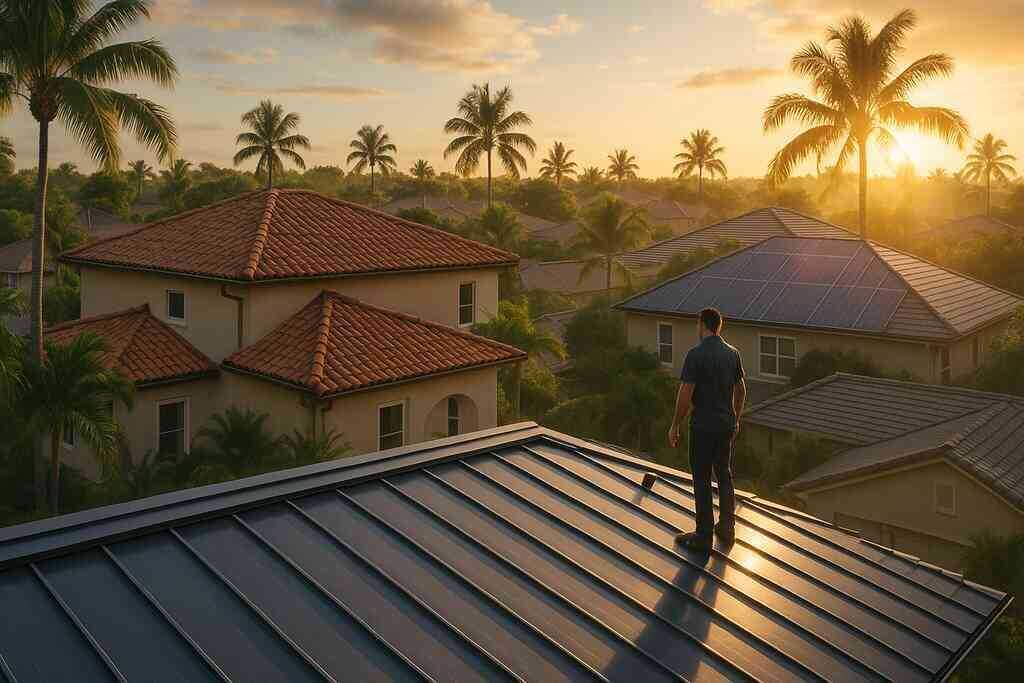
Best Roofing Materials for South Florida Homes in 2026
Choosing the right roofing material in South Florida is one of the most important decisions a homeowner can make. The region's intense sun, high humidity, and hurricane season create demands that most other climates simply don't. This overview breaks down the top eight roofing materials that local contractors are recommending in 2026, so you can make a well-informed decision.
Why South Florida Roofing Requires Special Attention
South Florida's climate is unlike most of the country. You're dealing with:
- Extreme UV exposure that degrades certain materials faster
- High humidity that can promote mold and moisture damage
- Hurricane-force winds that demand strong, wind-rated materials
- Year-round heat that drives up cooling costs if a roof isn't energy efficient
The right material doesn't just protect your home — it can meaningfully lower your energy bills and reduce long-term maintenance costs.
1. Asphalt Shingles
Asphalt shingles remain one of the most widely used roofing materials in the country, and for good reason. They offer solid weather resistance at an accessible price point. Modern architectural shingles come in a wide range of colors and textures, making it easy to match different home styles.
Typical lifespan: 20 to 30 years with regular maintenance. In Florida's climate, impact-resistant and high-wind-rated variants are strongly recommended.
2. Metal Roofing
Metal roofing has surged in popularity across South Florida, and it's easy to understand why. It reflects solar heat effectively, helping keep interior temperatures lower and reducing air conditioning load. Metal roofs can last 40 to 70 years with minimal upkeep.
Style options include standing seam panels, metal tiles, and corrugated sheets — so there's flexibility for both modern and traditional homes.
3. Clay Tile Roofing
Clay tiles are a signature look across South Florida and the wider Gulf Coast. Beyond aesthetics, they're remarkably durable. Clay tiles handle high winds well, resist fire, and are naturally resistant to insects and rot.
They do add significant weight to a roof structure, so proper engineering and installation are critical. When installed correctly, clay tile roofs can last 50 years or more.
4. Concrete Tile Roofing
Concrete tiles offer many of the same benefits as clay at a somewhat lower cost. They're heavy, dense, and excellent at withstanding hurricane conditions. They can also be molded and colored to mimic slate, wood shake, or clay tile, giving homeowners more aesthetic choices.
Like clay, proper structural support is essential. Lifespan often reaches 30 to 50 years.
5. Flat Roofing Systems (TPO and Modified Bitumen)
Many South Florida homes and commercial buildings feature flat or low-slope roofing. TPO (Thermoplastic Polyolefin) membranes are especially popular because they reflect UV radiation effectively and are highly resistant to punctures and tears.
Modified bitumen offers multiple layers of protection and handles thermal expansion well — important in Florida's heat. Both systems require professional installation and periodic inspections to maintain their integrity.
6. Slate Roofing
Natural slate is one of the most premium roofing materials available. It's fireproof, extremely durable, and carries a distinctive, upscale appearance. In ideal conditions, slate roofs can last 75 to 100 years.
The trade-off is cost and weight. Slate is among the more expensive roofing options and requires a reinforced roof deck. For high-end properties, it remains a top-tier choice.
7. Solar Roofing and Solar Panels
In 2026, solar roofing integration is more practical than ever. Integrated solar roof systems and panel-mounted options allow homeowners to generate electricity while maintaining a functional, weather-resistant roof. Florida's sun exposure makes this a particularly compelling investment.
Energy savings over time can offset the higher upfront cost significantly, especially as utility rates continue to rise.
8. Impact-Resistant Composite Shingles
Engineered composite shingles are designed specifically to handle harsh weather. They combine materials like polymer, rubber, and fiberglass to deliver impact resistance, UV stability, and moisture resistance in one product. Many carry Class 4 impact ratings — the highest available.
They're lighter than tile, easier to install than slate, and more durable than standard asphalt in extreme conditions.
How to Choose the Right Material for Your Home
There's no single best roofing material for every South Florida home. The right choice depends on:
- Your budget (both upfront and long-term maintenance costs)
- Your home's structural capacity (some materials require stronger framing)
- HOA or local code requirements
- Energy efficiency goals
- Desired lifespan and maintenance commitment
Consulting with a licensed South Florida roofing contractor is the best first step. A qualified professional can assess your home's specific needs, local wind zone requirements, and help you compare materials side by side.
Final Thoughts
South Florida roofing in 2026 offers more high-performance options than ever before. Whether you prioritize cost, longevity, energy savings, or curb appeal, there is a material on this list that fits your situation. Taking the time to research and plan your roofing investment now can save significant expense and stress down the road.
Top 8 Roofing Materials South Florida Contractors Recommend In 2026


Comments
Post a Comment