Commercial Construction Trends Reshaping South Florida in 2026
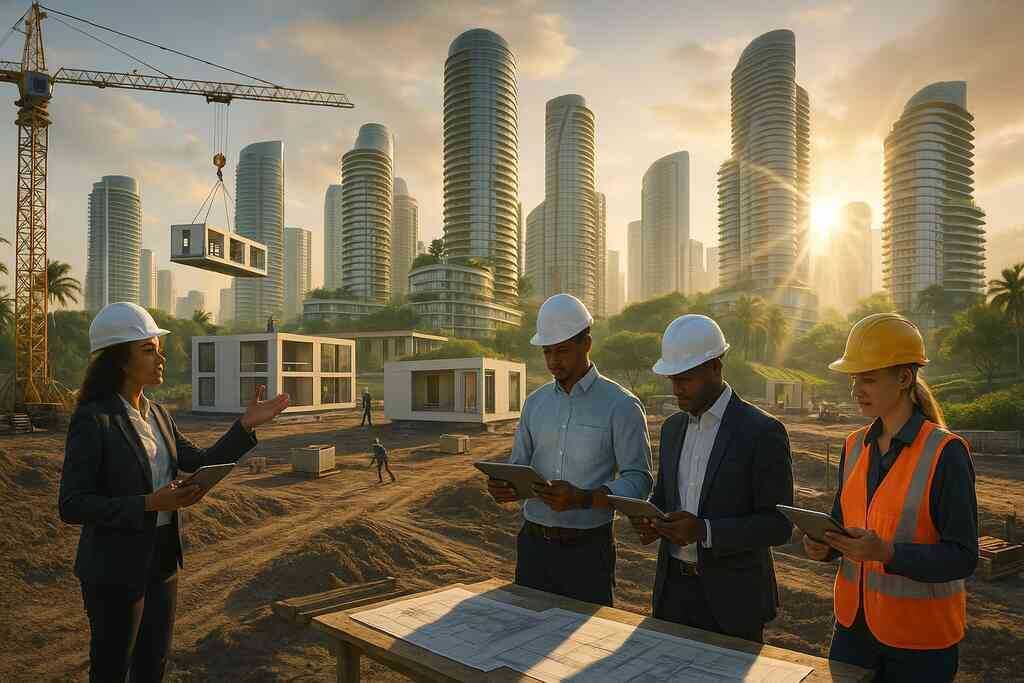
Commercial Construction Trends Reshaping South Florida in 2026
South Florida's commercial construction industry is moving fast in 2026, driven by sustainability demands, smarter technology, and a growing need for adaptable urban spaces. Understanding the key trends shaping this market helps developers, contractors, and business owners make better decisions about where the industry is heading.
1. Sustainability Is Now a Core Requirement
Eco-conscious building is no longer optional — it has become an industry expectation across South Florida's commercial sector.
Eco-Friendly Materials
Builders are increasingly selecting materials with lower environmental impact. Recycled metals, sustainably sourced wood, and low-emission composites are replacing traditional options. These choices reduce a building's carbon footprint while often improving long-term durability.
Green Building Certifications
Certifications like LEED are becoming standard benchmarks for commercial projects. Earning these designations signals a commitment to responsible building and also improves marketability. Many tenants and investors now actively look for certified properties when evaluating commercial real estate.
Energy-Efficient Design
Passive solar strategies, high-performance insulation, and efficient HVAC systems are working together to lower operational energy use. Roofing materials designed for heat reflection are especially valuable in South Florida's climate, where cooling costs can be significant. Passive cooling techniques are also gaining traction as a complement to mechanical systems.
2. Smart Building Technologies Are Becoming Standard
Building automation is no longer limited to high-end trophy properties. In 2026, smart systems are appearing across a broad range of commercial projects.
Building Automation Systems
Automated lighting, HVAC, access control, and security systems allow buildings to operate more efficiently with less manual oversight. These systems respond to occupancy and environmental conditions in real time, reducing waste and improving comfort for occupants.
Digital Construction Management Tools
Building Information Modeling (BIM) and other digital platforms have transformed how projects are planned and executed. These tools allow architects, engineers, and contractors to coordinate more effectively, catch design conflicts early, and reduce costly errors in the field. For any general contractor working on commercial projects in the region, digital fluency is increasingly a baseline expectation.
3. Resilient Design for a Demanding Climate
South Florida's geography presents unique construction challenges. Hurricanes, flooding, and intense heat demand building methods that go beyond standard codes.
Hurricane-Resistant Construction
Impact-resistant windows, reinforced roofing systems, and elevated foundations are now common features in commercial builds across the region. These are not just safety measures — they also protect long-term investment value and reduce insurance exposure.
Flood Mitigation Strategies
As sea levels and storm surge risks evolve, developers are incorporating better drainage systems, permeable surfaces, and elevated building pads. Addressing these issues during the design phase is far more cost-effective than retrofitting after the fact.
4. Mixed-Use and Adaptive Reuse Projects
Urban land is at a premium across South Florida, and developers are responding with creative solutions.
Mixed-Use Development
Combining retail, office, and residential uses within a single development creates vibrant, walkable spaces that serve multiple community needs. These projects tend to attract strong tenant interest and often align well with local zoning goals focused on reducing traffic and promoting density.
Adaptive Reuse
Repurposing older commercial buildings rather than demolishing them is gaining momentum. Converting former retail centers, warehouses, or office buildings into new uses saves on material costs, preserves embodied energy, and often qualifies for incentives. Cities across South Florida are encouraging this approach as a way to revitalize aging commercial corridors.
5. Workforce and Supply Chain Adaptations
The construction industry is actively responding to labor shortages and material availability challenges.
Prefabrication and Modular Construction
More commercial projects are incorporating prefabricated components manufactured off-site. This approach speeds up timelines, reduces on-site waste, and can improve quality control. As labor costs rise, prefabrication also helps manage overall project budgets.
Local Sourcing and Supply Chain Resilience
Contractors are building more redundancy into their supply chains, sourcing materials from regional suppliers where possible. This reduces exposure to shipping delays and helps keep project timelines on track.
What This Means for the South Florida Market
These five trends are not operating in isolation. They reinforce one another. A smart building designed for energy efficiency and built with sustainable materials — and constructed using modular techniques — represents the direction the entire market is heading.
For anyone involved in commercial construction in South Florida right now, staying current with these shifts is essential. Working with contractors who are already fluent in these practices gives any project a stronger foundation for success.
This overview covers the major forces driving the market forward. The full breakdown explores each trend in greater depth and connects these insights to practical decisions developers and contractors face on the ground.
Top 5 Commercial Construction Trends in South Florida for 2026


Comments
Post a Comment