Comparing Plumbers and General Contractors in South Florida
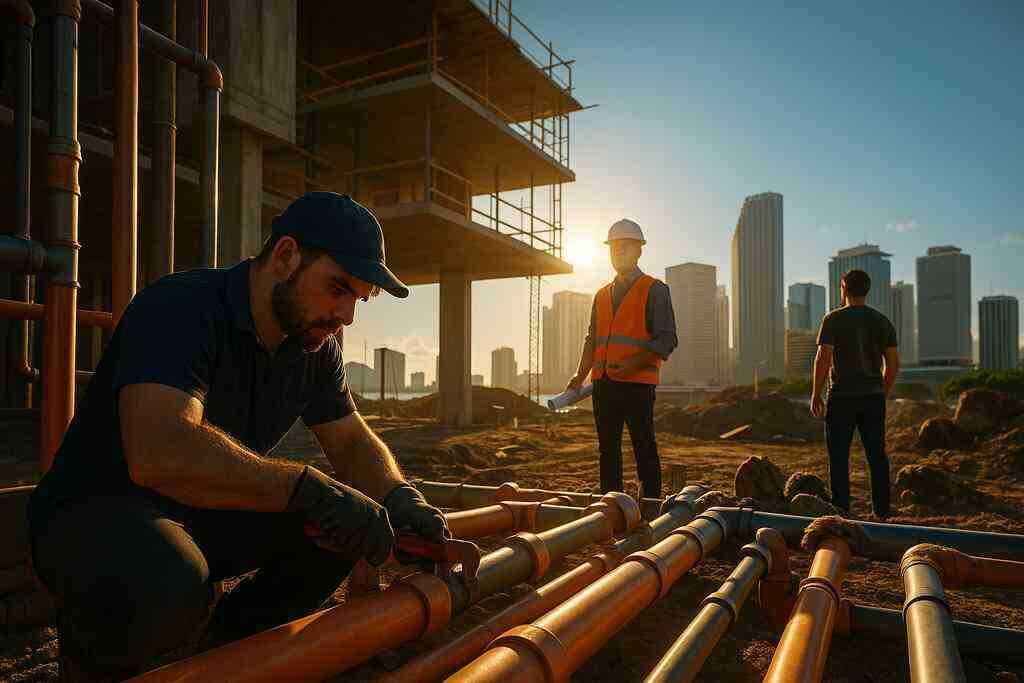
Comparing Plumbers and General Contractors in South Florida
Choosing the right professional for a construction or plumbing project in South Florida can feel overwhelming. This overview breaks down the key differences between licensed plumbers and general contractors, helping you make a more informed decision.
Understanding the Core Difference
Plumbers and general contractors serve very different purposes, even though both play important roles in construction and home improvement.
Plumbers are specialists. Their work focuses on water systems, drainage, pipe installation, leak repairs, and related tasks. When something goes wrong with your water supply or sanitation system, a licensed plumber is the right call.
General contractors take a broader approach. They manage entire construction projects, coordinating with multiple tradespeople — including plumbers, electricians, and carpenters — to bring a project from concept to completion.
Knowing this distinction upfront saves time and money. Hiring a general contractor to fix a leaking pipe is unnecessary. Hiring only a plumber to oversee a full home remodel creates serious gaps in oversight.
What Licensed Plumbers Offer in South Florida
South Florida's licensed plumbers handle a wide range of tasks for both residential and commercial properties. Here is what you can typically expect:
- Pipe installation and repair for new construction or aging systems
- Leak detection and emergency services, often available outside normal business hours
- Water heater installation and maintenance
- Bathroom and kitchen plumbing for renovations
- Drain cleaning and sewer line services
Licensed plumbers in this region are required to meet strict state and local standards. That licensing is your assurance that their work will meet code and hold up over time. Always verify that any plumber you hire carries the appropriate Florida license before work begins.
What General Contractors Bring to the Table
General contractors are project managers at their core. They are responsible for the full lifecycle of a construction project, which includes:
- Planning and permitting — ensuring the project complies with local building codes
- Subcontractor coordination — hiring and supervising specialists like plumbers and electricians
- Budget and timeline management — keeping the project on track financially and logistically
- Quality control — ensuring each phase of construction meets required standards
- Final inspections — overseeing closeout and compliance verification
In South Florida's competitive construction market, experienced general contractors are especially valuable for larger projects. Residential remodels, additions, and commercial builds all benefit from centralized project management.
Residential vs. Commercial: Why Specialization Matters
Not all contractors are equally suited for every type of project. South Florida has a mix of residential neighborhoods, luxury developments, and busy commercial corridors. Each comes with distinct requirements.
Residential projects prioritize comfort, design, and livability. Contractors working in this space need to balance aesthetics with structural integrity and local zoning rules.
Commercial projects demand attention to occupancy codes, ADA compliance, durability under heavy use, and often more complex permitting processes.
When evaluating any contractor — plumber or general — ask specifically about their experience with your project type. A plumber who primarily works on new construction may not be the best fit for historic home restoration. Similarly, a general contractor focused on commercial builds may not understand the nuances of residential design expectations.
Licensing, Compliance, and Why It Matters
Florida has some of the more rigorous contractor licensing requirements in the country. This is particularly relevant in South Florida, where weather conditions, building density, and code standards are demanding.
Before hiring anyone, take these steps:
- Verify the license through Florida's Department of Business and Professional Regulation
- Check for insurance — both general liability and workers' compensation coverage are essential
- Ask about permits — a reputable contractor will pull the necessary permits, not skip them
- Review past projects — ask for references or examples of comparable work
Skipping any of these steps can lead to costly problems, including failed inspections or liability issues if something goes wrong on the job.
How to Evaluate and Compare Your Options
Once you understand the roles involved, comparing professionals comes down to a few practical factors:
- Scope of work — Is this a specialized plumbing task or a broader construction project?
- Experience level — How many similar projects have they completed in South Florida specifically?
- Licensing and insurance — Are all credentials current and verifiable?
- Communication style — Do they explain their process clearly and respond promptly?
- Written estimates — Get detailed quotes in writing before any work begins
It can be helpful to use a local contractor directory to compare multiple professionals side by side. South Florida has a well-developed network of licensed contractors, making it easier than ever to find qualified options in your area.
Final Thoughts
The decision between hiring a plumber and a general contractor is not always obvious, but it starts with clearly defining your project's scope. For targeted plumbing work, a licensed plumber is the right specialist. For complex construction projects that involve multiple trades, a general contractor provides the coordination and oversight that keeps everything running smoothly.
In South Florida's active construction market, taking the time to verify credentials, compare experience, and get written estimates goes a long way toward a successful outcome.
How to Compare Plumbers and General Contractors in South Florida


Comments
Post a Comment