Energy-Efficient Roofing Tactics South Florida Contractors Use in Winter
Energy-Efficient Roofing Tactics South Florida Contractors Use in Winter
South Florida roofing in winter is not as simple as it sounds. The region's mix of intense sun, high humidity, and occasional cool spells creates unique challenges that require thoughtful, climate-specific solutions. This overview covers the key tactics contractors in South Florida prefer when optimizing roofs for energy efficiency during the cooler months.
Why Winter Roofing Efficiency Matters in South Florida
Most people assume energy-efficient roofing is only a summer concern in Florida. In reality, winter months bring their own set of issues. Even mild temperature drops can cause energy loss if a roof lacks proper insulation or ventilation. Combined with high air conditioning use that extends well into the season, an inefficient roof can quietly drive up energy costs month after month.
South Florida contractors understand these nuances. Their approach focuses on materials and systems that perform consistently across the region's variable conditions — not just during peak heat.
Sustainable Roofing Materials Worth Knowing About
The choice of roofing material has a direct impact on energy performance. Contractors in the region frequently recommend:
- Recycled metal roofing — durable, reflective, and low-maintenance
- Clay and concrete tiles — excellent thermal mass that slows heat transfer
- Cool roofing membranes — flat-roof solutions engineered to reflect sunlight
These materials reduce the amount of heat absorbed through the roof, which keeps interior temperatures more stable. That stability means HVAC systems work less, which leads to lower energy bills over time.
Reflective Roof Coatings: Simple But Effective
One of the most practical upgrades a homeowner can make is applying a reflective roof coating. These coatings are designed to bounce sunlight away from the surface rather than absorbing it. The result is a cooler attic space and a more comfortable interior.
In South Florida's climate, where sunlight is strong even in winter, reflective coatings provide year-round benefits. They are especially useful on flat or low-slope roofs that receive direct sun exposure throughout the day. Application is relatively straightforward, and the energy savings can be noticeable fairly quickly.
Advanced Insulation for Heat Retention
Insulation is often overlooked in warm climates, but it plays a critical role in winter energy efficiency. Good insulation keeps conditioned air inside and prevents temperature swings caused by cooler overnight temperatures.
Contractors in South Florida commonly use:
- Spray foam insulation — creates an air-tight seal and covers irregular surfaces
- Rigid foam boards — ideal for flat roofs and retrofit applications
- Reflective insulation barriers — work well beneath roofing materials to block radiant heat
The right insulation choice depends on the roof type, existing structure, and the homeowner's energy goals. A qualified contractor can assess which option delivers the best return.
Roof Ventilation Systems That Regulate Temperature
Proper ventilation is essential for any energy-efficient roofing system. Without it, heat and moisture build up in the attic space, putting stress on both the roofing materials and the home's HVAC system.
Effective ventilation allows warm, humid air to escape while drawing in cooler air from outside. This natural airflow reduces the thermal load on the roof and helps prevent moisture-related damage like mold and wood rot. In winter, a well-ventilated roof also prevents condensation issues that can develop when warm interior air meets cooler roof decking.
Thermal Barriers: An Added Layer of Protection
Thermal barriers are reflective layers installed beneath or within the roofing assembly. They act as a shield against temperature changes, slowing the transfer of heat in either direction. During winter nights when temperatures dip, these barriers help retain warmth inside the home.
Many South Florida contractors include thermal barriers as a standard part of new roof installations or major retrofits. The upfront cost is modest compared to the long-term comfort and efficiency gains.
Solar Panel Integration for Long-Term Savings
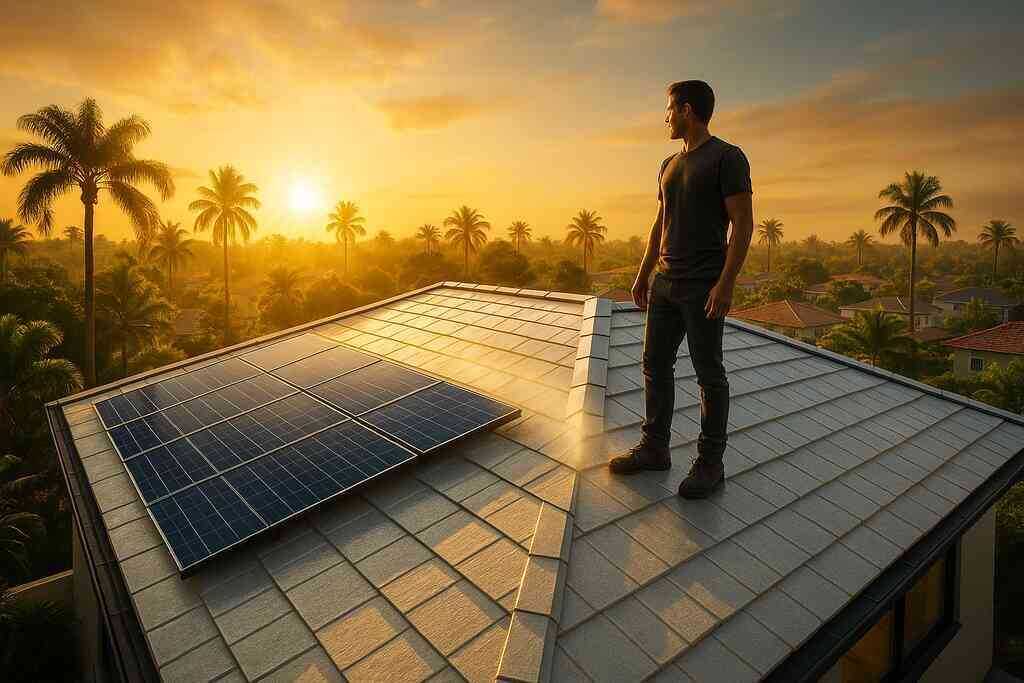
For homeowners looking to go further, integrating solar panels into the roofing system is a well-established option. Panels capture sunlight and convert it to usable energy, reducing dependence on the grid and lowering monthly utility costs.
Proper placement is key. Experienced contractors evaluate roof angle, shade patterns, and structural capacity before recommending a panel layout. When done correctly, solar integration adds both energy value and property value.
Putting It All Together
The most effective winter roofing strategies in South Florida combine multiple elements — quality materials, reflective coatings, solid insulation, ventilation, and in some cases, solar energy. No single solution works for every home, which is why working with a contractor who understands the local climate is so important.
In 2026, energy efficiency continues to be a priority for homeowners across the region. The good news is that the tools and techniques to achieve it are well-established, proven, and increasingly accessible.
Winter Energy Roof Tactics South Florida Contractors Prefer


Comments
Post a Comment