Exterior Paint and Stucco Tips for South Florida Homes
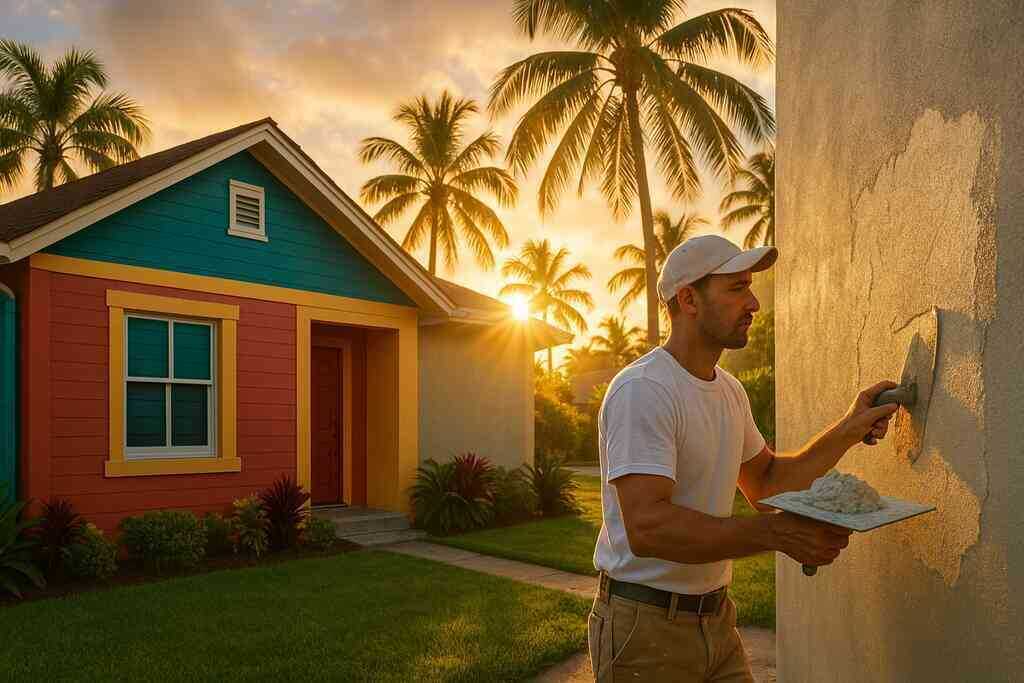
Exterior Paint and Stucco Tips for South Florida Homes
Keeping a home's exterior in top condition in South Florida means dealing with intense sun, high humidity, frequent rain, and the constant threat of mold. This overview covers six practical tips from experienced South Florida contractors to help homeowners make smarter choices about exterior paint and stucco.
Why South Florida Is Different
The subtropical climate in South Florida is not forgiving to poorly chosen exterior finishes. UV radiation fades paint quickly. Humidity causes moisture to seep into surfaces, leading to peeling, bubbling, and mold. Seasonal storms can expose weak points in stucco and coatings. Understanding these conditions is the first step toward making decisions that hold up long-term.
1. Choose UV-Resistant Paint From the Start
Sunlight in South Florida is relentless year-round. Standard exterior paints tend to fade and degrade faster here than in cooler or less sunny climates.
Look for paints with advanced UV-resistant formulations. These are specifically engineered to maintain color and surface integrity under prolonged sun exposure. Choosing the right product from the start reduces how often you need to repaint and keeps your home looking sharp longer.
2. Prioritize Moisture Protection
Humidity is one of the biggest threats to any exterior paint job in this region. Paint that cannot handle moisture will start to peel, crack, or allow water intrusion within a few years — sometimes sooner.
When selecting paint, focus on:
- High adhesion formulas that bond tightly to surfaces
- Waterproof or water-resistant properties
- Products specifically rated for humid or coastal environments
Proper surface preparation before painting also plays a major role. Clean, dry, and properly primed surfaces give paint the best chance to perform well over time.
3. Consider Energy-Efficient Reflective Paints
Reflective or "cool roof" style paints are gaining traction in South Florida because of how they handle heat. These paints are designed to bounce sunlight away from the surface rather than absorbing it.
The practical benefit is a cooler home interior, which reduces the load on air conditioning systems. In a climate where cooling costs are a significant part of household expenses, this kind of energy-efficient exterior solution can make a noticeable difference on monthly bills. It is also a step toward a more sustainable home.
4. Inspect and Repair Stucco Cracks Early
Stucco is a popular exterior finish in South Florida, but it requires regular attention. Small cracks may seem minor, but they allow water to penetrate the surface. Over time, that moisture causes serious structural damage that is far more expensive to fix.
Contractors recommend:
- Inspecting stucco at least once a year, ideally before hurricane season
- Addressing cracks promptly using compatible patching materials
- Sealing repaired areas thoroughly to prevent future moisture intrusion
Catching problems early keeps repair costs manageable and extends the overall lifespan of the stucco finish.
5. Use Mold-Resistant Coatings on Stucco Surfaces
Mold and mildew thrive in warm, humid conditions. Stucco surfaces are especially vulnerable because they are porous and can trap moisture. Left untreated, mold growth degrades the surface and can eventually affect indoor air quality.
Applying mold-resistant coatings is a straightforward way to reduce this risk. These coatings form a protective layer over the stucco that inhibits mold growth even in consistently humid conditions. For homes near the coast or in areas with frequent rain, this step is not optional — it is a necessity.
6. Select the Right Stucco Texture for Your Climate and Style
Stucco is not a one-size-fits-all material. It comes in a range of textures, from smooth finishes to rougher, more textured profiles. The texture you choose affects both the visual appeal and the practical performance of the surface.
Smooth finishes tend to show imperfections more easily but can be easier to clean. Rougher textures offer more visual depth and can be more forgiving over time. In South Florida, contractors often recommend textures that allow for easier maintenance and better moisture management.
Beyond durability, the right texture can complement the architectural style of your home and improve overall curb appeal.
Final Thoughts
Maintaining a home exterior in South Florida requires more than a coat of paint every few years. The climate demands intentional product choices, regular inspections, and a proactive approach to issues like moisture and mold. By applying these six tips, homeowners can protect their investment, improve energy efficiency, and keep their property looking its best through whatever the Florida weather brings.
Top 6 Exterior Paint And Stucco Tips From South Florida Contractors


Comments
Post a Comment