Flooring Myths South Florida Homeowners Should Stop Believing
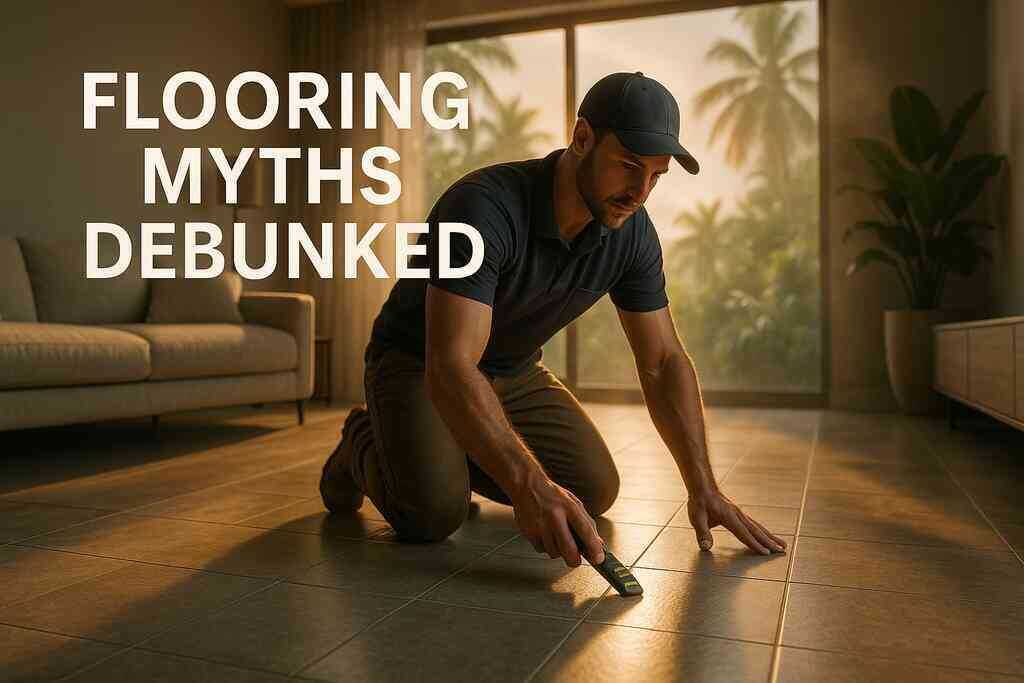
Flooring Myths South Florida Homeowners Should Stop Believing
Flooring decisions are more complex in South Florida than in most other parts of the country. The region's heat, humidity, and coastal conditions create a unique environment where the wrong choice can lead to warped floors, mold growth, and costly replacements. South Florida contractors regularly encounter homeowners who base their decisions on outdated assumptions or widespread myths. This overview breaks down the most common flooring misconceptions and replaces them with practical, expert-backed facts.
Myth 1: All Flooring Handles Humidity the Same Way
This is one of the most damaging myths in the industry. Not all flooring materials respond equally to moisture. Hardwood, while visually appealing, can swell, warp, and crack when exposed to South Florida's humidity levels. Ceramic tile, luxury vinyl, and moisture-resistant engineered wood are far better suited to the region's tropical climate.
Choosing the wrong material without considering humidity is one of the fastest ways to compromise your floor's lifespan.
Myth 2: Cheaper Materials Look Just as Good Long-Term
Budget flooring options may look attractive at the point of sale, but they often fall short in durability and appearance over time. Low-cost materials tend to show wear faster, fade under UV exposure, and require more frequent replacement. In the long run, investing in quality materials typically costs less than cycling through cheaper alternatives.
Myth 3: DIY Installation Works for Any Flooring Type
Some flooring projects are genuinely DIY-friendly. Others are not. Large-format tile, floating hardwood, and complex pattern installations require professional-level precision. Improper installation can void manufacturer warranties and lead to uneven surfaces, lifting edges, and moisture infiltration. Professional installation also ensures proper subfloor preparation, which is critical in humid climates.
Myth 4: Hardwood Is Always the Superior Choice
Hardwood floors are beautiful and add real value to a home. However, in South Florida, they come with significant maintenance demands. Solid hardwood is particularly vulnerable to moisture fluctuations. Engineered hardwood or luxury vinyl plank can offer a similar aesthetic with better practical performance in this climate.
Myth 5: Luxury Vinyl Is Just a Cheap Imitation
This myth is outdated. Today's luxury vinyl flooring has advanced significantly in both appearance and durability. It closely replicates the look of hardwood and natural stone while offering superior resistance to moisture, scratches, and heavy foot traffic. For households with children, pets, or high-traffic areas, luxury vinyl is often the smarter choice.
Myth 6: Tile Is Too Cold and Uncomfortable
Tile has a reputation for being cold and hard underfoot. In South Florida's warm climate, that quality can actually be an advantage. Tile stays naturally cool, reducing the need for air conditioning during hot months. Pairing tile with area rugs or radiant heating systems addresses comfort concerns without sacrificing the material's practical benefits.
Myth 7: Eco-Friendly Flooring Is Too Expensive
Sustainable flooring options have become far more accessible in 2026. Bamboo, cork, and reclaimed wood are widely available at competitive price points. These materials reduce environmental impact while delivering solid durability and appealing aesthetics. Many eco-friendly options also contribute to better indoor air quality, which is a meaningful benefit for families.
Myth 8: Dark Flooring Is Always More Elegant
Dark flooring can look stunning, but it shows dust, pet hair, and scratches more readily than lighter tones. In South Florida, lighter floors also reflect more natural light and help keep interiors feeling cooler. The best choice depends on your lifestyle, maintenance habits, and the specific room's lighting conditions.
Myth 9: Flooring Codes and Regulations Don't Matter for Residential Projects
Coastal Florida has specific building codes that affect flooring material choices, particularly in flood-prone zones. Ignoring these regulations can affect insurance coverage, resale value, and even legal compliance. Working with a licensed local contractor helps ensure your flooring selection meets all applicable codes.
Myth 10: Once Installed, Flooring Requires Little Maintenance
Every flooring type requires some level of upkeep. Tile grout needs periodic sealing. Hardwood requires humidity control and occasional refinishing. Even luxury vinyl benefits from regular cleaning and protection from heavy furniture. Understanding the maintenance requirements before installation helps set realistic expectations and extends the floor's life.
Making Smarter Flooring Decisions in South Florida
The flooring myths above are common, but they are avoidable. South Florida's climate, coastal regulations, and lifestyle demands make material selection genuinely important. Consulting with an experienced local contractor before making a final decision is one of the most practical steps any homeowner can take.
The right floor balances aesthetics, durability, moisture resistance, and long-term cost. Getting that balance right starts with separating fact from fiction.
Top Ten Flooring Myths South Florida Contractors Bust 2026


Comments
Post a Comment