How South Florida Contractors Are Building Net Zero Homes
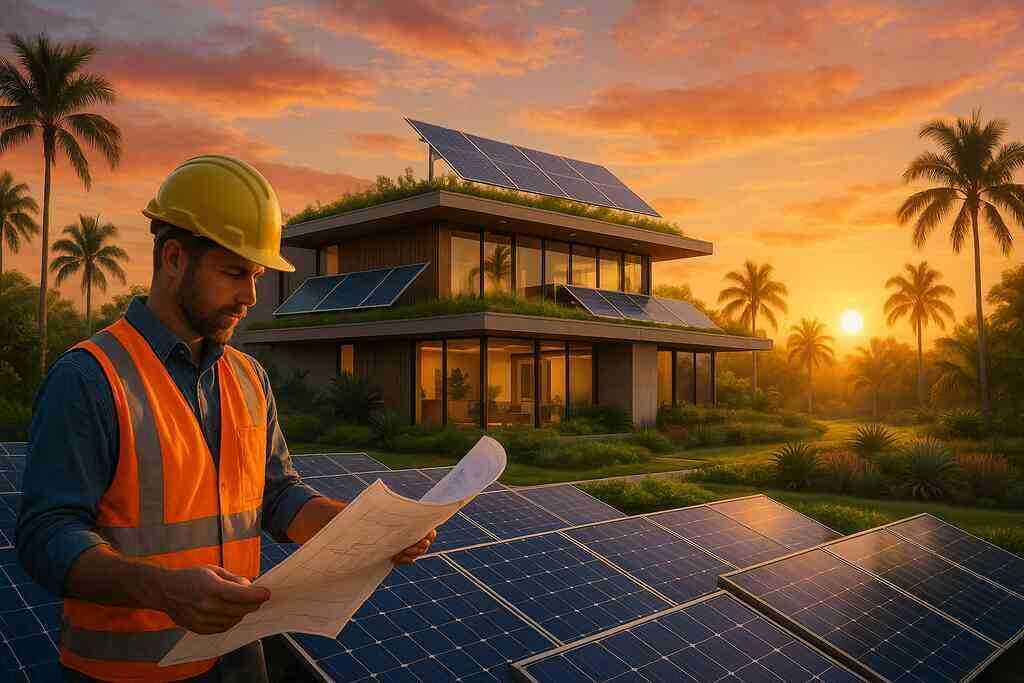
How South Florida Contractors Are Building Net Zero Homes
Net zero construction is reshaping how homes and commercial buildings are designed and built across South Florida. For contractors working in this region, understanding the preconstruction strategies behind net zero projects is becoming an essential part of delivering modern, resilient, and energy-efficient structures.
What Net Zero Construction Actually Means
A net zero building produces roughly as much energy as it consumes over the course of a year. This is achieved through a combination of energy-efficient design, renewable energy systems, and smart material choices. The goal is a neutral carbon footprint — where what the building takes from the grid is balanced by what it gives back.
This is not simply about adding solar panels at the end of a project. True net zero outcomes are built into the planning process from the very beginning.
Why South Florida Is a Strong Candidate for Net Zero
South Florida's climate presents both challenges and opportunities. Intense heat, high humidity, hurricane risks, and rising sea levels demand construction that is both durable and efficient. Net zero principles align well with these demands because:
- Energy-efficient designs reduce cooling loads in a consistently hot climate
- Resilient materials and techniques better withstand storm impacts
- Sustainable site planning can account for flooding and coastal risks
- Abundant sunshine makes solar energy integration highly practical
Contractors who understand this regional context are better equipped to deliver projects that perform well over the long term.
Core Preconstruction Strategies for Net Zero Projects
1. Passive Solar Design and Building Orientation
One of the most cost-effective strategies starts before a single material is ordered. Building orientation and layout can be optimized during design to take advantage of natural light and reduce heat gain. South-facing windows, roof overhangs, and strategic shading all contribute to lower energy demand without adding mechanical complexity.
This passive approach reduces the size of HVAC systems needed, which in turn lowers both upfront and long-term costs.
2. Energy-Efficient HVAC Planning
In South Florida, cooling systems are one of the largest contributors to energy use. During preconstruction, contractors and designers work together to size HVAC systems correctly and select units with high efficiency ratings. Proper duct layout and air sealing are also planned at this stage to minimize energy loss.
Well-planned HVAC systems reduce operating costs significantly over the life of the building.
3. Renewable Energy Integration
Solar photovoltaic panels are the most common renewable energy solution used in South Florida net zero projects. Their integration requires planning for roof load capacity, panel orientation, inverter placement, and battery storage options. Some projects also incorporate small wind systems or geothermal solutions, depending on site conditions.
The key is tailoring the system to the specific energy demands and layout of each project rather than applying a generic template.
4. Eco-Friendly and High-Performance Materials
Material selection during preconstruction directly affects a building's energy performance and environmental footprint. Common choices in net zero projects include:
- Recycled steel for structural framing
- Bamboo and sustainably harvested wood products
- Spray foam or rigid insulation for high thermal performance
- Low-VOC finishes and sealants for healthier indoor air quality
- Rammed earth or compressed block for thermal mass in appropriate applications
Many of these materials are locally sourced, which reduces transportation-related emissions and supports regional suppliers.
5. Water Conservation Planning
Sustainable preconstruction also addresses water use. Low-flow plumbing fixtures, greywater recycling systems, and rainwater harvesting are all planned during early project phases. In a region prone to drought conditions and water supply constraints, these measures add practical value alongside their environmental benefits.
The Contractor's Role in Getting It Right
South Florida contractors who specialize in green building serve as more than just builders. During preconstruction, they coordinate between architects, engineers, and material suppliers to ensure every system works together toward net zero goals. They also help navigate local permitting requirements, which increasingly reflect sustainability standards.
Experienced contractors vet new materials carefully, ensuring that eco-friendly options meet both performance and code requirements. This due diligence during the planning phase prevents costly adjustments later in the project.
Looking Ahead in 2026
In 2026, net zero construction is no longer a niche concept in South Florida — it is a growing expectation among informed property owners and developers. As energy costs rise and climate pressures intensify, the business case for net zero preconstruction continues to strengthen.
For contractors and property owners alike, investing the time and expertise in thorough preconstruction planning is the most reliable path to buildings that are efficient, resilient, and genuinely sustainable.
Net Zero Preconstruction Means for South Florida Contractors


Comments
Post a Comment