How South Florida Contractors Build Hurricane-Ready Roofs
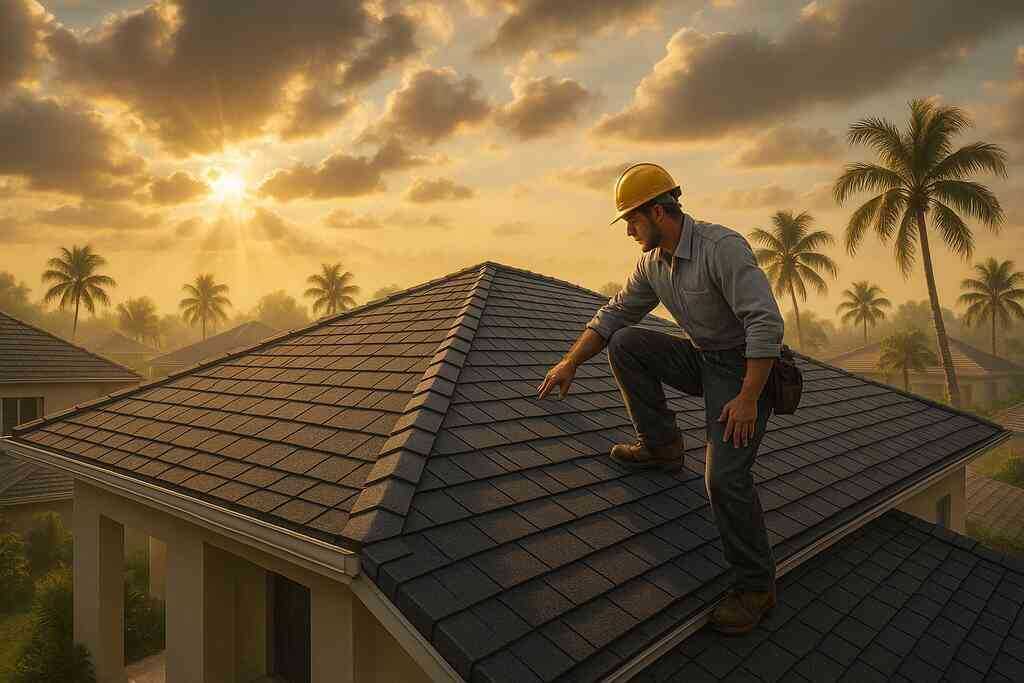
How South Florida Contractors Build Hurricane-Ready Roofs
Hurricane-ready roofing is one of the most important investments a South Florida homeowner can make. With an active hurricane season threatening the region every year, understanding how contractors design and build storm-resistant roofs can mean the difference between minor repairs and catastrophic loss.
Why Standard Roofs Fall Short in South Florida
South Florida's climate is uniquely demanding. High winds, torrential rain, and flying debris put enormous stress on roofing systems that were not designed with hurricanes in mind.
Standard roofs often fail because of:
- Inadequate anchoring that allows wind uplift to peel the roof away from the structure
- Weak materials that crack or break under impact from debris
- Poor water barriers that allow moisture to infiltrate once the outer layer is compromised
When a roof fails during a storm, the entire home becomes vulnerable. Water intrusion, structural damage, and mold can follow quickly. That is why local contractors approach roofing in South Florida with a fundamentally different mindset than builders in other regions.
Choosing the Right Materials for Storm Protection
Material selection is the foundation of any hurricane-ready roof. Contractors in the region typically focus on options that combine strength, flexibility, and weather resistance.
Metal Roofing
Metal roofing is one of the most popular choices for storm resistance. It handles high winds well, resists impact, and has a long service life. Properly installed metal roofs can withstand wind speeds well beyond what standard asphalt shingles can tolerate.
Impact-Resistant Shingles
Impact-resistant shingles are engineered to absorb and deflect the force of wind-driven debris. They are rated according to standardized impact tests, giving homeowners a clear benchmark when comparing options. For South Florida homes, these shingles are considered a practical necessity rather than an upgrade.
Concrete and Clay Tiles
Tile roofing is common throughout South Florida for good reason. When properly installed with the right underlayment and fastening systems, concrete and clay tiles offer excellent durability. Their mass helps them resist wind forces, though proper attachment is critical.
Wind-Resistant Design and Engineering
The materials used are only part of the equation. How a roof is designed and built has just as much impact on its storm performance.
Contractors use several key engineering strategies:
- Interlocking shingle or tile systems that reduce the chance of individual pieces lifting
- Aerodynamic roof shapes that reduce wind pressure on vulnerable edges and ridges
- Reinforced attachment points that anchor the roofing material more securely to the deck
These design principles are not theoretical. They are drawn from decades of observing how roofs perform — and fail — during actual storms in South Florida.
Structural Reinforcement Techniques
Even the best materials will fail if the underlying roof structure is not reinforced properly. Experienced contractors apply a range of techniques to strengthen the entire roofing system.
Hurricane Straps and Tie-Downs
Hurricane straps are metal connectors that link the roof framing directly to the wall structure below. This connection resists the uplift forces that hurricanes generate, which can otherwise lift an entire roof section off a home.
Enhanced Nailing Patterns
Increasing the number and placement of fasteners across the roof deck significantly improves wind resistance. Contractors follow specific nailing schedules that go beyond minimum code requirements to provide additional protection.
Roof Deck Upgrades
A strong roof deck is essential. Using thicker plywood or OSB panels and securing them with ring-shank nails creates a more rigid surface that resists wind penetration from below.
Waterproof Membranes: Stopping Water Before It Starts
Wind is not the only threat during a hurricane. Heavy, sustained rainfall creates enormous pressure on any weak point in a roofing system.
Waterproof roofing membranes are applied beneath the outer roofing layer as a secondary barrier. They cover joints, seams, vents, and other penetration points where water commonly enters. In South Florida, contractors treat these membranes as a non-negotiable layer of protection rather than an optional addition.
A properly installed membrane can keep a home dry even when the outer roofing surface is damaged by a storm.
Coastal Building Codes and Compliance
South Florida has some of the most stringent building codes in the country, particularly for roofing in coastal and high-wind zones. These codes reflect lessons learned from past storm seasons and set minimum standards for materials, fastening, and design.
Working with a contractor who is thoroughly familiar with local coastal building codes is essential. Compliance is not just about passing inspection — it directly affects how well a roof performs when a major storm arrives.
Practical Takeaways for Homeowners
If you are evaluating your current roof or planning a replacement, keep these points in mind:
- Age matters. Older roofs built before current code standards may lack critical reinforcement features.
- Inspect after every season. Small issues like lifted tiles or cracked shingles can become serious vulnerabilities in a storm.
- Ask about materials and methods. A reputable contractor should be able to explain exactly how your roof is designed to handle high winds and heavy rain.
- Don't overlook the underlayment. The waterproof membrane beneath the outer layer is just as important as the visible surface material.
Building or upgrading a roof in South Florida is a long-term investment in safety and structural integrity. The right combination of materials, engineering, and skilled installation creates a roofing system that can protect a home through many hurricane seasons to come.
Guide to Hurricane Ready Roofs by South Florida Contractors
Comments
Post a Comment