How to Get a Deck Construction Permit in West Palm Beach
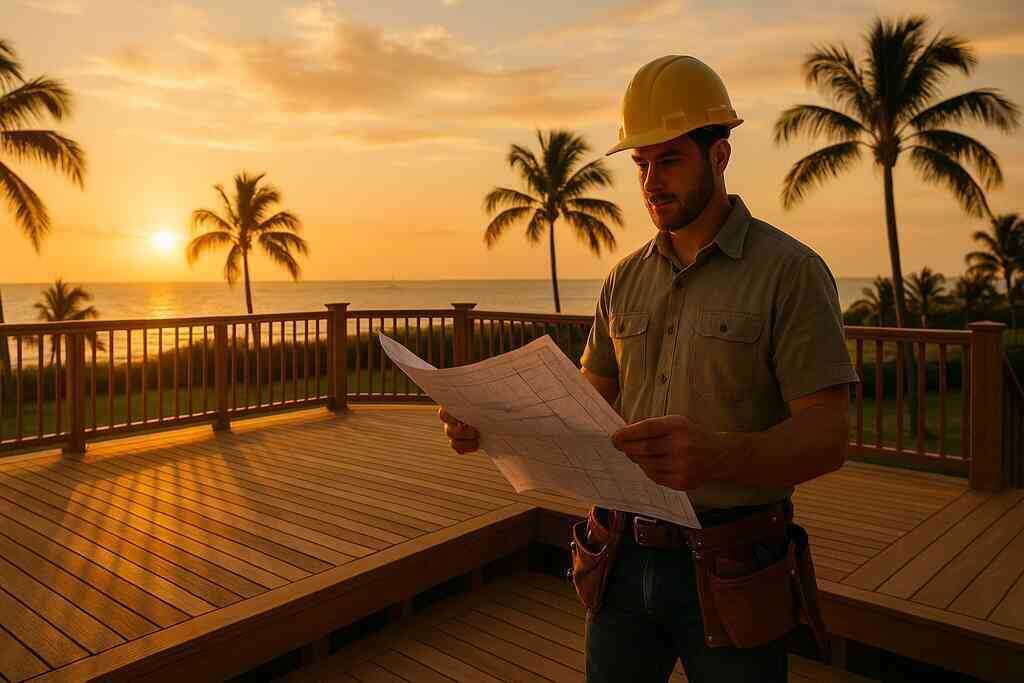
How to Get a Deck Construction Permit in West Palm Beach
Building a deck in West Palm Beach involves more than choosing the right materials and design. Before any construction begins, you need a valid permit — and understanding the process from start to finish can save you significant time, money, and frustration.
This overview breaks down everything homeowners need to know about deck construction permits in West Palm Beach, including why they matter, how to apply, what codes apply, and how to keep your project on schedule.
Why Deck Permits Are Not Optional
Some homeowners assume permits are a formality they can skip. In West Palm Beach, that assumption comes with serious consequences.
An unpermitted deck can result in:
- Fines from the city that accumulate quickly
- Mandatory removal of the structure at your own expense
- Complications when selling your home, since unpermitted work must be disclosed
- Insurance gaps if the deck is involved in an accident or storm damage
Permits exist to protect you. They confirm that your deck meets local building codes designed to ensure structural safety and neighborhood standards. The inspection process that follows approval gives you an independent verification that the work was done correctly.
Understanding West Palm Beach Deck Construction Rules
West Palm Beach follows Florida's building code framework, with additional local zoning requirements layered on top. Before you draft any plans, it helps to understand the major categories of rules that apply.
Setbacks and Placement
Zoning codes define how close a deck can be to your property lines, the main structure, and any easements. Setback requirements vary depending on your zoning district, so checking with the local building department early prevents redesign later.
Height and Size Restrictions
Decks above a certain height require additional structural review. Elevated decks — especially those attached to the home — face stricter scrutiny because of the increased risk if something fails.
Approved Materials
Not every material is acceptable under South Florida's building codes. Given the region's humidity, salt air, and hurricane exposure, the codes favor materials with proven durability. Pressure-treated lumber, composite decking rated for coastal environments, and corrosion-resistant hardware all tend to meet code. Always confirm material choices before purchasing.
The Permit Application Process: Step by Step
Navigating the application process is straightforward when you know what to expect.
Step 1: Prepare your documentation.
You will need detailed construction drawings that show the deck's dimensions, framing plan, attachment method (if attached to the house), footing design, and proposed materials. The more complete your submission, the faster the review.
Step 2: Submit to the local building department.
West Palm Beach handles permit applications through its building division. Applications can often be submitted online or in person. Include all required forms, the construction drawings, and any supporting documents.
Step 3: Plan review.
A plans examiner reviews your submission for code compliance. This review may take a few days to several weeks depending on the department's workload and the complexity of your project.
Step 4: Respond to any comments.
If the reviewer identifies issues, you will receive a list of required corrections. Address these promptly to avoid extended delays.
Step 5: Permit issuance.
Once approved, your permit is issued. Post it visibly at the job site. Construction can begin.
Step 6: Inspections.
Inspections occur at key milestones — typically after footings are set and again after framing is complete. A final inspection closes out the permit once the deck is finished.
Building for Hurricane Resistance
In South Florida, a deck must be designed with severe weather in mind. Hurricane-resistant construction is not just a best practice — it is a code requirement in many cases.
Key design elements that support wind resistance include:
- Proper footing depth and diameter to anchor the structure
- Hurricane straps and heavy-duty connectors at all major junctions
- Fastener spacing that matches wind load requirements for the area
- Ledger board attachment details that prevent the deck from separating from the house during high winds
These requirements are enforced through the inspection process, which is another reason permits matter.
Cost and Timeline Considerations
Permit fees in West Palm Beach are generally calculated based on the value or square footage of the project. For a standard residential deck, fees typically range from a few hundred dollars upward, depending on size and complexity.
From application to permit issuance, plan for anywhere from two to six weeks under normal circumstances. Starting the process early — before you are ready to break ground — keeps the overall project timeline on track.
Budgeting for permit fees upfront, rather than treating them as an afterthought, helps avoid surprises.
The Value of Working With an Experienced Contractor
Many homeowners find the permitting process much smoother when they work with a licensed South Florida contractor familiar with local codes. An experienced contractor can prepare code-compliant drawings, handle the application, coordinate inspections, and troubleshoot any issues that arise during review.
This expertise often speeds up the approval timeline and reduces the risk of costly corrections mid-project.
Final Thoughts
Getting a deck permit in West Palm Beach in 2026 is a straightforward process when you approach it with the right preparation. Understanding the local rules, submitting a complete application, and building to hurricane-resistant standards protects your investment and ensures your deck will last for years to come.
Guide to Deck Construction Permits in West Palm Beach for 2026


Comments
Post a Comment