Managing Commercial Construction Timelines in South Florida
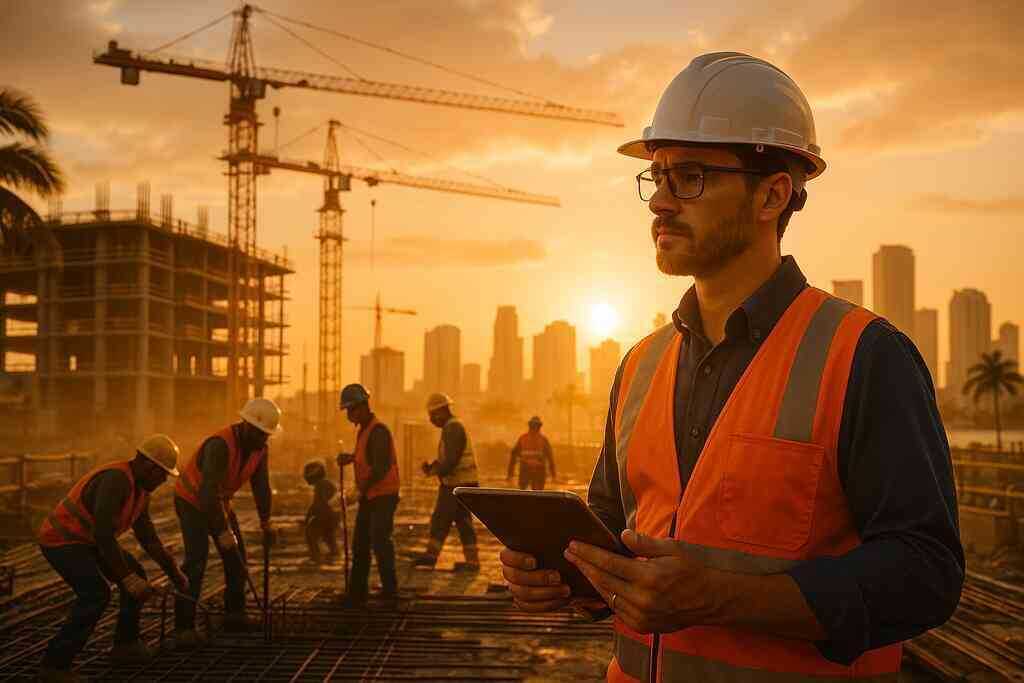
Managing Commercial Construction Timelines in South Florida
Commercial construction in South Florida comes with a unique set of demands. Between unpredictable weather, strict building codes, and fierce competition for skilled labor, contractors must plan carefully to keep projects on track. This overview breaks down how experienced South Florida contractors approach timeline management — and what makes the difference between a project that finishes on time and one that doesn't.
The Challenges That Make South Florida Different
South Florida is not a typical construction environment. The region faces a combination of factors that can complicate even the most straightforward commercial project.
- Hurricane season runs from June through November and can halt outdoor work entirely.
- High construction demand driven by ongoing development creates competition for materials, equipment, and skilled tradespeople.
- Strict local regulations require detailed permitting processes that must be factored into every project schedule.
- Heat and humidity affect worker productivity and certain materials, especially during summer months.
Contractors who understand these realities don't just react to them — they plan around them from day one.
Building a Realistic Project Timeline
A solid commercial construction timeline starts with clear objectives. Before any work begins, project teams define major milestones — from site preparation and foundation work to inspections and final occupancy.
Key steps in building a reliable schedule include:
- Sequencing tasks logically so that one phase flows naturally into the next
- Identifying dependencies between trades and subcontractors
- Estimating resource availability rather than assuming materials and labor will always be on hand
- Scheduling inspections and permit approvals early, since these can create unexpected delays if left to the last minute
Transparent timelines also improve communication. When every team member and stakeholder can see the same roadmap, there is less room for misunderstanding and more accountability across the board.
Why Flexibility Is Built Into Every Good Plan
No commercial construction project goes exactly as planned. Weather delays, supply chain disruptions, and last-minute design changes are common. What separates strong contractors from struggling ones is how well they handle these moments.
Building flexibility into a schedule means:
- Adding buffer time around weather-sensitive phases
- Having backup suppliers lined up before they are needed
- Creating contingency work plans so crews can shift to interior tasks when outdoor work isn't possible
- Monitoring progress continuously so adjustments happen early rather than after a delay has compounded
In South Florida, flexibility is not a luxury — it's a core part of sound construction management.
The Role of Stakeholder Collaboration
Commercial projects involve many moving parts: owners, architects, engineers, general contractors, subcontractors, and inspectors. When communication breaks down between any of these groups, delays follow.
Effective South Florida contractors prioritize collaboration from the start. This means:
- Establishing clear communication channels before the project begins
- Holding regular coordination meetings to keep everyone aligned
- Encouraging early problem-solving rather than waiting for issues to escalate
- Documenting decisions and changes so there is no confusion down the line
When all parties work from the same information and share a common understanding of goals, projects move faster and with fewer conflicts.
Using Technology to Stay on Schedule
Modern construction management relies heavily on technology. Digital scheduling tools give project managers real-time visibility into where a project stands. This makes it easier to spot potential bottlenecks before they cause serious delays.
Common tools used by South Florida contractors include project management software for task tracking, cloud-based platforms for sharing documents and updates, and mobile apps that allow field teams to report progress or flag issues instantly.
Real-time tracking also helps with accountability. When data is visible to the whole team, it becomes much easier to identify where slowdowns are happening and who needs additional support.
Seasonal Planning: Working With South Florida's Calendar
Smart contractors align their project phases with South Florida's seasonal realities. Exterior work and site preparation tend to be scheduled outside of peak hurricane season when possible. Work that can be done indoors — mechanical, electrical, plumbing, and finishes — provides flexibility when weather conditions are less predictable.
Understanding seasonal demand also helps with resource planning. Labor and materials can be harder to source during peak construction periods, so locking in commitments early gives projects a meaningful advantage.
Final Thoughts
Managing commercial construction timelines in South Florida requires more than a standard scheduling approach. It takes regional knowledge, disciplined planning, genuine flexibility, and strong collaboration across every team involved. Contractors who bring all of these elements together consistently deliver projects on time — even when conditions are far from ideal.
How South Florida Contractors Manage Commercial Project Timelines


Comments
Post a Comment