Spring Roof Inspections: What South Florida Contractors Check
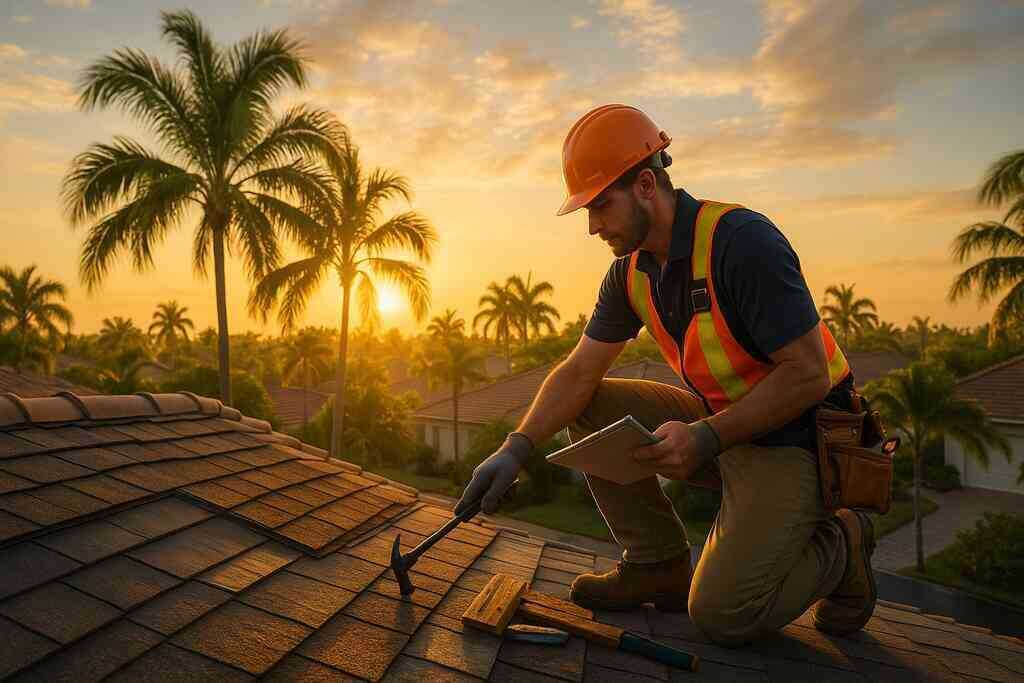
Spring Roof Inspections: What South Florida Contractors Check
Spring roofing inspections are one of the most important maintenance steps a South Florida homeowner can take. The region's intense sun, heavy rainfall, and seasonal storms put roofs under stress year-round, and spring is the ideal time to assess any damage before conditions worsen.
This overview breaks down how experienced South Florida contractors approach spring roof inspections, what they look for, and why staying ahead of roof issues matters more in this climate than almost anywhere else in the country.
Why Spring Is the Right Time for a Roof Inspection
South Florida does not experience the same seasonal shifts as northern states, but the transition into late spring still marks a critical window. It follows the winter rain season and comes just before the intense heat and hurricane season ramp up.
A spring inspection allows contractors to:
- Identify damage caused by winter storms or heavy rain
- Assess wear from prolonged UV exposure
- Spot early signs of mold or moisture buildup from humidity
- Prepare the roof structurally before hurricane season begins
Taking a proactive approach now can prevent minor issues from becoming major repairs later in the year.
What a Thorough Inspection Checklist Covers
Experienced contractors follow a structured checklist to ensure nothing is missed. A comprehensive spring roofing inspection typically includes:
- Shingles and surface materials: Checking for cracked, curling, loose, or missing shingles that leave the roof vulnerable to water intrusion
- Flashing: Inspecting the metal strips around chimneys, vents, and skylights where leaks commonly start
- Gutters and drainage: Looking for blockages, sagging sections, or damage that prevents proper water runoff
- Fascia and soffits: Evaluating the boards and panels along the roofline for rot, warping, or pest damage
- Attic interior: Checking for signs of water stains, wet insulation, or mold that indicate an existing or developing leak
- Roof penetrations: Assessing vents, pipes, and other openings to confirm seals are intact
This systematic approach ensures that both obvious and hidden issues are caught early.
Understanding Roofing Materials in South Florida's Climate
Not all roofing materials perform equally well under South Florida's conditions. Contractors familiar with the region know how to evaluate each material type based on its expected lifespan and current condition.
Common roofing materials used in South Florida include:
- Concrete and clay tile: Durable and heat-resistant, but susceptible to cracking from impact or foot traffic
- Metal roofing: Excellent for wind resistance and longevity, though expansion and contraction from heat cycles must be monitored
- Asphalt shingles: More affordable but may degrade faster in intense UV conditions without proper ventilation
- Flat or low-slope membranes: Common on commercial and some residential properties, requiring regular attention to seams and drainage points
A spring inspection helps determine whether materials are approaching the end of their functional lifespan, allowing homeowners to plan ahead rather than react to failure.
Early Leak Detection: Why It Matters So Much Here
South Florida's humidity makes leak detection especially urgent. Even a small entry point for water can quickly lead to mold growth, wood rot, and compromised insulation. These problems spread faster in warm, moist environments than in drier climates.
During a spring inspection, contractors look for:
- Water stains on ceilings or interior walls
- Soft or discolored spots on the roof deck
- Mold or mildew around roof penetrations
- Standing water or pooling near drainage areas
Catching these signs early is far less expensive than addressing the structural damage that develops when leaks go unnoticed.
Safety Standards During Roof Inspections
A professional inspection is not just about identifying damage. It also requires following established safety protocols. Reputable contractors use secure ladders, wear appropriate protective gear, and assess weather conditions before beginning work on any roof surface.
Homeowners should avoid attempting detailed roof inspections themselves. The combination of steep pitches, worn materials, and South Florida's wet surfaces creates real fall hazards. Hiring a qualified contractor protects both the property and the people involved.
Finding the Right Contractor for Spring Inspections
Working with a contractor who understands South Florida's specific roofing demands makes a significant difference. Local experience means familiarity with building codes, common material failures in the region, and the structural requirements that hurricane season demands.
Using a regional contractor directory can help homeowners connect with vetted professionals who specialize in South Florida roofing conditions. Building that relationship before an emergency arises is one of the smarter investments a homeowner can make.
Final Thoughts
Spring roofing inspections in South Florida are not optional maintenance. They are a practical necessity given the climate demands of the region. A thorough inspection now can extend the life of your roof, reduce repair costs, and provide peace of mind heading into hurricane season. The earlier issues are identified, the more options you have for addressing them on your own schedule and budget.
How South Florida Contractors Handle Spring Roofing Inspections


Comments
Post a Comment