2026 Florida Building Code Updates for Home Additions
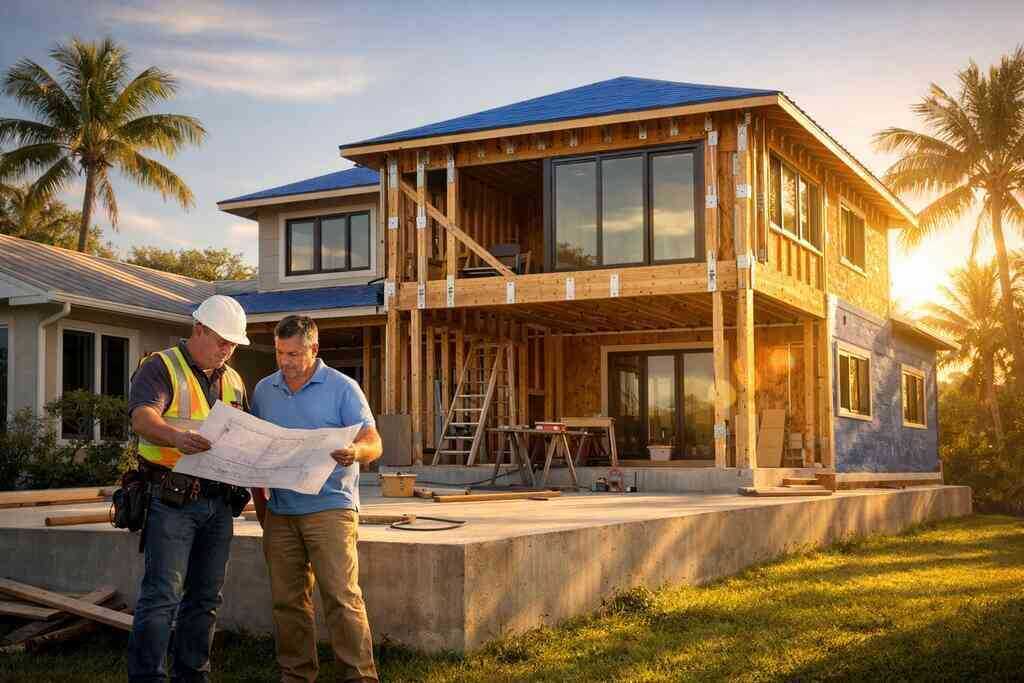
Adding square footage to your home is exciting, yet it comes with serious regulatory responsibilities. The latest updates to the Florida building code create a new landscape for homeowners and builders alike. These changes prioritize safety, energy efficiency, and structural resilience in ways that demand attention. Understanding these requirements is essential before breaking ground on any project. A knowledgeable South Florida contractor can guide you through every nuance. Let us explore what these updates mean for your upcoming addition.
Navigating the 2026 Florida Building Code: A New Era for Home Additions
The Florida building code has always set a high bar for construction standards. The recent updates raise that bar even further for residential additions. Homeowners must recognize that code compliance is not optional but mandatory. This new era emphasizes protection against natural forces and energy waste. Every addition must now meet stricter criteria from foundation to roofline. Partnering with experienced general contractors in South Florida ensures your project aligns with these demands. The following sections break down the most critical changes you need to know.
The High-Velocity Hurricane Zone Mandate: Why Your Addition Must Be Fortified
Florida high-velocity hurricane zone additions require robust engineering that goes well beyond standard building practices. These zones cover coastal areas where wind speeds can exceed 140 miles per hour. Your addition must incorporate materials and methods proven to resist extreme uplift forces. Windows, doors, and roof assemblies all fall under this heightened scrutiny. A contractor in South Florida understands the specific testing protocols required for these zones. The code now mandates continuous load paths that tie every component together seamlessly.
Failing to meet high-velocity hurricane zone requirements can lead to permit denial and safety risks. The code demands that every structural element withstands repeated impact from windborne debris. This includes using reinforced concrete or masonry for exterior walls in many cases. Additionally, the roof deck must be fastened with ring-shank nails or equivalent connectors. Builders must also install foam closures at all roof-to-wall intersections. These measures prevent catastrophic failure during severe storm events. Your contractor should verify all materials carry approved product approvals for these zones.
Structural Load Path Integrity: From Roof to Foundation in South Florida
Florida structural load path additions now require a complete and uninterrupted connection from roof to foundation. This means every nail, strap, and connector must work as a unified system. The code explicitly defines how forces transfer through walls, floors, and connections. Builders cannot rely on guesswork or traditional framing alone anymore. Engineered drawings must specify every connector and fastener type. This level of detail prevents weak points that could fail under stress.
The load path concept starts with the roof sheathing and continues down to the foundation anchors. Each connection point must resist both uplift and lateral forces simultaneously. For example, wall-to-floor connections require galvanized steel straps at precise intervals. Foundation anchor bolts must embed deeply into concrete and engage with treated sill plates. The code also addresses truss uplift mitigation to prevent ceiling separation. This comprehensive approach ensures your addition performs as a monolithic structure during high winds.
Wind Mitigation Essentials for Additions: Impact-Resistant Glazing and Hurricane Straps
Wind mitigation for Florida home additions revolves around two critical components: impact-resistant glazing and hurricane straps. Impact-resistant windows and doors must meet strict testing standards for missile impact and pressure cycling. These assemblies prevent wind and water from entering your home during a storm. The code requires these products to bear an approved label from a recognized testing agency. Additionally, all glazing within certain distances from the ground must comply. This protects occupants from flying debris that can shatter ordinary glass.
Hurricane straps and clips provide the mechanical strength that holds your addition together. These metal connectors fasten rafters and trusses to the top plate of walls. The code specifies the number, size, and installation pattern of these straps. Improper installation can render even high-quality straps ineffective. Builders must also install straps at both ends of every rafter or truss. Secondary connections for gable ends and overhangs require additional reinforcement. This layered approach to wind mitigation creates a durable envelope around your living space.
Secondary Water Barriers and Tie-Down Requirements: Beyond the Code Minimum
Secondary water barriers add an extra layer of protection against moisture intrusion during high winds. The code now requires a self-adhering membrane under roof coverings in high-velocity hurricane zones. This barrier prevents water from entering if the primary roofing material gets damaged. Tie-down requirements extend to all components, including porches, carports, and sunrooms. Even minor additions must anchor securely to the main structure. These provisions prevent domino-style failures where one compromised section endangers the entire building.
Installing secondary water barriers demands careful attention to detailing. The membrane must lap properly at eaves, valleys, and penetrations. Workers need to avoid punctures and ensure full adhesion. Tie-downs for open structures like patios often get overlooked. The code now clarifies that any addition attached to the primary dwelling must meet the same tie-down standards. This includes connection points between new and existing framing.
Updated Energy Efficiency Standards for Additions: Windows, Insulation, and HVAC
Energy efficiency standards in the 2026 code require higher performance from windows, insulation, and HVAC systems. Windows must have lower U-factors and solar heat gain coefficients compared to previous editions. This reduces cooling loads during Florida's intense summers. Insulation requirements now account for the entire building envelope, including floors over unconditioned spaces. HVAC systems must be sized correctly using Manual J calculations. Oversized units waste energy and fail to dehumidify properly.
Homeowners should expect more rigorous duct sealing and testing requirements. Leaky ducts can undermine even the best-insulated addition. The code mandates that all ductwork be sealed and tested to a maximum leakage rate. Energy recovery ventilators may also be required for tightly sealed additions. These systems improve indoor air quality without sacrificing efficiency. Your contractor should provide a breakdown of these costs before construction begins.
Permitting and Inspection: What the 2026 Code Means for Approval Timelines
Permitting and inspection processes have become more stringent under the 2026 code. Building departments now require more detailed plans and product approval documentation. Homeowners should budget for longer review times, especially for additions in high-velocity hurricane zones. Inspections now cover more stages of construction, including rough-in, framing, and final tie-down checks. Missing a required inspection can lead to costly rework or permit revocation.
Preparing a complete permit package is essential. Include engineered drawings, product approval listings, and energy calculations. Some jurisdictions now also require a wind mitigation form signed by the contractor. This form documents that all critical connections meet code. Keeping a digital copy of all permits and inspection reports protects your investment during future home sales.
Working with a Qualified South Florida General Contractor
A qualified contractor makes the difference between a smooth project and a stressful one. Look for contractors who have experience specifically with additions in high-velocity hurricane zones. Ask for references and verify their license status with the state. A good contractor will explain the code requirements clearly and provide a detailed contract. They will also coordinate with engineers, suppliers, and inspectors on your behalf.
Before hiring, ask how the contractor handles unexpected code issues. Reputable builders build in contingency plans for material delays or inspection failures. They also stay current with continuing education on building code changes. This expertise protects you from costly mistakes and ensures your addition adds lasting value to your home.
Final Thoughts on 2026 Florida Building Code Changes
The 2026 Florida building code changes bring significant improvements for home additions. These updates prioritize safety, durability, and energy performance in ways that benefit homeowners for decades. While compliance may raise upfront costs, the long-term savings and peace of mind are substantial. Work closely with experienced professionals who understand the nuances of the code. With proper planning and execution, your addition will be a resilient, efficient, and valuable part of your home.
2026 Florida Building Code Changes for Home Additions


Comments
Post a Comment