2026 Guide to Commercial Tenant Improvements in South Florida
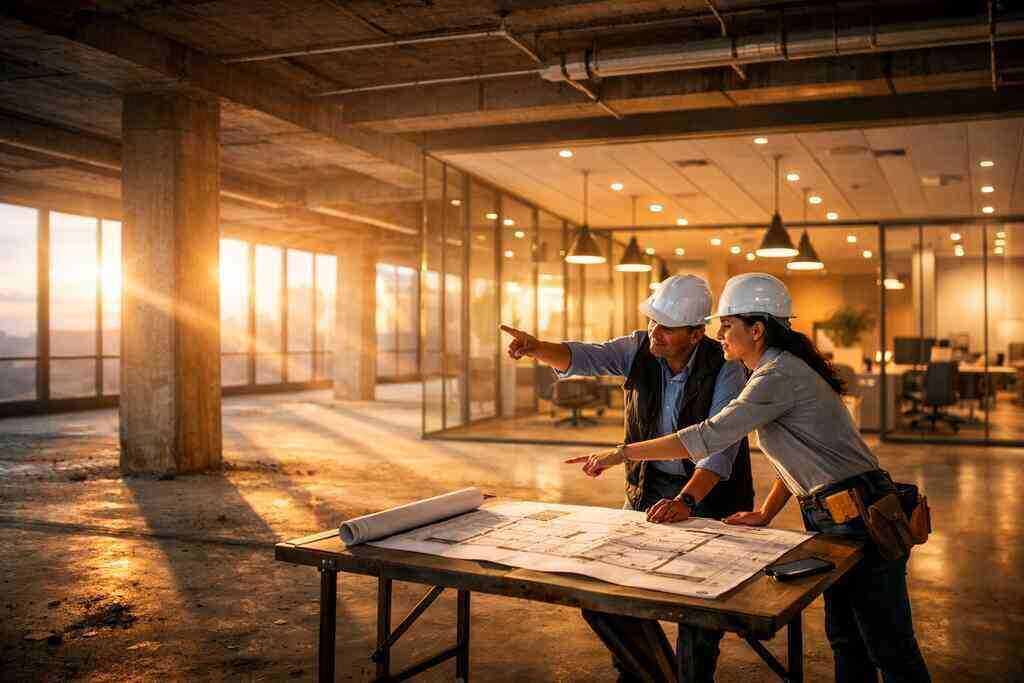
Navigating a commercial tenant improvement project in South Florida requires a strategic approach tailored to the region's unique market. This guide provides the essential blueprint for business owners and facility managers planning an office, retail, or medical space renovation in 2026.
Understanding the South Florida Commercial Landscape
The commercial environment across South Florida is dynamic and diverse. From Boca Raton to West Palm Beach, business needs are evolving rapidly. Companies now view their physical space as a direct extension of their brand and a critical tool for operational success.
Current trends emphasize flexible layouts for hybrid work, health-conscious building materials, and creating immersive experiences for clients and employees. These factors significantly influence modern tenant fit-out projects. Furthermore, local architectural character and municipal regulations can vary between cities. Partnering with a contractor who understands these regional subtleties is a crucial first step.
What Are Commercial Tenant Improvements?
Commercial Tenant Improvement (TI), also known as a tenant fit-out or leasehold improvement, refers to the customized alterations made to a rental space to suit a specific tenant's needs. These modifications range from cosmetic updates like new paint and flooring to extensive structural changes involving walls, lighting, and critical system upgrades.
The strategic value of a well-executed TI project extends far beyond aesthetics. It directly impacts employee productivity, client perception, and your company's bottom line. A thoughtfully designed space can enhance workflow, reinforce company culture, and create a powerful first impression. Viewing your TI budget as a capital investment in your business's future, rather than a simple expense, is a fundamental perspective shift.
Aligning Business Vision with Physical Space
The most successful projects begin with clear alignment between your business goals and your spatial design. This requires collaboration to translate abstract concepts into a tangible, functional floor plan.
Key considerations during this phase include:
- Team workflow and interaction needs.
- Client reception and meeting areas.
- Technology and infrastructure requirements.
- Scalability for future growth.
Proactive planning during this stage prevents costly changes later and ensures the finished environment actively supports your operational objectives. The goal is a seamless integration of brand identity, efficiency, and employee well-being.
The Core Phases of a Successful TI Project
Executing a commercial tenant improvement requires a meticulous, phased approach to manage complexity, budget, and timeline effectively.
1. Pre-Construction: Planning and Design
This initial phase is critical for setting the entire project up for success. It involves detailed space planning and comprehensive design development.
Architects and designers create schematics outlining every aspect of the future space. Concurrently, the construction team engages in value engineering, identifying cost-saving opportunities without sacrificing quality. This stage also includes selecting all finishes, fixtures, and equipment, which helps lock in budgets and prevent delays.
Thorough pre-construction work ensures the design is not only visually appealing but also buildable, efficient, and fully aligned with your vision before any physical work begins.
2. Permitting and Approvals
In South Florida, navigating local building departments and securing the necessary permits is a non-negotiable step. This process ensures your project complies with all current building codes, zoning laws, and safety regulations.
An experienced contractor will manage this complex administrative task, submitting detailed plans and coordinating with officials. Proper permitting avoids legal issues, potential fines, and work stoppages, providing a clear path to proceed.
3. Construction Execution
This is the physical transformation phase where plans become reality. It involves a coordinated sequence of work by various skilled trades.
A typical flow includes:
- Demolition of existing structures as needed.
- Rough-in work for electrical, plumbing, and HVAC systems.
- Framing new walls and installing insulation.
- Hanging drywall and applying finishes.
- Installing flooring, ceilings, and final fixtures.
Professional project management during this phase is essential to maintain schedule, quality, and budget, while minimizing disruption.
4. Final Inspections and Close-Out
Before occupying the space, final inspections by the local building department are required to certify that all work meets code. Once approved, the project moves into the close-out phase.
This involves a final walk-through with the tenant to create a punch list of any minor items needing correction, the transfer of warranties and operation manuals for new systems, and the delivery of as-built drawings. A thorough close-out ensures a smooth transition to your new, fully functional commercial space.
Key Considerations for Your 2026 Project
Several factors are particularly relevant for projects in the current year.
Sustainability and Wellness: There is a growing emphasis on using low-VOC materials, enhancing indoor air quality, and incorporating biophilic design elements that connect occupants with nature.
Technology Integration: Modern spaces must be designed with robust infrastructure for connectivity, including provisions for current and future tech needs.
Flexibility: Designing for adaptability allows a space to evolve with your business, accommodating team growth or functional changes without another major renovation.
A strategic commercial tenant improvement is a significant undertaking, but with careful planning and the right expertise, it becomes a powerful investment that directly contributes to your business success in South Florida's competitive market.
South Florida Contractors 2026 Commercial Tenant Improvement Guide


Comments
Post a Comment