2026 Hurricane Prep Guide for South Florida Homeowners
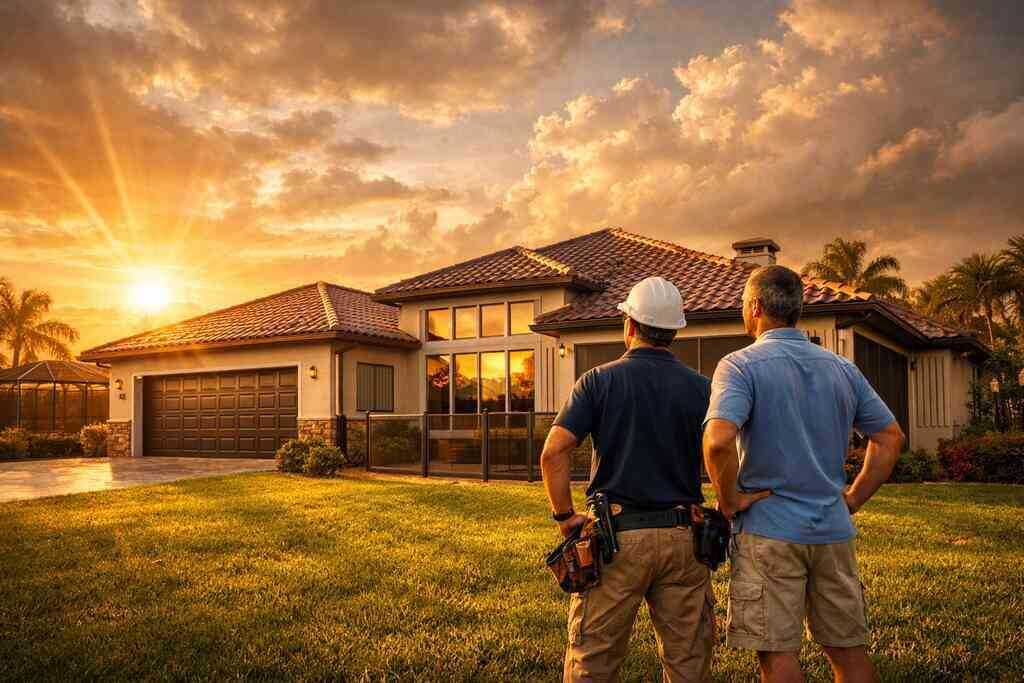
Preparing your South Florida home for the 2026 hurricane season requires a proactive and systematic approach. This guide outlines the essential steps and contractor-led strategies to fortify your property, transforming it from a vulnerable structure into a resilient asset capable of withstanding severe weather.
The Proactive Fortification Philosophy
Passive hope is no longer a viable strategy for South Florida property owners. A fundamental shift toward proactive fortification is essential. This philosophy views your home as a system that must be hardened against predictable threats well before a storm forms. Strategic preparation completed during the off-season prevents catastrophic financial loss and emotional distress, ensuring peace of mind when forecasts turn serious. It is the cornerstone of intelligent property stewardship in our region.
The High Cost of Reactive Responses
Waiting for a storm warning to act is a costly mistake. Reactive responses lock you into emergency pricing, limited contractor availability, and rushed decisions that often compromise quality. The expense of last-minute materials and labor can far exceed the investment in planned, preventive upgrades. Furthermore, delayed action can turn a minor vulnerability, like a compromised roof seal, into major structural damage. While insurance plays a role, deductibles and coverage disputes often leave homeowners with significant out-of-pocket costs. Proactive storm-proofing is a calculated financial strategy that protects your home's equity.
South Florida's Unique Vulnerability
Our region faces a distinct set of threats that demand specialized preparation. South Florida's vulnerability is defined by its expansive coastline, low-lying topography, and dense urban areas. The primary risks include:
- Catastrophic wind events capable of compromising roofs and siding.
- Storm surge that can inundate coastal and inland communities.
- Torrential rainfall leading to widespread flooding.
Older construction, built before modern building codes, often lacks the necessary reinforcement to survive these forces. Understanding this risk profile is critical for targeting your hardening efforts where they are needed most.
A Systematic Hardening Protocol
Transforming a standard home into a storm-resistant asset requires a whole-house approach. Think of it as architecting a series of interconnected defensive systems, each protecting a different vulnerability. Executing this protocol well before the season allows for careful work, quality materials, and thorough inspections. The result is an integrated defensive network that operates as a single, formidable unit.
Start with a Comprehensive Pre-Hurricane Inspection
The process begins with a thorough, expert evaluation of your property's current condition. A professional inspection should scrutinize the structure from the roof peak to the foundation. Key focus areas include:
- The integrity of roof shingles, tiles, flashing, and seals.
- The attachment of the roof deck to the home's framing.
- The condition of soffits, fascia, and gutters.
- The strength of window and door frames, and garage doors.
- The security of all outdoor structures like sheds, pools, and fences.
This assessment identifies latent weaknesses that could become failure points, providing a clear, prioritized action plan.
Securing the Building Envelope
Your home's envelope is its first critical line of defense. Fortifying it involves a multi-pronged strategy:
The Roof: As the largest surface area, the roof requires paramount attention. Reinforcement often involves ensuring proper installation, securing the roof deck, and verifying that all flashing and seals are intact and robust.
Wind Mitigation: These are the unseen structural upgrades that anchor your home. They include installing hurricane straps or clips that tie the roof to the walls, and the walls to the foundation, preventing the structure from being lifted or shifted by extreme winds.
Openings Protection: Protecting windows and doors is non-negotiable. The most effective solutions are impact-resistant windows or properly engineered hurricane shutters. These systems are designed to stop wind-borne debris, which is a leading cause of structural failure during a storm, by maintaining the home's critical pressure barrier.
Beyond the Structure: Site and Systems Readiness
Hardening the structure is only part of the equation. Preparing the property and its systems is equally important for resilience and recovery.
Landscape and Drainage Management: Proper landscaping is a key defensive measure. Trim trees and shrubs well before the season to remove dead branches and minimize potential projectiles. Ensure all drainage systems—gutters, downspouts, swales, and drains—are completely clear of debris. Proper grading around the foundation should direct water away from the home to mitigate flooding risk.
Utility and Emergency System Checks: Secure your home's lifelines. Have a licensed electrician inspect your panel and connections. Consider installing a generator transfer switch for safe backup power. Know how to safely shut off main utilities—gas, water, and electricity—if instructed to do so. Ensure your sump pump is operational if you have one.
The Contractor's Role in Community Resilience
Professional contractors are the essential engineers of community resilience. A knowledgeable general contractor for storm preparation integrates advanced building science, materials, and techniques to fortify homes correctly. Their expertise ensures that upgrades are installed to perform under extreme duress, which directly contributes to neighborhood-wide durability and faster post-storm recovery. Partnering with a qualified, experienced professional is an individual act of protection that also strengthens the collective fabric of South Florida.
By adopting this proactive, systematic approach guided by professional expertise, you are not just preparing for a storm season. You are making a sustained investment in the safety, value, and longevity of your South Florida home.
South Florida Contractors 2026 Hurricane Season Prep Guide


Comments
Post a Comment