2026 Roofing Material Guide for South Florida Homes
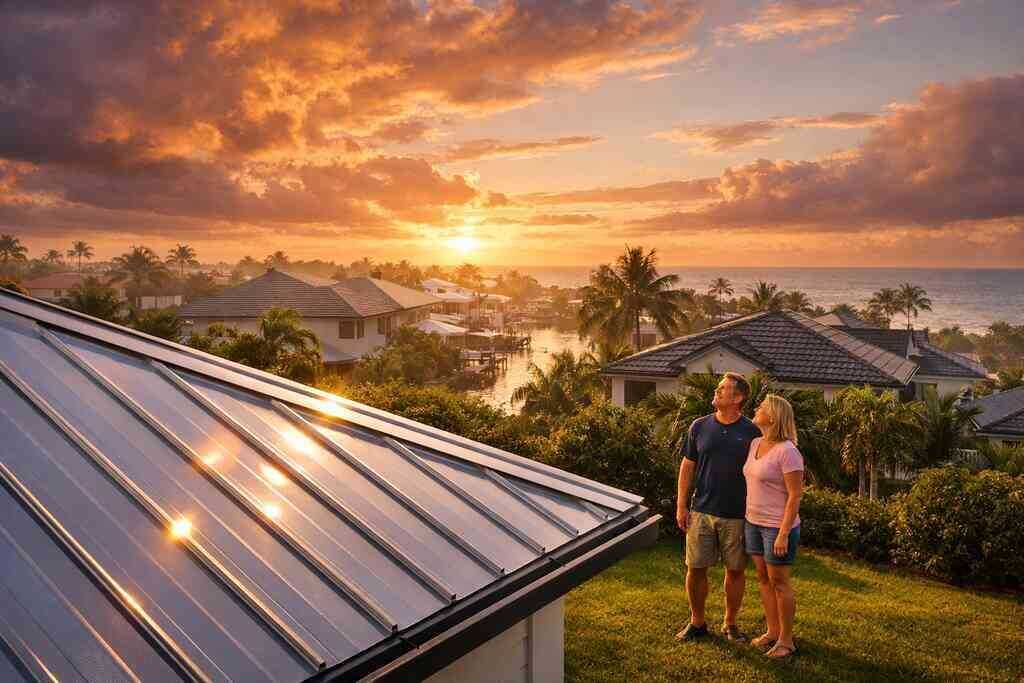
The roofing landscape in South Florida is undergoing a profound transformation. Driven by technological innovation and an urgent need for resilience, homeowners are making strategic investments in advanced materials designed to conquer our unique climate challenges. This guide navigates the latest material innovations from a contractor's perspective, ensuring you make an informed decision for your most valuable asset.
Why Your Roof is Your First Line of Defense
In South Florida, a roof does far more than keep the rain out. It stands as a primary shield against a relentless environmental onslaught. From hurricane-force winds and torrential downpours to blistering ultraviolet radiation and salt spray, your roofing materials face a daily endurance test. A compromised roof can lead to catastrophic water intrusion, mold proliferation, and structural damage. Understanding the specific demands of high wind zones and coastal exposure is non-negotiable. Investing in a superior roof is the most fundamental step in safeguarding your family, possessions, and financial future.
Beyond Shelter: Defining Home Value and Safety
Modern roofing materials deliver benefits that extend well beyond basic weatherproofing. They directly influence both market appeal and intrinsic safety. Today's systems enhance curb appeal with a vast array of styles, colors, and textures that can dramatically elevate your home's aesthetic. More importantly, they integrate advanced features like impact resistance and high fire ratings. These provide tangible safety upgrades and can potentially lower insurance premiums. A high-performance roof signals to potential buyers that the home is built to last, commanding a premium in a competitive market. Ultimately, a modern roof transforms from a maintenance item into a key asset.
Engineering for the Elements: Hurricane-Resistant Solutions
South Florida's architectural ethos is increasingly defined by resilience, with roofing at its core. Engineers and manufacturers have responded with solutions specifically tested for our coastal reality. These products undergo rigorous certification to prove their mettle against wind uplift, projectile impact, and water infiltration. Selecting a roof engineered for these elements is a fundamental requirement for structural integrity, not a luxury.
Decoding Impact-Resistant Roof Tiles and Shingles
Impact-resistant roofing represents a significant advancement in material science. These products are designed to withstand the punishing force of wind-borne debris. Whether polymer-modified asphalt shingles or fortified tiles, they are rated by classes (Class 1 through 4). This rating is based on their ability to resist impact from a standardized test. A Class 4 rating offers the highest level of protection, a feature that can lead to substantial discounts on homeowners insurance. The technology often involves reinforced substrates and flexible surfaces that absorb and dissipate energy rather than cracking. For homeowners, understanding these ratings is crucial to selecting a roof that offers genuine storm defense.
The Superiority of Standing Seam Metal Roofs
For uncompromising performance in high wind zones, standing seam metal roofs are increasingly the gold standard. Their interlocking panels create a continuous, monolithic surface that excels at shedding water and resisting wind uplift. The non-porous nature of metal makes it impervious to salt corrosion, fungal growth, and fire. Its reflective properties also contribute to significant energy savings by reducing heat absorption. While the initial investment can be higher, the longevity and minimal maintenance of a quality metal roof often provide a superior lifetime value. Its sleek, modern appearance has also grown in popularity, moving beyond purely industrial applications.
Material Innovations Shaping 2026
The evolution of roofing materials represents a leap forward in buildability, durability, and homeowner satisfaction. Contractors have witnessed a shift from materials chosen primarily for cost to those selected for holistic performance and lifespan.
- Advanced Composite Shingles: These shingles blend polymers, resins, and recycled materials to create products that mimic the look of wood or slate but with far greater durability and fire resistance. They are exceptionally lightweight and often carry some of the best wind and impact ratings available.
- Cool Roof Technology: Reflective granules and specialized coatings are now standard on many asphalt shingles and metal panels. This technology helps deflect solar heat, keeping attic spaces cooler and reducing air conditioning costs—a critical consideration for energy efficiency.
- Synthetic Underlayments: The layer beneath your visible roofing material is just as important. Modern synthetic underlayments offer superior tear strength and water resistance compared to traditional felt paper. They provide a crucial secondary barrier against water intrusion if the primary roof covering is ever compromised.
Making the Right Choice for Your Home
Selecting the right roofing material involves balancing several factors: budget, aesthetic preference, home architecture, and performance needs. It can be helpful to consult with a professional who understands local building codes and the specific weathering patterns in your micro-climate. They can provide insights into which products have proven their longevity in conditions identical to yours.
This overview of 2026 roofing materials highlights a clear trend: innovation is focused on creating systems that are as beautiful as they are tough. By choosing a material engineered for South Florida's extremes, you are not just replacing a roof. You are making a long-term investment in the protection, efficiency, and value of your home.
South Florida Contractors Review of 2026 Roofing Materials


Comments
Post a Comment