Essential HVAC Upgrades for Florida Home Efficiency in 2026
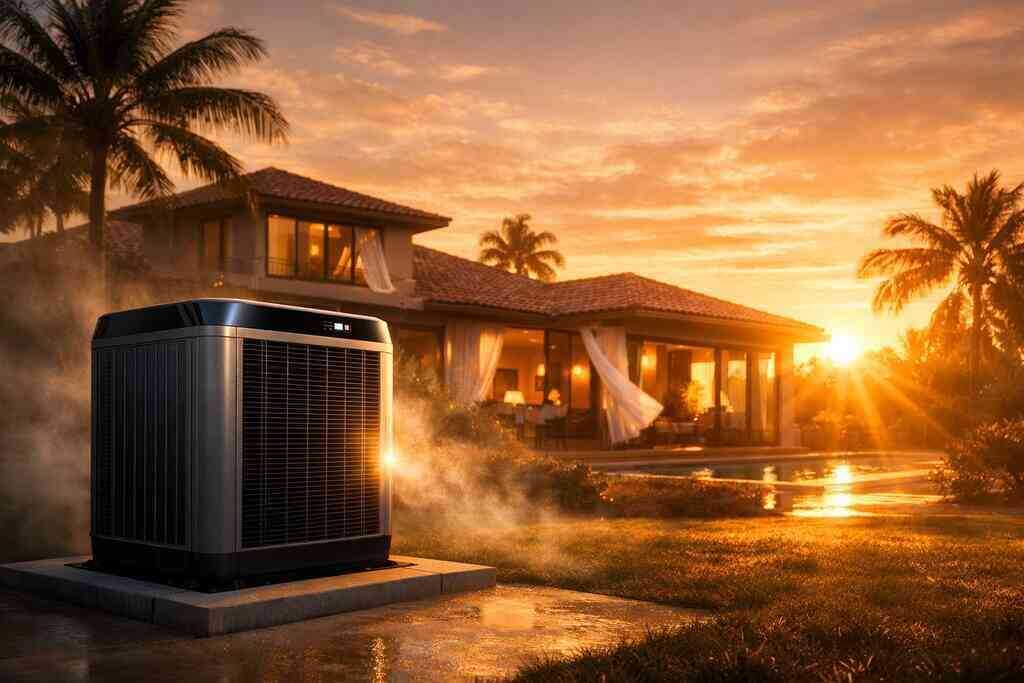
Living in Florida means your HVAC system is a critical component of home comfort and energy management. The humid, hot climate demands a system that works efficiently year-round. Strategic upgrades can significantly reduce your energy bills while improving indoor air quality and system reliability. This guide explores five key improvements that offer substantial benefits for homeowners navigating the unique demands of the Florida environment.
Why Florida Homes Need Specialized HVAC Upgrades
Florida's climate presents a distinct challenge for home cooling systems. High humidity combined with intense heat requires an HVAC system to perform two jobs simultaneously: lowering temperature and removing moisture from the air. An inefficient or outdated system struggles with this dual load, leading to excessive energy consumption, inconsistent comfort, and potential moisture issues like mold growth. Upgrading specific components addresses these core challenges directly, transforming how your home feels and how much you pay to keep it comfortable.
Investing in efficiency is not merely about saving money on monthly bills, though that is a significant benefit. It is also about enhancing system durability, reducing the frequency of repairs, and creating a more consistently comfortable living environment. Modern technologies offer precise control that older systems simply cannot match, making upgrades a smart long-term investment in your property.
1. High-SEER Air Conditioner Installation
Installing a high-SEER (Seasonal Energy Efficiency Ratio) air conditioner is the most impactful single upgrade for improving home cooling efficiency. SEER measures how much cooling a system delivers per unit of electricity consumed over a typical season. The higher the SEER rating, the more efficient the unit.
Modern high-efficiency models far exceed the minimum federal standards. Upgrading from an older unit with a SEER rating of 10 or 12 to a new model with a SEER of 18 or higher can reduce cooling energy use by 30% or more. This translates directly into lower electric bills, a crucial advantage given Florida's extended cooling season.
Beyond efficiency, new systems offer substantial quality-of-life improvements. They operate much more quietly than older models, thanks to advanced compressor designs and sound-dampening technology. They also provide more consistent temperature control and better humidity management, which is essential for comfort in a humid climate.
2. Smart Thermostat Integration
A smart thermostat is a relatively low-cost upgrade with a high return on investment. These devices go far beyond simple programmable schedules. They learn your habits, allow for remote control via smartphone, and can make automatic adjustments to save energy when you are away or asleep.
For Florida homes, features like humidity sensing and geofencing are particularly valuable. A thermostat that can respond to rising indoor humidity by adjusting the cooling cycle improves comfort and prevents the clammy feeling that often occurs even at a set temperature. Geofencing uses your phone's location to turn the system on as you head home, ensuring comfort upon arrival without wasting energy cooling an empty house all day.
Smart thermostats also provide valuable data and diagnostics, alerting you to potential system issues or unusual runtime patterns that could indicate a problem. This proactive insight can help avoid costly repairs and maintain peak system efficiency.
3. Enhanced Air Sealing and Insulation
Your HVAC system can only be as efficient as the home it is conditioning. Even the most advanced air conditioner will waste energy if cooled air escapes through leaks in the building envelope. Air sealing and insulation upgrades ensure your system's hard work stays inside your living spaces.
Key areas to address include the attic, ductwork, and around windows and doors. Attic insulation is especially critical in Florida, as it prevents radiant heat from the sun from baking into your living areas. Sealing leaks in the ductwork, which is often located in hot attics, prevents cooled air from being lost before it reaches your rooms.
These improvements reduce the overall cooling load on your HVAC system. When your home retains conditioned air better, the system runs less frequently and for shorter cycles, which saves energy and reduces wear and tear on components.
4. Advanced Air Filtration and Ventilation Solutions
Indoor air quality is a vital aspect of home comfort and health. Standard fiberglass filters do little more than protect the HVAC equipment. Upgrading to a high-efficiency pleated filter, a media air cleaner, or even a whole-home air purifier can significantly improve the air you breathe.
These systems capture a much higher percentage of dust, pollen, mold spores, and other allergens. This is not only beneficial for residents with allergies or asthma but also helps keep the HVAC system's interior components cleaner, which can support efficient operation.
Controlled ventilation is another important component. Energy recovery ventilators (ERVs) are particularly well-suited for Florida's climate. They introduce fresh outdoor air into the home while simultaneously exhausting stale indoor air. Crucially, they transfer humidity from the incoming air to the outgoing air stream, helping to manage indoor humidity levels without overworking the air conditioner.
5. Zoning System Installation
A zoning system allows you to control the temperature in different areas or "zones" of your home independently. This is achieved through motorized dampers in the ductwork and a multi-zone thermostat control panel.
Zoning provides exceptional efficiency and comfort for Florida homes. You can cool frequently used living areas during the day while setting back the temperature in unused bedrooms. Conversely, you can cool only the bedrooms at night. This targeted cooling eliminates the energy waste associated with conditioning the entire house to one temperature all the time.
It also solves common comfort problems, such as rooms that are always too hot or too cold due to sun exposure or airflow limitations. By directing cool air only where and when it is needed, a zoning system reduces system runtime, lowers energy consumption, and provides personalized comfort for everyone in the household.
Making a Strategic Upgrade Plan
When considering these upgrades, it is helpful to view them as parts of an integrated system. For example, pairing a new high-SEER air conditioner with a smart thermostat and sealed ducts maximizes the benefit of each individual improvement. A professional HVAC assessment can identify which upgrades will deliver the best return on investment for your specific home, considering its age, layout, and existing equipment.
Focusing on energy efficiency is a practical response to Florida's climate demands. These upgrades represent a forward-thinking approach to home ownership, delivering immediate comfort improvements and long-term financial savings through reduced energy use.
Top 5 Energy Efficient HVAC Upgrades For Florida Homes 2026
Comments
Post a Comment