Florida Friendly Landscaping Guide for New Builds in 2026
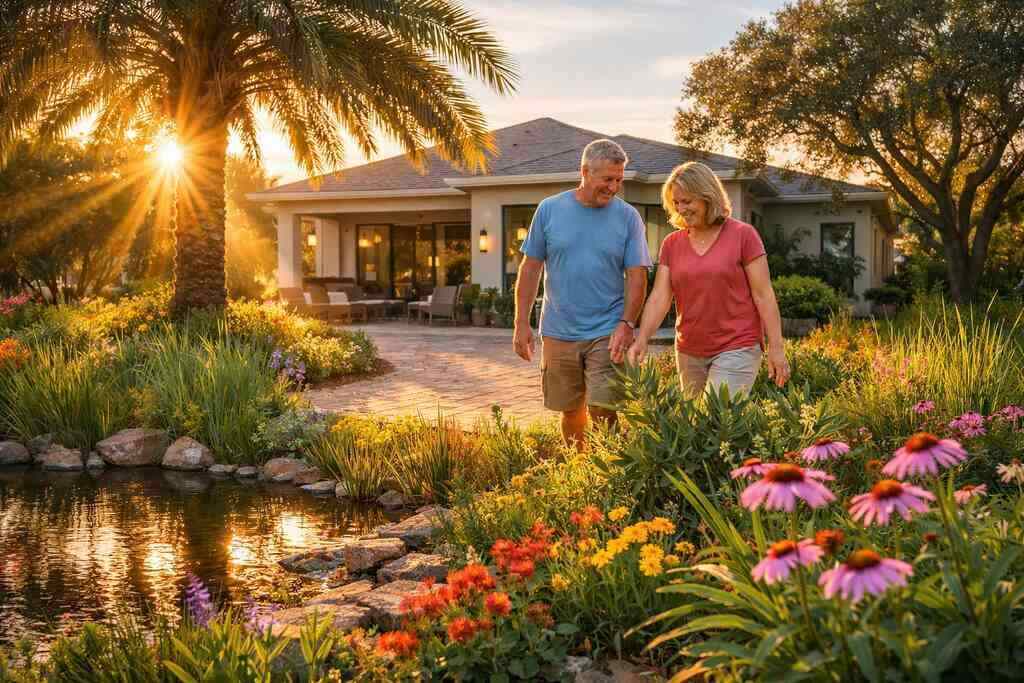
A new construction project in Florida offers a unique opportunity to build sustainability directly into your property's blueprint. This guide explores how to integrate Florida Friendly landscaping principles from the start, creating a resilient, beautiful, and ecologically sound outdoor space that thrives in our distinctive climate. For homeowners and builders, adopting this philosophy ensures the landscape matures in harmony with the structure itself.
Introduction to Florida Friendly Landscaping for New Builds
Florida Friendly landscaping is now a fundamental component of modern, resilient home design. This approach moves beyond aesthetics to create a living ecosystem that conserves vital resources, supports local wildlife, and is adapted to our sun, rain, and humidity. Beginning with these principles during construction avoids costly retrofits and establishes a legacy of sustainability.
The Philosophy of Sustainable Landscape Design
Sustainable landscape design in Florida is a holistic philosophy. It prioritizes long-term environmental health over short-term ornamentation, creating systems that work with natural processes. This mindset acknowledges our challenging climate and designs gardens to thrive within it, reducing your environmental footprint while providing a stunning, functional outdoor sanctuary.
Why Start with Florida Friendly Principles?
Integrating these principles during new construction is essential for seamless, cost-effective implementation. A blank slate allows for proper grading for stormwater management, efficient irrigation infrastructure, and correct soil preparation before planting. This proactive approach significantly reduces long-term maintenance, water bills, and ensures your new build immediately contributes to regional conservation.
Aligning with Recognized Frameworks
Programs like Florida Yards & Neighborhoods offer a science-based framework. Aligning your new build with such a program provides a clear roadmap for implementing core principles, from right plant, right place to responsible fertilizing. This can simplify navigation of local guidelines and demonstrates a commitment to certified best practices.
Core Principles and Design Strategies for 2026
The landscape of 2026 demands strategies that are both innovative and rooted in ecological science. Core principles now blend smart technology with natural processes to create resilient, intelligent outdoor spaces. Design focuses on layered systems where each element supports another, ensuring your property is prepared for climatic variability.
Water Conservation as the Foundation
Water conservation must be the foundation. Xeriscaping design for Florida homes is a key methodology. It drastically reduces supplemental irrigation needs through intelligent planning. This involves zoning plants by water needs, dedicating most of the landscape to drought-tolerant species, and using strategic mulching to retain soil moisture. Establishing this cornerstone creates a system that is sustainable, cost-effective, and resilient.
Selecting the Right Flora
Plant selection is the most visible and impactful choice. A thoughtful guide emphasizes native plants that have evolved to flourish here without excessive water, fertilizer, or pesticides. These plants form the backbone of a resilient garden, providing essential food and shelter for local wildlife. Complement them with non-invasive drought-tolerant plants for texture and color. Critical to this is landscape zoning for sun and shade, placing plants in microclimates where they will naturally thrive. For coastal properties, incorporating salt-tolerant plants is vital for longevity.
Soil Science and Site Preparation
Healthy soil is the silent engine of a thriving landscape, and its preparation cannot be an afterthought. Proper soil amendment for Florida yards is a critical first step. Many new construction sites have compacted, nutrient-poor subsoil. Amending this with organic compost improves structure, drainage, and water retention. Testing your soil's pH and composition guides what amendments are needed to create a fertile foundation. Investing in soil health upfront reduces plant stress, minimizes future fertilizer needs, and promotes deep root growth for drought resistance.
Implementing Smart Systems and Maintenance
A Florida Friendly landscape is designed to be manageable. Integrating smart systems from the beginning enhances efficiency and reduces resource use.
Efficient Irrigation and Rainwater Harvesting
Even drought-tolerant plants need water during establishment. Installing a high-efficiency irrigation system, such as drip irrigation or micro-spray jets, targets water directly to root zones, minimizing evaporation and runoff. Pair this with a smart controller that adjusts watering based on local weather data. For the ultimate in conservation, design for rainwater harvesting. This can be as simple as directing downspouts into rain barrels or as integrated as designing swales and rain gardens that capture and filter runoff on-site.
Managing Stormwater On-Site
Florida's intense rains demand thoughtful stormwater management. Instead of directing all runoff to storm drains, use the landscape to capture and absorb water. Techniques include creating permeable pathways, building berms and swales to slow water flow, and installing rain gardens—shallow depressions planted with water-tolerant natives—that allow water to percolate into the ground. This reduces erosion, filters pollutants, and recharges groundwater.
Sustainable Maintenance Practices
The right design leads to easier care. Sustainable maintenance starts with proper mulching. A layer of organic mulch conserves moisture, suppresses weeds, and moderates soil temperature. Practice grass-cycling by leaving grass clippings on the lawn to return nutrients. Adopt integrated pest management (IPM), which focuses on preventing problems through healthy plants and using targeted, minimal interventions only when necessary. Fertilize responsibly, if at all, based on soil test results and using slow-release, Florida-friendly formulas at the right time of year.
Building a Legacy of Sustainability
A new build is a chance to create a lasting positive impact. A Florida Friendly landscape does more than beautify; it creates habitat, conserves resources, and builds resilience against climate fluctuations. By embedding these principles into your construction plans, you invest in a property that will be easier to care for, less costly to maintain, and a testament to thoughtful environmental stewardship. This approach ensures your new home is not just built for 2026, but is designed to thrive for decades to come, in harmony with the unique and beautiful Florida environment.
2026 Guide To Florida Friendly Landscaping For New Builds


Comments
Post a Comment