How to Find Reliable Roofing Contractors in South Florida
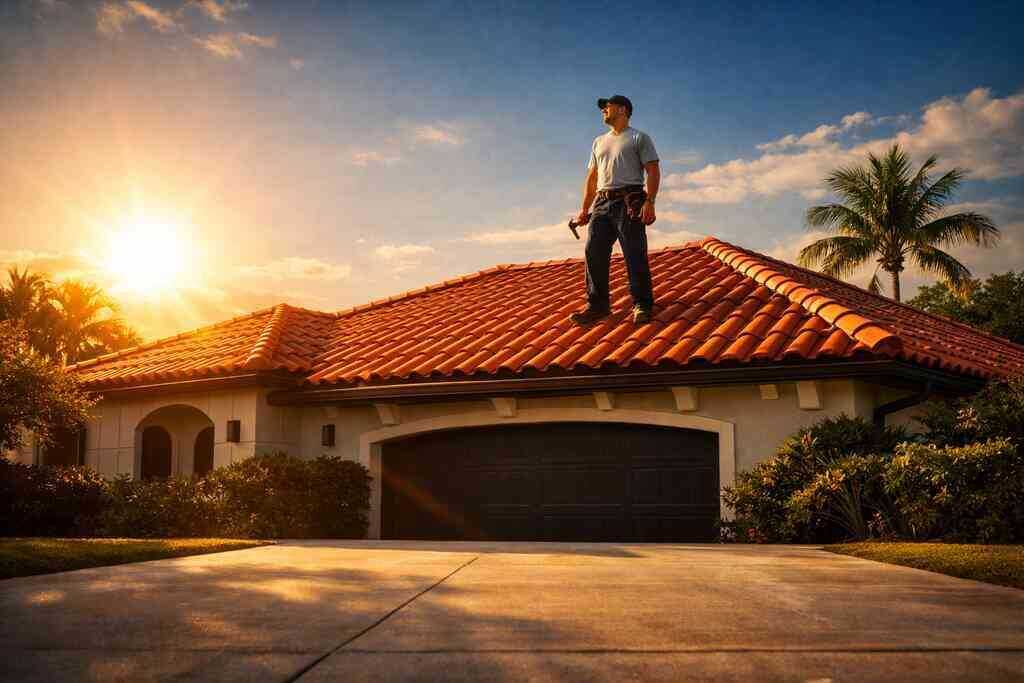
Finding a reliable roofing contractor in South Florida is a critical decision for any property owner. The region's intense sun, heavy rains, and hurricane threats make your roof a primary defense system. This guide explores the key steps and considerations for selecting a professional who can ensure your roof is built to last.
Understanding South Florida's Roofing Challenges
Your roof faces unique environmental pressures. The constant UV exposure can degrade materials, while seasonal torrential rains test its watertight integrity. The potential for severe storms adds another layer of complexity, requiring roofs to meet specific wind-resistance codes. A roofing system here must be engineered for resilience from the start. Choosing the right contractor, therefore, is an investment in long-term security, energy efficiency, and property value.
The Spectrum of Roofing Services
Not all roofing contractors offer the same services. Understanding the different specializations helps you match your project with the right expertise.
Residential vs. Commercial Roofing
Residential roofing companies typically work on steep-slope homes, focusing on materials like asphalt shingles, tile, and metal. Their work involves architectural integration, attic ventilation, and aesthetic details. Commercial roofing services usually handle large-scale, low-slope, or flat roofs. These projects prioritize durability, energy efficiency, and minimizing business disruption, often using specialized membrane systems.
Material Expertise
The choice of material is crucial. South Florida favors options with superior resistance.
- Tile Roofs: Concrete or clay tiles offer excellent durability and a classic aesthetic but require specialized installation knowledge.
- Metal Roofing: Metal roofs provide exceptional wind resistance and longevity, making them a strong choice for storm-prone areas.
- Asphalt Shingles: A common and cost-effective option, with modern architectural shingles offering better performance and appearance.
A qualified contractor will guide you through the pros and cons of each material for your specific home and budget.
Navigating Storm Damage and Insurance
Dealing with storm damage can be stressful, especially when an insurance claim is involved. A key step is partnering with a licensed contractor experienced in this process. These professionals know how to properly document damage with detailed assessments and photographs that support your insurance claim. They understand what insurers require for repair approvals, which can help streamline the settlement process and get your project started correctly and efficiently.
The Contractor Selection Process
Taking a methodical approach to hiring a roofer is essential for a successful outcome.
1. Verify Licensing and Insurance
Always confirm that a contractor holds a valid state license and carries both general liability and workers' compensation insurance. This protects you from liability in case of an accident on your property.
2. Check References and Past Work
Ask for references from recent projects similar to yours. Look at online reviews and, if possible, drive by past job sites to see the quality of work firsthand. A reputable contractor will have a portfolio of completed projects.
3. Get Detailed, Written Estimates
Obtain written estimates from at least three contractors. The estimate should be itemized, specifying the scope of work, materials to be used (including brands and grades), project timeline, payment schedule, and warranty information. Be wary of quotes that are significantly lower than others, as this can indicate the use of inferior materials or shortcuts.
4. Understand the Warranty
Clarify what warranties are offered. There are typically two types: the manufacturer's warranty on the materials and the contractor's warranty on the workmanship. Ensure you understand the length and coverage of both.
5. Review the Contract Thoroughly
Never proceed without a signed contract. It should include everything from the estimate, plus clauses about cleanup, how change orders are handled, and the process for resolving disputes.
Seasonal Planning for Roof Projects
Timing your roofing project can impact both cost and availability. Scheduling a professional inspection in the spring, before peak hurricane season, is a proactive way to identify minor issues. The drier winter months often present an ideal window for planned replacements or major repairs, as contractor schedules may be more open. For emergency repairs, it's wise to have a trusted contractor identified beforehand.
Red Flags to Avoid
Be cautious of contractors who:
- Only accept cash payments.
- Pressure you to sign a contract immediately.
- Ask for full payment upfront before any work begins.
- Use high-pressure sales tactics or "limited-time" discounts.
- Have no physical business address or listed phone number.
- Arrive unsolicited after a storm offering inspections.
Choosing a roofing contractor in South Florida requires careful research and due diligence. By focusing on licensed professionals with proven local experience, clear contracts, and a track record of quality work, you can ensure your roof—and your home—remains protected for years to come.
Guide to Finding Roofing Contractors via South Florida Contractors


Comments
Post a Comment