Plan Your South Florida Home Addition by Season in 2026
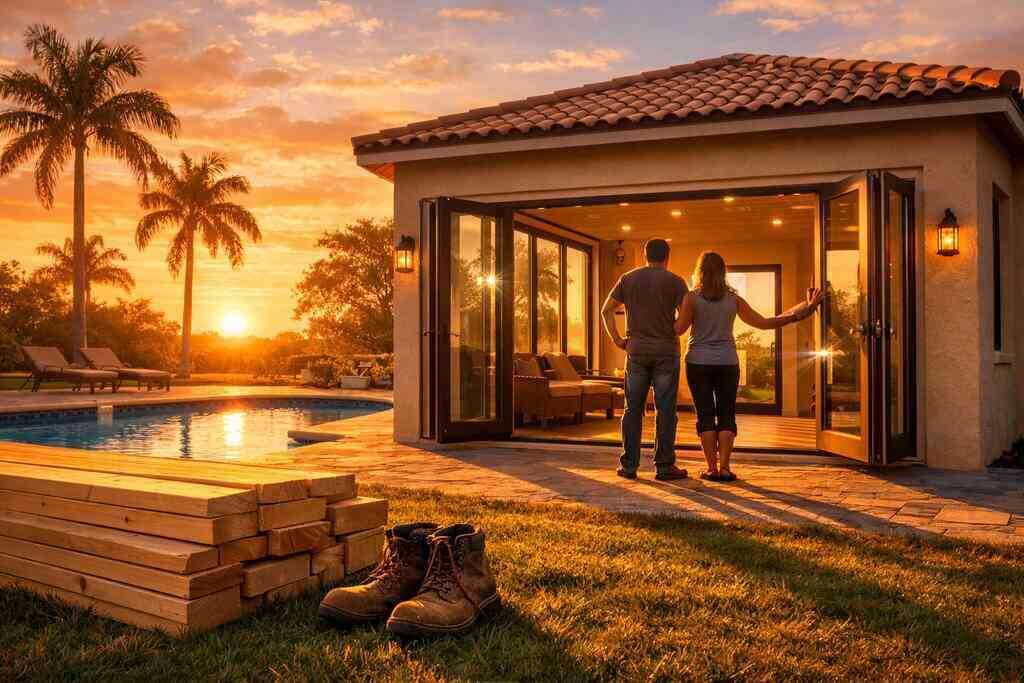
Adding space to a home in South Florida is a major investment. The success of such a project depends heavily on timing. The region's distinct weather seasons—dry, rainy, and hurricane—affect material availability, contractor schedules, and construction quality. Understanding this calendar can help homeowners save money, reduce stress, and finish on time.
The South Florida Construction Calendar
South Florida has two primary seasons: a dry season (roughly November through April) and a rainy season (May through October). The dry season brings lower humidity, less rain, and stable temperatures. This creates ideal conditions for outdoor and structural work like foundation pouring and framing. The rainy season brings daily thunderstorms, high humidity, and the threat of hurricanes. Contractor availability also shifts with these seasons. The dry season sees high demand, while the rainy season often offers more scheduling flexibility. Planning your project with these patterns in mind is a practical way to streamline the entire process.
Why Timing Matters for Your Project
Starting the planning and design phase during the rainy season can yield benefits. Architects and designers tend to have lighter workloads, which often leads to more attentive service. Similarly, submitting permit applications well before the dry season allows time for approval without delaying construction. Aligning the most weather-sensitive tasks (excavation, foundation, framing, roofing) with the dry season minimizes the risk of delays from rain. This strategic approach helps avoid budget overruns and ensures you can schedule skilled subcontractors when they are most available.
Designing for South Florida's Climate
A well-designed addition should respond to the local climate. Think about where the sun rises and sets, which direction prevailing breezes come from, and where rainwater flows. Positioning windows and outdoor living spaces to take advantage of natural cooling reduces energy costs. Planning the construction sequence to get the building weather-tight (roof on, windows installed) before the rainy season protects interior materials from moisture damage. This kind of thoughtful planning results in a home that is comfortable, durable, and efficient.
Navigating the Seasonal Tides
Each season in South Florida offers distinct advantages and challenges for a home addition project. Knowing what to expect allows you to plan proactively.
The Dry Season Advantage for Structural Work
The dry season is the prime window for the most weather-sensitive phases of construction. Excavation, pouring concrete foundations, framing walls, and roofing all benefit from dry, stable weather. Rain can delay concrete curing, soak lumber, and create safety hazards. Getting these steps done during this window sets a predictable pace for the rest of the project. It is also the time when contractors are most focused on exterior work, so scheduling these tasks early is important.
Preparing Before the Rains
As the dry season winds down, the critical goal becomes achieving a "dry-in" status. This means completing the roof, installing windows and exterior doors, and sealing the building envelope. Once the structure is weather-tight, interior work—electrical wiring, plumbing, insulation, drywall—can continue through the rainy months without worry about water damage. This preparation also includes finalizing grading and drainage around the new addition to manage stormwater effectively. Homeowners who plan for this transition avoid costly moisture problems and schedule disruptions.
Managing Hurricane Season
Hurricane season runs from June through November. While it presents some risk, it does not mean construction must stop. The key is mitigation through smart scheduling and material choices. During this season, focus shifts to interior work: installing cabinetry, painting, flooring, and trim. These tasks are not affected by storms. This is also the ideal time to install impact-resistant windows and doors, as they are designed to withstand high winds. A professional contractor should have a clear plan for securing the job site in case of a storm threat. This might include tying down materials, covering openings, and having a clean-up protocol.
The Quiet Season: Hidden Benefits
The rainy and hurricane seasons are sometimes viewed as the "off-season" for construction. But this period offers hidden advantages. Contractor availability is often higher, which can lead to more flexible scheduling and potentially more competitive pricing. You may find that design professionals and tradespeople are more accessible for consultations. This is an excellent time to finalize plans, secure permits, order long-lead materials, and prepare your project for a construction start in the dry season. Using this time wisely creates momentum and sets the stage for a smooth build.
Key Steps to Take in Early 2026
If you are considering a home addition starting in 2026, the time to begin planning is now. The early part of the year offers a strategic window to get organized before peak construction season ramps up.
- Define your goals. Know exactly how much space you need and how you want it to function. This clarity helps designers and contractors give accurate estimates.
- Assemble your team. Research and interview architects, engineers, and general contractors. Ask about their experience with projects of your scale and their familiarity with local permitting processes.
- Start the design process. Working with an architect during the rainy season gives you time to refine plans without rush. They can help you design with climate considerations in mind.
- Review your budget. Include allowances for unexpected conditions. A well-prepared budget prevents mid-project surprises.
- Understand the permit timeline. In South Florida, permit reviews can take several weeks or months depending on the municipality. Submit early to avoid delays.
- Pre-order materials. Some specialty items (windows, doors, fixtures) have long lead times. Order them as soon as the design is final.
By taking these steps in early 2026, you position yourself for a construction start that aligns with the dry season. This strategic timing helps keep your project on track, within budget, and built to last.
Final Thoughts
A home addition is a significant undertaking. In South Florida, understanding the interplay between construction and climate gives you a distinct advantage. The best time to start is not a single date but a well-planned sequence: design and permit during the off-season, begin structural work at the onset of the dry season, achieve dry-in before the rains, and complete interior work through hurricane season. This rhythm respects the environment, optimizes resources, and reduces risk. With careful planning, your addition will be a comfortable, lasting improvement to your home.
Best Time to Start a South Florida Home Addition in 2026


Comments
Post a Comment