South Florida Hurricane Proofing: Expert Contractor Guide for Resilience
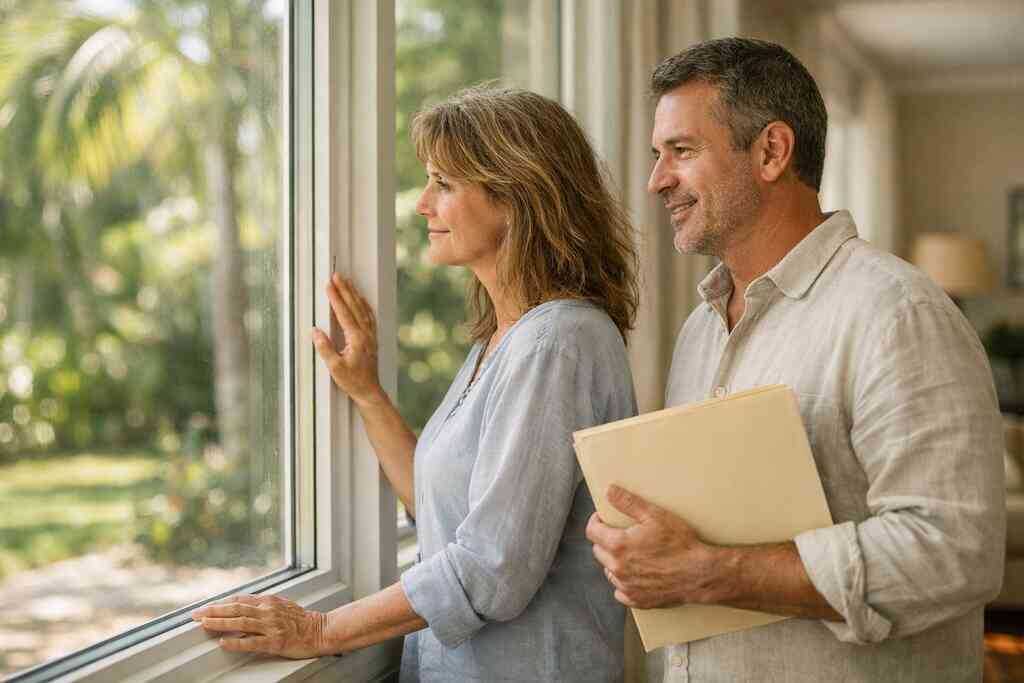
When hurricane season approaches, South Florida homeowners face a familiar cycle of preparation and anxiety. Beyond stocking supplies and tracking storms, the most effective defense lies in transforming your house into an engineered refuge. This guide walks through the essential steps of hurricane proofing, from understanding your home’s vulnerabilities to partnering with skilled local contractors who deliver permanent, passive protection.
Why Proactive Home Hardening Matters
Preparing for hurricanes is not a one-time event. It is an ongoing process of identifying weaknesses and fortifying them before a watch is issued. Many older Florida homes lack a continuous load path—the structural chain that ties the roof to the walls and the walls to the foundation. Wind forces exploit even minor gaps, causing catastrophic failure.
A professional assessment maps these hidden failure points. Upgrading connections, reinforcing openings, and installing impact-rated components create a cohesive defensive unit. Each improvement adds a layer of security, replacing uncertainty with genuine confidence when a storm appears on the radar.
The Science Behind Modern Storm-Resistant Construction
Modern resilience science has revolutionized how we defend against hurricanes. Engineers now analyze pressure zones and windborne debris trajectories with remarkable precision. This research directly informs storm-resistant construction methods that save both lives and property.
Key advancements include:
- Continuous load paths: Every structural element—from roof shingles to foundation anchors—works together to resist uplift and lateral forces.
- Impact-resistant glazing: Windows and doors are tested by firing debris at high speeds to ensure they can repel a flying two-by-four traveling at highway velocities.
- Enhanced roof-to-wall connections: Metal straps and clips secure the roof deck to trusses and trusses to walls, preventing the roof from peeling away.
- Reinforced garage doors: Because garage openings are large weak points, bracing systems prevent wind intrusion that can pressurize and blow out other parts of the house.
These measures go far beyond temporary plywood covers. They are engineered, permanent upgrades that work automatically when you need them most.
Essential Hurricane Proofing Upgrades for Your Home
Home hardening projects range from simple retrofits to comprehensive structural upgrades. Prioritizing these improvements begins with a detailed inspection.
Roof and Attic Reinforcement
The roof is the first line of defense. Upgrades include:
- Secondary water barriers: A self-adhering membrane installed under the roof covering to prevent leaks if shingles blow off.
- Hurricane straps and clips: Galvanized steel connectors that tie rafters or trusses to the top plate of the wall.
- Gable end bracing: Reinforcing the triangular wall sections to keep them from collapsing under wind pressure.
Impact Windows and Doors
Replacing standard windows and doors with impact-rated products is one of the most effective investments. Look for systems that carry the Miami-Dade Notice of Acceptance (NOA). These products have passed stringent testing that simulates hurricane conditions.
Benefits include:
- Shatterproof glass that remains intact even when struck by debris
- Frames and anchoring systems that resist extreme pressure cycles
- Improved energy efficiency and noise reduction year-round
Garage and Entry Door Upgrades
A garage door failure can cause a sudden internal pressure spike that lifts the roof. Reinforced doors with heavy-gauge tracks, additional bracing, and wind-rated designs prevent this. Entry doors should also be solid-core or reinforced with a three-point locking system.
Continuous Load Path Verification
A qualified contractor will inspect the connections from the roof to the foundation. Any missing straps, weakened fasteners, or gaps in the load path must be addressed. This invisible network of metal connectors is what holds the house together.
Understanding Miami-Dade NOA Approved Products
The Miami-Dade Notice of Acceptance (NOA) is the global benchmark for hurricane-resistant building products. It emerged after Hurricane Andrew exposed widespread material failures. Today, any component carrying the NOA mark has survived rigorous testing for impact, pressure cycling, and wind resistance.
Nothing less suffices. Products without this certification may not meet the demands of a powerful storm. Always verify that windows, doors, shutters, and roofing materials carry an active NOA. This verification process is a legal and performance shield for your investment.
Partnering with a South Florida Contractor for Lifesaving Upgrades
Knowledge alone cannot retrofit a home. Partnering with a local contractor who specializes in storm hardening is the safest path. These professionals understand coastal building codes, navigate permitting requirements, and source approved materials efficiently.
When selecting a contractor:
- Confirm they have experience with hurricane retrofits and wind mitigation.
- Ask about their familiarity with fortified home certification processes.
- Request proof of past projects and documentation of installed products.
- Check references and look for a track record of successful installations in your area.
Avoid attempting critical structural upgrades as a DIY project. Improper installation can create a false sense of security and lead to catastrophic failure. A true expert will conduct a thorough assessment and propose a prioritized plan based on your home’s specific needs and your budget.
The Role of Wind Mitigation Inspections
A wind mitigation inspection is a specialized evaluation that identifies features making your home more resistant to hurricanes. Many insurance companies offer substantial premium discounts for homes with proven mitigation features.
A certified inspector will examine:
- Roof shape and covering
- Roof-to-wall connections
- Opening protection (shutters or impact glass)
- Secondary water resistance
The resulting report documents your home’s resilience features and can lead to long-term savings. This inspection is often a prerequisite for obtaining insurance discounts and can influence decisions on future upgrades.
Creating Your Hurricane Season Preparation Checklist
Beyond structural upgrades, a well-rounded preparation plan includes:
- Trimming trees and removing potential windborne debris
- Securing outdoor furniture and loose items
- Testing generators and ensuring proper ventilation
- Stocking emergency supplies, including water, non-perishable food, and medications
- Developing a family communication and evacuation plan
Integrate these tasks with permanent structural upgrades to create layers of defense. A home that is hardened from the outside and prepared from the inside offers the best chance when a hurricane strikes.
Building Resilience Year After Year
Hurricane proofing is not a one-time expense; it is an ongoing commitment. Each season provides an opportunity to reinforce, upgrade, and refine. Start with an assessment from a trusted South Florida contractor, prioritize the most critical vulnerabilities, and move forward with confidence.
By combining modern building science with skilled craftsmanship, your home can become an engineered refuge. That transformation replaces fear with fortitude, allowing you to face future storms with genuine peace of mind.
South Florida Contractors Guide to Hurricane Proofing


Comments
Post a Comment