Finding Expert Roofing Contractors in Coral Springs 2026
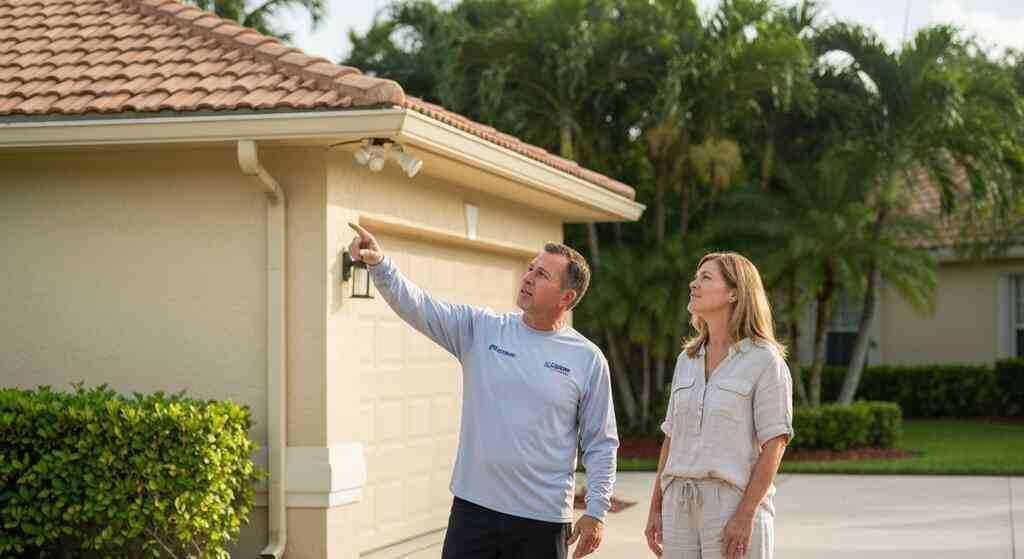
Finding Reliable Roofing Contractors in Coral Springs 2026
Maintaining a roof in South Florida requires a proactive approach due to the intense climate, heavy seasonal rain, and high wind exposure. If you are a homeowner in Coral Springs, understanding how to identify, vet, and work with professional roofing contractors is essential for protecting your property investment in 2026.
The Reality of Protecting Your Roof Under the Florida Sun
Your home’s roof serves as the primary barrier against ultraviolet radiation, tropical storms, and constant humidity. Waiting until a leak appears often leads to more extensive damage, including structural rot that is far more expensive to remediate than routine maintenance. By adopting a proactive strategy, you can catch minor wear before it develops into a major structural failure.
Why Coral Springs Roofing Services Require Local Expertise
When seeking roofing assistance, prioritizing companies with deep roots in the Coral Springs community offers significant advantages. Local contractors possess an inherent understanding of how South Florida’s specific soil types and wind zones influence structural needs. They are intimately familiar with local neighborhood architecture, whether you reside in a classic mid-century home or a contemporary estate.
Local experts also understand which materials offer the best performance in our humid environment. They have established relationships with regional supply houses, which can drastically reduce the time spent waiting for materials. Furthermore, a local contractor is well-versed in navigating municipal building departments and homeowner association regulations, ensuring that your project proceeds without administrative delays. Choosing a firm that values its reputation among your neighbors provides an extra layer of security and accountability.
Impact of Salt Air and Storm Patterns
South Florida’s coastal climate presents unique challenges. Salt-laden air acts as a constant corrosive agent, potentially degrading metal components, fasteners, and tile finishes more rapidly than in inland regions. Additionally, our frequent storm patterns cause significant thermal shock. As heavy rain strikes a roof that has been baking in high heat, the material undergoes rapid expansion and contraction. This cycle weakens the bonding of shingles, frequently leading to curling, cracking, or the loss of protective granules.
To combat these environmental pressures, it is vital to select high-quality materials specifically engineered for the tropics. Beyond the material itself, the installation technique is paramount. Proper fastening patterns—often exceeding standard manufacturer requirements—are critical for preventing wind uplift. Your contractor should be able to explain their methodology for securing your roof against high-speed winds specific to your home's pitch.
Identifying Signs of Roofing Distress
You do not need to be a professional to identify the early warning signs of a failing roof. Regular ground-level inspections can save you thousands of dollars in emergency repairs.
- Interior Indicators: Check your attic for light filtering through gaps in the roof decking or signs of damp, stained insulation.
- Exterior Clues: Look for loose shingle granules collecting near your gutter downspouts. These act as a warning that the protective layer of your shingles is degrading.
- Structural Changes: A visible sag in the roofline is an urgent red flag indicating that the underlying wood decking or rafters may have sustained moisture damage or structural fatigue.
- Surface Damage: Using binoculars from the ground, you can often spot missing shingles, cracked tiles, or damaged chimney flashing.
Conducting a thorough inspection each spring ensures that minor issues are identified before the heavy rains of summer arrive. If you find any of these warning signs, consulting a professional is the most prudent step to prevent interior water damage.
Choosing a Contractor You Can Trust
Navigating the sea of advertising and local flyers can be overwhelming. To find a partner who will treat your home with care, follow a systematic verification process.
Verifying Credentials and Licenses
The most critical step in protecting your property is verifying the contractor’s license through the official Florida Department of Business and Professional Regulation (DBPR) database. Never rely solely on a contractor’s verbal assurances. A valid, active license is your primary protection, as it confirms the professional carries the necessary insurance to shield you from liability should an accident occur on your property.
Be wary of any company that resists providing their license number for verification. This lack of transparency is a significant warning sign. Furthermore, avoid the temptation to select the lowest bidder blindly. High-quality roofing requires skilled labor, appropriate safety equipment, and premium materials. Contractors who cut corners to offer the lowest price often do so at the expense of your roof's longevity and your home's safety.
Building a Relationship of Transparency
Trust is built through clear communication and a verifiable track record of successful local projects. A reliable contractor will be happy to discuss their installation process, provide a clear scope of work, and explain why they recommend specific materials for your home. By focusing on firms that prioritize integrity and quality over quick, low-cost solutions, you ensure that your home remains protected for years to come. Investing time in finding the right professional now is the best way to gain peace of mind for the seasons ahead.
Guide to Finding Roofing Contractors in Coral Springs 2026


Comments
Post a Comment