Smart Landscape Design for Florida Homes: Climate-Ready Tips
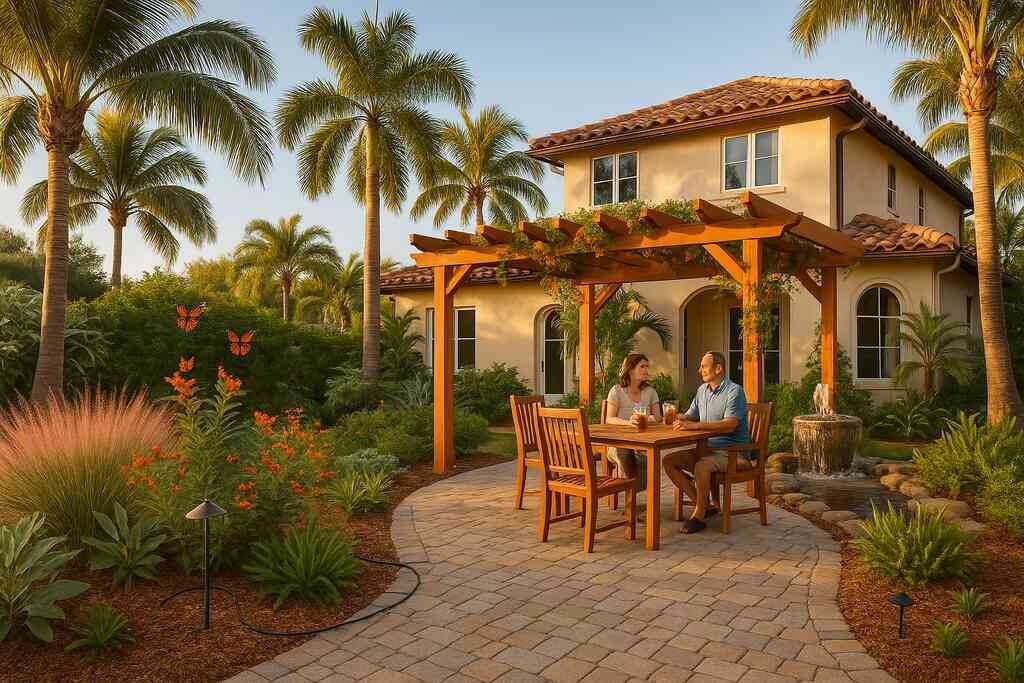
Sunshine-State Landscaping That Works\n\nFlorida offers year-round growing weather, yet the same sunshine, salt, and storms that make the state unique can also punish poorly planned yards. This guide breaks down practical landscape design techniques that contractors and homeowners across the peninsula use to create vibrant, low-maintenance, and storm-resilient outdoor spaces.\n\n## 1. Map the Microclimates Before You Plant\n\nA single Florida lot may hold hot, reflective corners, damp shade pockets, and salty breezeways all at once. Spending one to two weeks observing each zone pays off for years.\n\n- Track temperature, sun exposure, and soil moisture twice daily.\n- Sketch a simple site map noting areas of full sun, partial shade, and deep shade.\n- Mark drainage patterns after a heavy rain; low spots may need swales or rain gardens.\n\nWith that information, you can specify the right plants, mulches, and hardscape materials instead of relying on guesswork.\n\n## 2. Choose Florida Natives for Curb Appeal and Savings\n\nNative species evolved with the region’s alkaline soils, periodic droughts, and coastal winds. They typically need less irrigation, fertilizer, and pest control than tropical imports.\n\n| Landscape Goal | Reliable Native Options |\n|----------------|-------------------------|\n| Evergreen structure | Sabal palmetto, Simpson’s stopper |\n| Year-round color | Firebush, dune sunflower, coontie |\n| Pollinator draw | Scarlet milkweed, beach verbena |\n\nMixing a backbone of natives with a few well-behaved exotics creates variety without increasing maintenance. Keep beds layered—tall shrubs at the rear, knee-high bloomers in the middle, and groundcovers at the edge—to mimic natural plant communities that conserve moisture and shade roots.\n\n## 3. Design for Hurricanes, Not Just Blue-Sky Days\n\nWind, rain, and flying debris test every Florida yard. A few structural choices greatly reduce storm damage.\n\n1. Wind-tolerant canopy trees such as live oak and gumbo-limbo flex rather than snap. Space them so mature crowns do not interlock and create sail-like surfaces.\n2. Stagger palm heights. Plant tall foxtails or royals behind medium palms (e.g., paurotis), then add low palms like dwarf palmetto closer to walks. If a frond breaks, it falls harmlessly into open air instead of shredding a neighbor plant.\n3. Anchor trellises and arbors with concrete footings. During a tropical storm, a loose trellis can turn into a projectile.\n4. Use permeable pavers or gravel strips beside driveways. They allow stormwater to drain quickly, reducing pressure on foundations.\n\n## 4. Build Butterflies Into the Blueprint\n\nA well-planned butterfly garden doubles as a living art installation. Place it where morning sun reaches at least six hours, and wind is filtered by buildings or hedges.\n\n- Host plants (larval food): Milkweed for monarchs, cassia for sulphurs, passionvine for zebra longwings.\n- Nectar plants (adult food): Lantana, pentas, and porterweed supply continual blooms.\n- Water source: A shallow birdbath filled with sand and kept damp encourages puddling.\n- Observation seating: Set a bench downwind; butterflies will face the breeze, putting you in full view of painted wings.\n\nLeave leaf litter where practical—many caterpillars pupate in the duff layer. Avoid broad-spectrum pesticides; spot treat only when absolutely necessary.\n\n## 5. Hardscape Choices That Beat Heat and Salt\n\nFlorida’s sun fades asphalt and scorches bare concrete. Thoughtful material selection keeps outdoor areas cooler and longer-lasting.\n\n- Reflective or light-colored pavers reduce surface temperature at pool decks and patios.\n- Shell or crushed coquina paths reflect light and tolerate salt spray near the coast.\n- Composite decking with UV inhibitors lasts longer than untreated wood in humid air.\n- Reclaimed cypress mulch resists decay and brings a natural look without the heavy metals found in some dyed mulches.\n\n## 6. Irrigation and Soil Management\n\nEven drought-tolerant plants need water to establish. Pair smart watering with soil amendments for best results.\n\n- Install a weather-based controller that adjusts run times after rain.\n- Group plants by water need; separate zones for turf, shrubs, and edible beds prevent overwatering.\n- Blend organic compost into sandy soils to boost moisture retention and nutrient holding.\n- Add slow-release fertilizer only where soil tests show deficiencies.\n\n## 7. Quick Planning Checklist\n\n1. Observe and record microclimates for 14 days.\n2. Draft a base map with sun, shade, and drainage notes.\n3. Select 60–70 % Florida native plants for structure.\n4. Position wind-flexible trees and stagger palm heights.\n5. Include a butterfly zone with host and nectar plants.\n6. Specify permeable or reflective hardscape surfaces.\n7. Set up smart irrigation and test soil before fertilizing.\n\nCompleting these steps in order reduces surprises, controls long-term costs, and produces landscapes that thrive from the Panhandle to the Keys.\n\n## Closing Thought\n\nFlorida’s dynamic climate rewards those who design with, not against, its quirks. By respecting microclimates, choosing resilient natives, and preparing for both drought and deluge, any property can showcase lush, colorful gardens that stand strong through hurricane season and look inviting every other day of the year.
Exploring Landscape Design Techniques in Florida's Homes


Comments
Post a Comment